
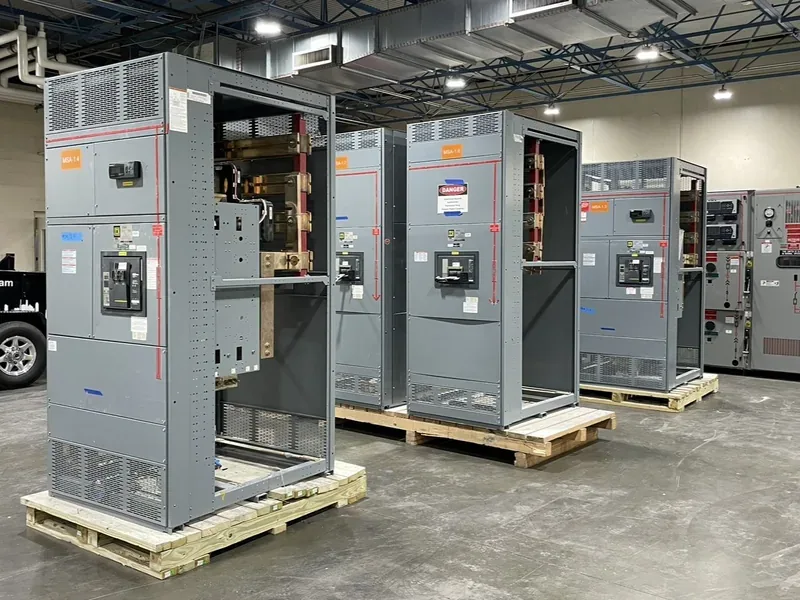
Low-Voltage And Medium-Voltage Equipment We Purchase
Our purchasing operations are centered on industrial and heavy commercial electrical distribution equipment, specifically focusing on low-voltage and medium-voltage systems. We actively acquire medium-voltage metal-clad switchgear built to ANSI C37.20.2 standards, as well as metal-enclosed switchgear conforming to C37.20.3 specifications. Our voltage class requirements span the standard distribution spectrum, including 4.16kV, 5kV, 13.8kV, 15kV, 27kV, and 38kV systems. In the low-voltage category, we purchase 480V and 600V switchboards rated under UL 891, along with standard low-voltage switchgear lineups. Whether you are decommissioning a single section of gear or an entire multi-substation facility, we have the logistical capacity to evaluate, purchase, and remove the equipment directly from your site.
Beyond complete lineups, we purchase standalone components and secondary distribution equipment that hold viable secondary market value. This includes individual drawout breakers, which we frequently buy separate from their original enclosures, as well as fixed-mount breakers, motor control centers (MCCs), and automatic transfer switches. We evaluate all types of interrupter technologies, including legacy air-magnetic breakers, modern vacuum circuit breakers, and SF6 or gas-insulated switchgear (GIS). Paralleling gear and generator control switchboards are also within our primary purchasing scope. By acquiring both the primary switchgear and the associated distribution components, we provide facility managers with a comprehensive solution for their surplus electrical assets.
Unit substations represent a significant portion of the equipment we buy and remove. When we acquire a complete substation, our scope naturally extends to the adjacent electrical equipment required to complete the removal. This means we will take the associated dry-type or liquid-filled transformers, the primary fused switches, and the secondary distribution sections as a packaged project. While our core focus remains on the switchgear itself, we understand that facility engineers need a buyer capable of handling the entire integrated lineup. If your project is located within our ten-state operational footprint—Texas, Florida, New York, Georgia, South Carolina, North Carolina, Virginia, Ohio, Pennsylvania, or Connecticut—our specialized crews will manage the complete extraction of these heavy integrated systems.
Clear Boundaries On What We Do Not Buy Or Handle
While we maintain a broad purchasing scope for industrial electrical equipment, we enforce strict boundaries regarding the types of infrastructure we handle and the specific work our crews perform. We do not purchase residential electrical panels, light commercial load centers, or small-scale distribution boards. Our business model is built entirely around heavy commercial, institutional, and industrial power distribution. Furthermore, we do not purchase utility-owned equipment unless the seller can provide explicit documentation proving they are authorized to liquidate the assets. If the switchgear belongs to the local utility provider rather than the facility owner, we cannot legally take title to the equipment or remove it from the premises.
Safety and regulatory compliance dictate our operational limits, particularly concerning energized environments. We strictly prohibit our crews from performing any energized work or utility switching operations. Before our personnel arrive on site to begin the de-installation and removal process, the equipment must be completely de-energized, locked out, and physically isolated. This critical isolation step must be completed by the facility's own qualified electrical staff, a hired electrical contractor, or the local utility company. We are solely responsible for the mechanical dismantling, rigging, and hauling of the dead equipment, ensuring that the separation from the live power grid is handled by those who manage the facility's active infrastructure.
Environmental hazards and physical access limitations also define what we cannot buy or remove. We do not perform abatement services for asbestos-containing materials or equipment contaminated with polychlorinated biphenyls (PCBs). Any legacy switchgear containing these hazardous substances must be professionally remediated by certified environmental contractors before we can accept it. Additionally, we must be able to physically and legally extract the equipment from its location. If switchgear is permanently entombed within a structure requiring major load-bearing demolition, or if local ordinances prevent the necessary heavy rigging operations, we may have to decline the project. Our purchasing offers are always contingent upon our ability to safely and legally navigate the extraction path.
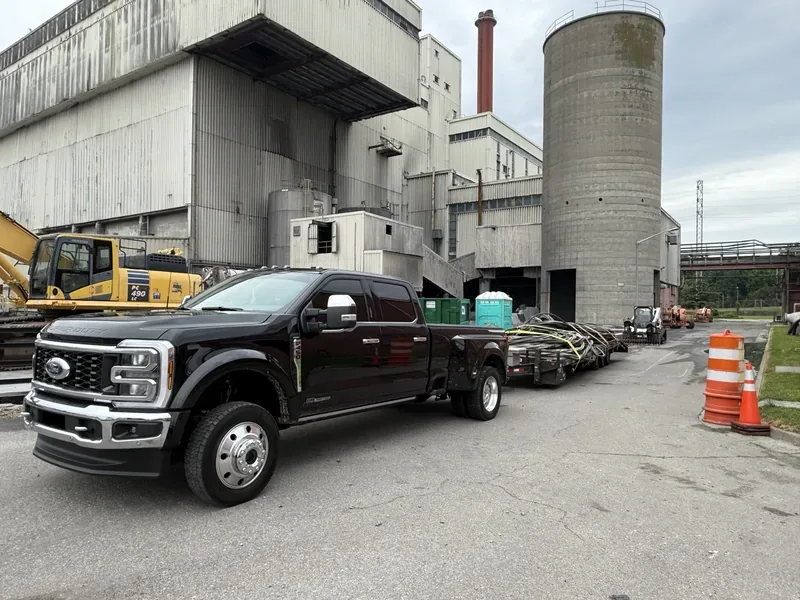
Evaluating Equipment Condition And Scrap Value Realities
Our valuation process is fundamentally different from that of a standard recycling facility. Because we resell switchgear as usable electrical equipment rather than processing it for its raw material weight, we pay more than scrap value for viable assets. When evaluating your surplus gear, we analyze the specific manufacturer, the voltage class, the bus ratings—typically ranging from 800A up to 5000A—and the overall market demand for those specific components. We look for functional NEMA 1 indoor enclosures, weather-resistant NEMA 3R outdoor enclosures, and walk-in aisle configurations that remain structurally sound. Equipment that has been properly maintained, even if it is decades old, often retains significant value in the secondary electrical market.
However, we must be entirely realistic about equipment that has suffered severe physical or environmental degradation. Switchgear that has sustained catastrophic arc-flash damage, equipment that has been submerged in floodwaters, or lineups that have been heavily picked over for parts generally cannot be safely refurbished for future electrical deployment. In these specific scenarios, the equipment has effectively been reduced to its base metal value. Arc-resistant gear built to C37.20.7 standards may contain a fault successfully, but the internal destruction still renders the affected sections unusable. We conduct honest, straightforward assessments of these damaged assets, evaluating whether any internal components, such as uncompromised drawout breakers or copper busbars, can be salvaged.
Transparency is a core principle of our purchasing process, especially when dealing with end-of-life or severely damaged infrastructure. If your equipment falls strictly into the category of pure metal weight, we will communicate that reality directly. In situations where the logistical expenses of deploying our specialized rigging crews, heavy machinery, and flatbed transportation exceed the remaining salvage value of destroyed gear, we will advise you accordingly. We believe in providing facility managers and demolition contractors with accurate assessments, and we will readily tell a seller when utilizing a local scrap yard is their better financial and logistical answer for handling ruined equipment.
Core Equipment Categories We Evaluate
- Medium-voltage metal-clad switchgear (ANSI C37.20.2)
- Low-voltage switchboards (UL 891) and metal-enclosed gear
- Unit substations and associated secondary distribution
- Standalone drawout circuit breakers and cradles
- Motor control centers (MCCs) and bucket sections
- Automatic transfer switches and paralleling switchgear
- Indoor NEMA 1 and outdoor NEMA 3R enclosures
- Vacuum, air-magnetic, and SF6 interrupter mechanisms
Questions sellers ask
Do you buy single circuit breakers or only complete switchgear lineups?
We purchase both complete switchgear lineups and standalone components. While we frequently deploy crews to remove multi-section substations, we also buy individual drawout breakers, motor control center buckets, and loose air-magnetic or vacuum interrupters. If you have a single high-value breaker or a few surplus units, we can evaluate them for purchase and arrange appropriate freight transportation.
Will you remove the transformers and conduit associated with the switchgear?
When we purchase a complete unit substation or switchgear lineup, we typically remove the directly associated dry-type or liquid-filled transformers as part of the project. We will also cut and remove the immediate conduit and cabling necessary to free the equipment from its installed location. However, we do not perform facility-wide wire pulling or general electrical demolition beyond the footprint of the gear we are purchasing.
What happens if our switchgear contains asbestos or PCBs?
We do not perform asbestos abatement or handle the remediation of polychlorinated biphenyls (PCBs). If your facility's older equipment contains these hazardous materials, they must be properly abated and certified clean by a licensed environmental contractor before our crews can begin the removal process. We require documentation that the equipment is free of these specific hazards prior to taking ownership.
Ready to move it out?
To help us evaluate your equipment, please send clear photos of the nameplates showing the manufacturer, type, voltage class, and bus rating. We also need a wide-angle photo of the full lineup and images detailing the room's access constraints. You can reach our purchasing team at (954) 740-1983 or email your information directly to electricalequipmentbuyers@gmail.com so we can review your surplus gear and provide an upfront purchase offer before our trucks arrive.