
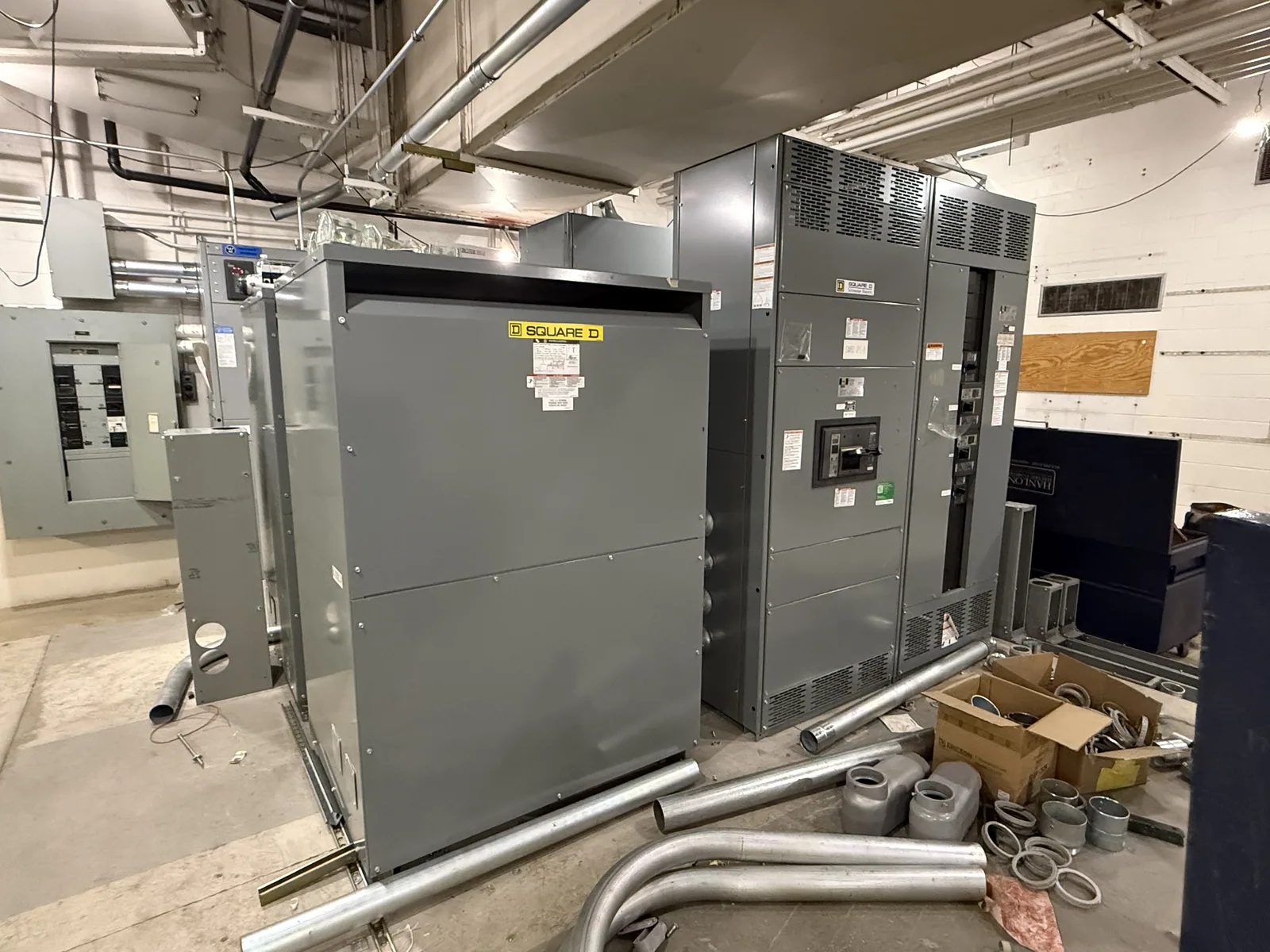
Establishing The Safety Boundary For Switchgear Lockout Tagout Removal
The seller's responsibility ends and ours begins at the point of complete electrical isolation. Before our extraction crews arrive on site, the facility owner or their designated electrical contractor must perform all necessary switching to de-energize the equipment. This includes opening the main breakers, racking out drawout circuit breakers if applicable, and ensuring that all primary and secondary power sources are completely disconnected. We do not perform energized work under any circumstances, nor do we operate utility-owned equipment to achieve isolation. The safety of your facility and our personnel relies on a definitive handoff where the gear is proven dead.
The lockout tagout process must be comprehensive and verifiable. Your qualified electricians must apply their locks and tags to all upstream disconnects, including utility feeds, generator ties, and any alternate sources that could potentially back-feed the lineup. Once the locks are in place, the absence of voltage must be verified using properly rated test instruments. This verification step is critical for safe switchgear removal, as it confirms that the isolation procedures were successful and that no residual voltage remains on the busbars or incoming line terminals. We require written confirmation that these steps have been completed before we mobilize our heavy rigging teams to your site.
Beyond primary voltage, the isolation process must account for control power and stored mechanical energy. Modern metal-clad and metal-enclosed switchgear often relies on 125V DC battery banks or 120V AC control power for breaker operation and protective relaying. These secondary circuits must be disconnected and locked out. Furthermore, large vacuum or SF6 circuit breakers contain powerful closing springs that store significant mechanical energy. These springs must be discharged, and any capacitors within the system must be properly grounded and drained. Only when all electrical and mechanical energy sources are neutralized can the equipment be considered truly safe for our crews to dismantle and remove.
Controlling Hazards During Safe Switchgear Removal
The extraction of industrial electrical equipment involves managing severe hazards that are inherent to the environment. Arc flash and electrical shock are the most immediate risks during the isolation phase, which is why we mandate that your qualified personnel handle the initial de-energization while wearing appropriate personal protective equipment. By establishing a strict policy against energized work, we eliminate the risk of an arc flash event occurring during the physical dismantling process. Our crews are trained to treat every piece of equipment as if it were live until they have personally verified the lockout tagout status and confirmed the absence of voltage alongside your facility representatives.
Once the electrical hazards are neutralized, the focus shifts to mechanical and rigging risks. Switchgear lineups, particularly 15kV and 38kV metal-clad sections, are exceptionally heavy and often top-heavy. When our crews cut the floor anchors and begin separating the shipping splits, the center of gravity can shift unexpectedly. We utilize specialized jacks, skates, and lifting equipment designed specifically for moving heavy electrical apparatus without compromising stability. Our rigging plans account for the specific construction type of your gear, whether it is a NEMA 1 indoor switchboard or a massive NEMA 3R outdoor walk-in enclosure, ensuring that each section is supported and controlled throughout the extraction path.
Another critical hazard involves unexpected back-feeds from complex facility distribution systems. In large industrial plants or data centers, switchgear is often connected to multiple power sources, including uninterruptible power supplies, emergency standby generators, and tie breakers to adjacent substations. A failure to isolate just one of these sources can result in lethal voltage appearing on the busbars during dismantling. This is why our pre-mobilization requirements include a thorough review of your single-line diagrams and a joint walk-down of the lockout tagout points. We must be absolutely certain that every potential path for electrical energy has been physically interrupted and secured before our extraction work begins.
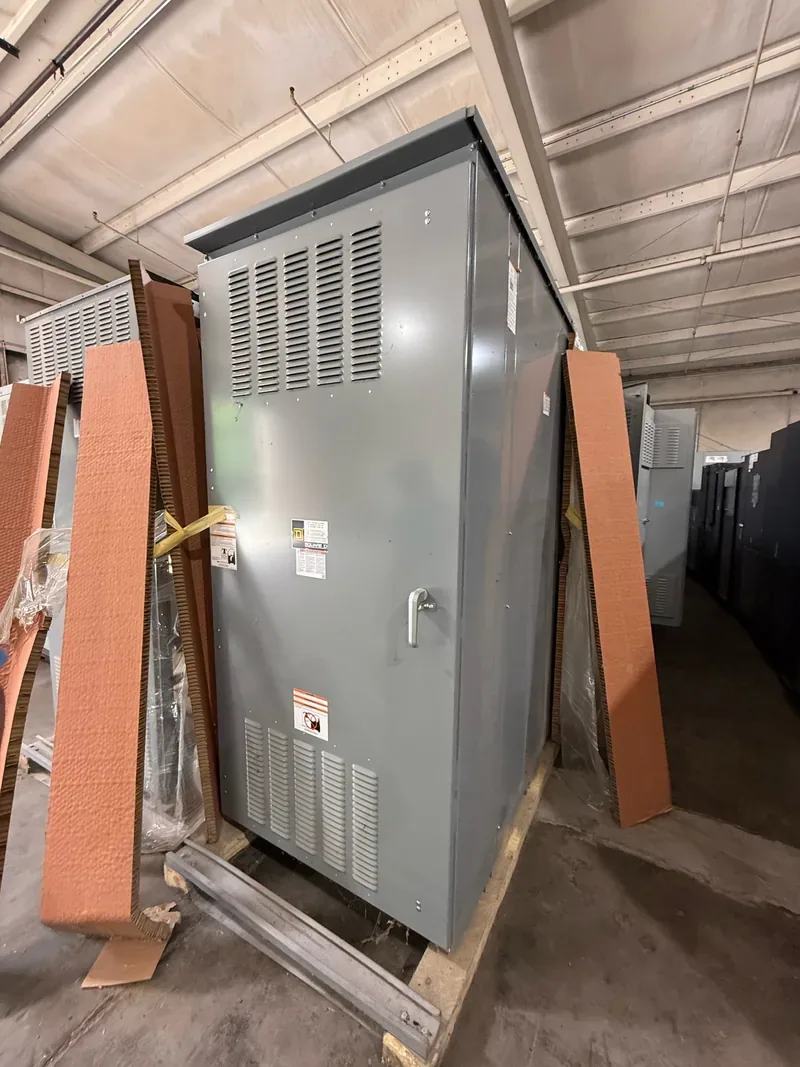
Pre-Mobilization Requirements And The Handoff Process
To ensure a seamless and safe switchgear removal project, we require specific documentation and site conditions to be met before our trucks are dispatched. First, we need written confirmation from your facility manager or electrical contractor stating that the equipment has been completely de-energized, isolated, and locked out according to OSHA standards. This documentation serves as the formal handoff, transferring the physical control of the equipment to our extraction team while maintaining the established safety boundaries. We also require confirmation that any hazardous materials, such as asbestos in older building structures or specific abatement needs, have been handled by certified professionals, as our crews do not perform environmental abatement.
The physical condition of the site at the time of handoff is equally important. The switchgear room must be clear of debris, and the egress path must be unobstructed to allow for the safe movement of heavy sections. If the equipment is located in a basement, on a mezzanine, or in a tight electrical vault, we need to know the exact dimensions of the doorways, hallways, and freight elevators. Our crews arrive fully equipped with the necessary tools to unbolt bus splices, disconnect control wiring at the shipping splits, and prepare the sections for transport. However, the efficiency of this process depends heavily on having clear access to the equipment and a verified safe working environment from the moment we step on site.
By strictly adhering to these safety boundaries and pre-mobilization requirements, we protect both your facility operations and our personnel. This disciplined approach allows us to efficiently purchase and remove your surplus electrical equipment, paying top dollar for reusable assets rather than treating them as scrap. Whether we are extracting a single 480V drawout breaker lineup in Texas or a complete 13.8kV unit substation in New York, our commitment to safe, de-energized removal remains constant across our entire ten-state service area. We handle the heavy lifting and logistical challenges, provided the fundamental electrical isolation has been expertly completed by your team.
Essential Steps For Switchgear Lockout Tagout Removal
- Open and rack out all primary circuit breakers
- Disconnect and isolate all utility feeds and generator ties
- Lock and tag all upstream disconnect switches
- Verify the absence of voltage on all busbars and terminals
- Disconnect 125V DC and 120V AC control power sources
- Discharge all mechanical energy in breaker closing springs
- Ground and drain any capacitors within the lineup
- Provide written confirmation of complete de-energization
- Ensure clear access paths for heavy rigging equipment
Related seller guides
Removal service
Extracting heavy electrical infrastructure requires precise coordination and specialized rigging. We execute the physi…
Removal cost
Facility managers and demolition contractors frequently ask about the cost to remove switchgear when clearing an elect…
Decommissioning
A formal switchgear decommissioning project requires precise planning, clear documentation, and coordinated execution.…
Questions sellers ask
Can your crews de-energize the switchgear for us?
No, we do not perform energized work or operate utility equipment. The facility owner, their designated electrical contractor, or the local utility must perform all switching, isolation, and lockout tagout procedures before our extraction team arrives.
What happens if the equipment cannot be completely isolated?
We cannot begin the physical removal process until the equipment is proven dead and all energy sources are neutralized. If complete isolation is not possible due to facility constraints, you must resolve the issue with your electrical contractor before we can safely mobilize our rigging crews.
Do you handle the removal of hazardous materials around the switchgear?
We do not perform environmental abatement or handle hazardous materials like asbestos. The site must be cleared of any such hazards by certified abatement professionals before our team can safely access and remove the electrical equipment.
Ready to move it out?
To receive an upfront offer for your surplus equipment, please send us clear photos of the nameplate showing the manufacturer, type, voltage class, and bus rating, along with a wide shot of the full lineup and details about the room's access constraints. You can reach our purchasing team directly at (954) 740-1983 or email your equipment details to electricalequipmentbuyers@gmail.com to discuss your safe switchgear removal project.