
The Role And Value Of Medium-Voltage Fused Switches
Medium-voltage load-interrupter switchgear is engineered around a manually or stored-energy operated load-break switch paired with current-limiting or expulsion power fuses. Unlike metal-clad switchgear that relies on complex and expensive power circuit breakers, this equipment offers a more economical footprint for primary service entrances, transformer primary protection, and feeder sectionalizing. Facility engineers and electrical contractors frequently encounter these lineups in industrial plants, university campuses, and commercial complexes where reliable switching and fault protection are required without the heavy capital expense of breaker-based systems. The design is inherently simpler, relying on the mechanical switch to handle normal load currents and the fuses to interrupt severe short-circuit faults. Because these units are integral to medium-voltage distribution networks across various industries, they retain significant value on the secondary market when properly maintained and documented.
When evaluating load-interrupter switchgear for purchase, the primary value resides in the core operating components rather than just the metal enclosure. The interrupter switch mechanism itself, whether it utilizes a simple manual operating handle or a more complex stored-energy mechanism for faster operation, is a critical component that buyers seek for replacements. Additionally, the fuse mountings, the specific fuse units, the internal copper or aluminum bus structure, and any integrated key interlock hardware contribute heavily to the overall appraisal. Even if an entire lineup is not reused in its original configuration, these internal components are highly sought after by facilities needing to maintain or expand their existing electrical infrastructure without ordering brand-new factory parts.
The resale market for load-interrupter switchgear is steady but noticeably narrower than the market for drawout breaker gear. Demand is primarily driven by utilities, electrical cooperatives, and large institutional campuses that already operate specific product lines and require matching sections or spare parts to support their aging infrastructure. Because these buyers need exact matches for their existing equipment to maintain safety and operational consistency, the manufacturer, voltage class, and specific fuse ratings dictate whether a lineup is resold as usable electrical equipment or downgraded to its base metal value. We pay more than scrap value because we actively supply this specialized secondary market with the exact matching components they require, bridging the gap between your surplus assets and the facilities that desperately need them.
How We Purchase And Remove Load-Interrupter Lineups
We operate as a direct buyer of used and surplus electrical equipment, meaning we purchase your load-interrupter switchgear outright, take full title to the assets, and pay the seller upfront before our trucks ever leave your facility. We are not a broker looking to flip your equipment to a third party while you wait for payment, nor are we a scrap yard that only values the copper and steel weight of the enclosures. By purchasing directly, we streamline the asset recovery process for plant managers, facility engineers, and demolition contractors who need to clear space quickly and efficiently. Our focus is entirely on repurposing usable electrical equipment for the secondary market, which allows us to offer highly competitive compensation for your retired medium-voltage gear based on its actual functional value.
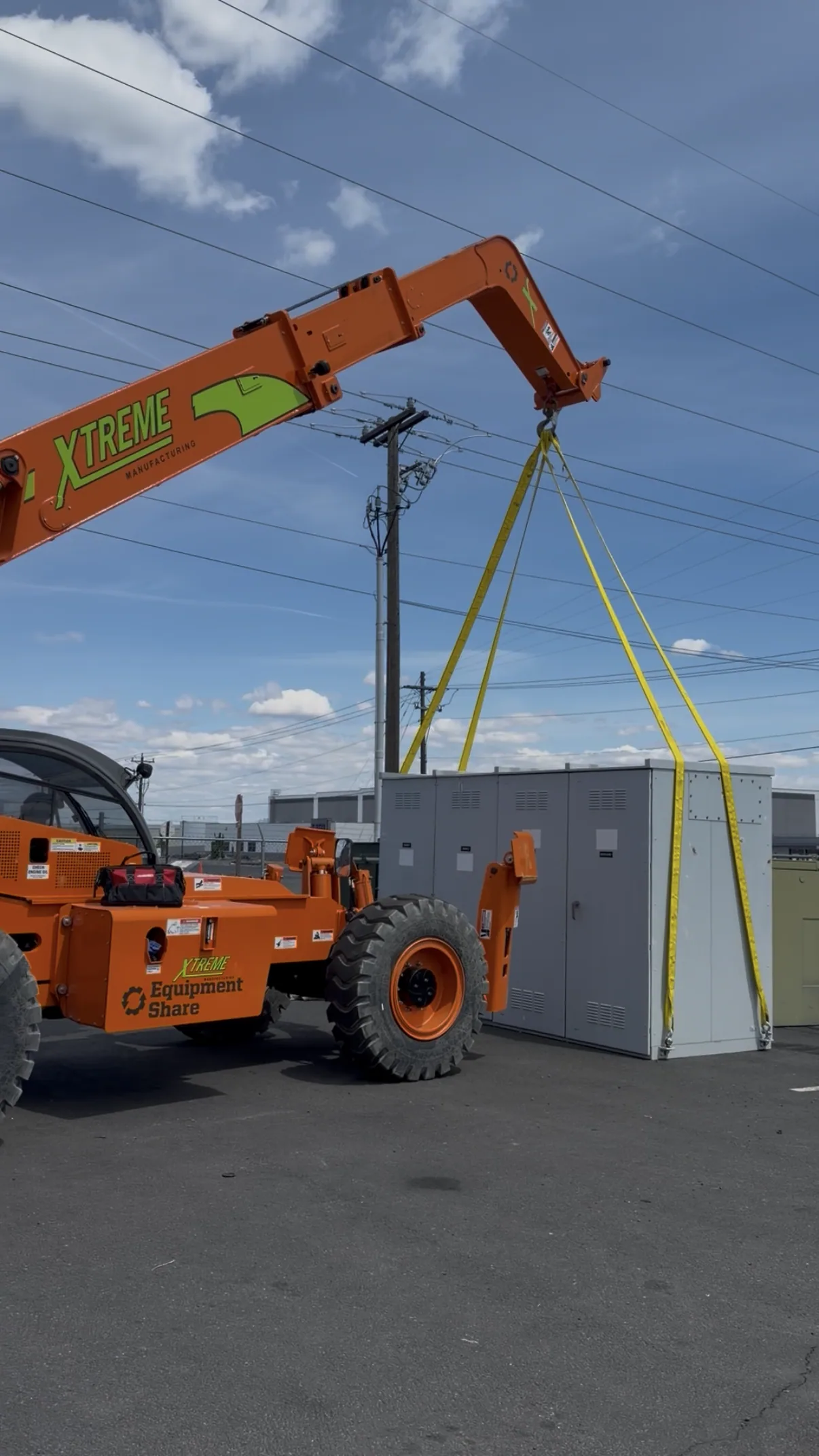
Removing medium-voltage switchgear requires careful planning, specialized knowledge, and heavy lifting, which is why we deploy our own dedicated crews to handle the de-installation and hauling. Once your facility's electrician or the local utility has completely de-energized and isolated the equipment, our team arrives with the necessary rigging gear, material handling equipment, and transport vehicles to safely extract the lineup. We manage the entire logistical operation, from unbolting the individual sections and securing the internal switch mechanisms to loading the heavy enclosures onto our flatbeds. This turnkey removal service eliminates the need for you to hire separate rigging contractors, rent specialized lifting equipment, or coordinate complex freight arrangements, saving your project both time and capital.
Safety and operational compliance dictate strict boundaries for our removal operations at every job site. Our crews do not perform energized work, utility switching, or any form of hazardous material abatement, including asbestos or PCB removal. The load-interrupter switchgear must be verified as dead, locked out, and tagged out by your authorized personnel before our team begins the extraction process. We require clear communication regarding the status of the electrical feed to ensure that no residual power remains in the system. By adhering to these strict safety protocols, we ensure a smooth, incident-free removal that keeps your demolition or facility upgrade project on schedule while protecting both your staff and our specialized rigging crews from electrical hazards.
Evaluating Your Surplus Switchgear For Sale
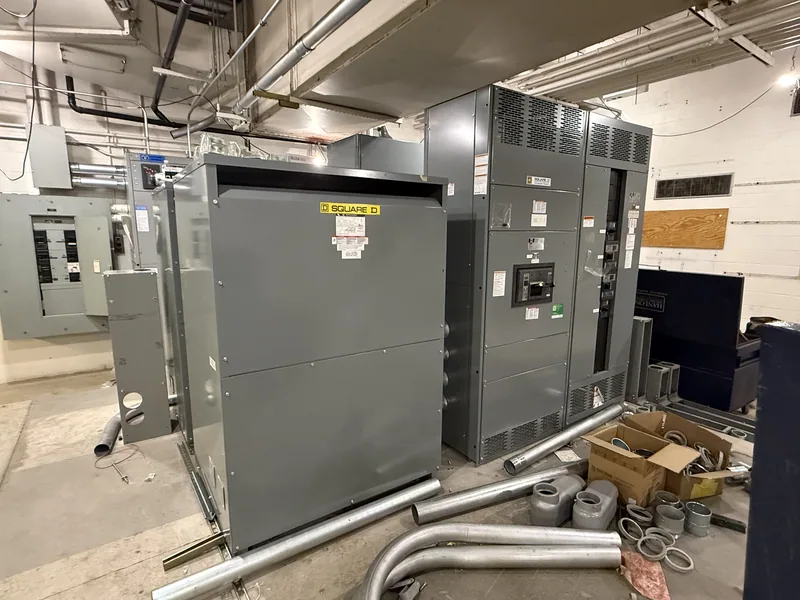
The appraisal of your retired load-interrupter switchgear depends heavily on the specific technical ratings and the physical condition of the internal components. Buyers in the secondary market are typically looking for specific voltage classes, continuous current ratings, and interrupting capacities to match their existing substations or distribution loops. The type of power fuses utilized—whether current-limiting fuses that restrict the peak fault current or expulsion fuses that vent gases during operation—also plays a significant role in determining the equipment's marketability. Lineups that have been stored indoors in climate-controlled electrical rooms generally retain much higher value than outdoor enclosures that have suffered from weather degradation, rust, or internal condensation, as moisture can severely compromise the insulation and mechanical linkages.
To provide an accurate valuation for your equipment, we require clear and comprehensive information straight from the gear itself. The most critical piece of data is the master nameplate, which details the original manufacturer, the specific type or model family, the maximum voltage class, and the main bus rating. Beyond the nameplate, understanding the configuration of the switch mechanisms and the exact specifications of the fuse mountings allows us to determine if the unit can be resold as a complete section or if its value lies in harvesting the internal parts. Accurate details upfront prevent surprises during the appraisal process and ensure that our purchase offer reflects the true secondary market value of your equipment, allowing you to make informed decisions about your surplus assets.
Our purchasing and removal operations are focused exclusively on facilities located within our ten-state service area, which includes Texas, Florida, New York, Georgia, South Carolina, North Carolina, Virginia, Ohio, Pennsylvania, and Connecticut. When evaluating a potential purchase in these regions, we also need to assess the logistical realities of the electrical room or substation where the gear is currently housed. Understanding the access constraints, such as narrow hallways, freight elevator weight limits, low ceiling clearances, or uneven loading docks, allows our project managers to dispatch the correct rigging equipment and personnel. This comprehensive approach ensures that we can honor our upfront payment commitment and execute the removal without unexpected delays, providing a seamless transition from surplus equipment to recovered capital.
Key Specifications And Inspection Points For Fused Switches
- Manufacturer and specific model family
- Maximum voltage class and continuous current rating
- Type of switch operating mechanism (manual or stored-energy)
- Power fuse type (current-limiting or expulsion)
- Fuse clip ratings and physical barrel sizes
- Main bus material and bracing specifications
- Presence of key interlock systems
- Condition of the arc chutes and interrupter blades
- Enclosure type (indoor NEMA 1 or outdoor NEMA 3R)
Other switchgear we buy
Metal-clad
Compartmentalised drawout gear with grounded barriers and automatic shutters. The most resellable medium-voltage category.
Metal-enclosed
Fixed-mounted interrupter switches and power fuses. Common as utility service entrance and primary distribution gear.
Low-voltage
Drawout air-frame power breakers. The breakers themselves usually carry most of the value in the lineup.
Questions sellers ask
Do you buy load-interrupter switchgear that has blown fuses or damaged switches?
Yes, we evaluate equipment in various conditions. Even if a specific switch mechanism is damaged or fuses are missing, the remaining components like the bus structure, intact fuse mountings, and undamaged switch sections often retain significant value. We appraise the lineup based on the usable parts we can recover for the secondary market.
Who is responsible for disconnecting the medium-voltage cables before removal?
Your facility's licensed electrician or the local utility must handle all disconnections. We require the equipment to be completely de-energized, isolated, and locked out before our crews arrive on site. Our team specializes strictly in the mechanical rigging, de-installation, and hauling of the dead equipment.
How do you determine if my switchgear is worth more than scrap metal?
We assess the manufacturer, voltage class, and specific configuration against current demand from utilities and industrial facilities. If your equipment matches the needs of buyers looking for replacement sections or spare parts, we pay a premium based on its usability. Equipment that is obsolete or severely degraded may only hold metal value, but we will always provide an honest assessment.
Ready to move it out?
To sell your surplus load-interrupter switchgear, please send us clear photos of the master nameplate showing the manufacturer, type, voltage class, and bus rating, along with a wide photo of the full lineup. We also need a brief description of the room's access constraints so we can plan the rigging and removal. Contact us at (954) 740-1983 or email your photos directly to electricalequipmentbuyers@gmail.com to receive a prompt evaluation and purchase offer.