
The Costly Mistake of Bundling Switchgear With Demolition
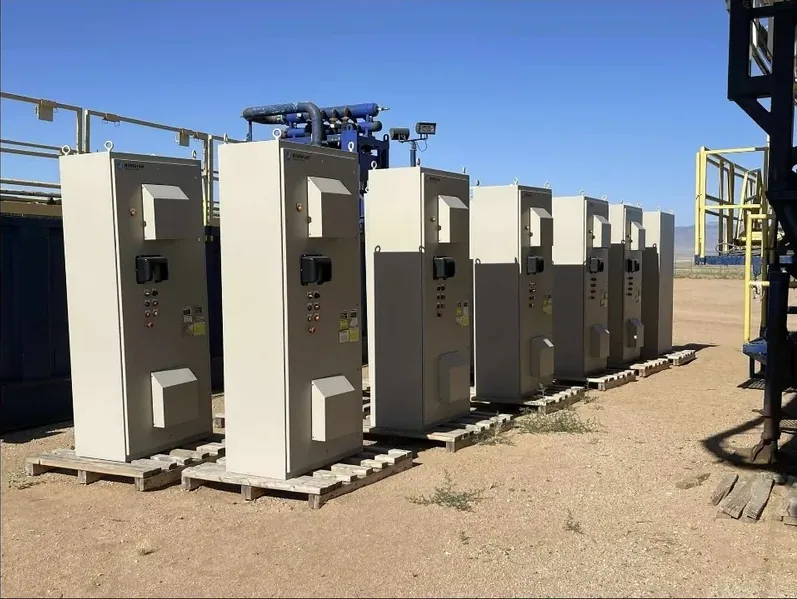
When a manufacturing facility or industrial plant permanently closes, facility managers often face immense pressure to clear the building by a hard lease surrender date. In the rush to meet these demanding deadlines, a common and highly costly error is allowing the entire electrical distribution system to fall under the general demolition contractor's scope of work. Demolition firms typically view 15kV metal-clad switchgear, 480V unit substations, and heavy busway systems merely as heavy scrap metal. They price the removal based strictly on the commodity weight of copper, aluminum, and steel, completely ignoring the substantial secondary market value of the internal components, vacuum interrupters, and intact enclosures. This approach destroys capital that could otherwise be recovered to offset the significant costs associated with a facility shutdown.
By separating the electrical assets from the general demolition package, plant owners and corporate liquidation teams can recover significantly more capital. We pay more than scrap value because we purchase the equipment to be reused as functional electrical infrastructure, not melted down in a furnace. The correct order of operations is to inventory the electrical assets early in the closure planning phase, secure a valuation based on the equipment's actual secondary market worth, and schedule the extraction before the demolition crews take control of the site. This sequence ensures that valuable assets like drawout circuit breakers, motor control centers, and arc-resistant switchgear are carefully rigged out by professionals rather than destroyed by excavators and shears.
Executing this extraction requires precise timing and coordination to avoid delaying the overall decommissioning schedule. Our crews specialize in the systematic de-installation and removal of heavy electrical equipment, working efficiently within the tight logistical windows typical of permanent plant closures. We operate across Texas, Florida, New York, Georgia, South Carolina, North Carolina, Virginia, Ohio, Pennsylvania, and Connecticut, providing upfront payment and professional removal services that align perfectly with your facility's final decommissioning timeline. By engaging a direct buyer early in the process, you secure a higher return on your electrical assets while ensuring the physical removal is handled by experienced personnel who understand the complexities of industrial switchgear.
Managing Temporary Power and Phased De-Energization
One of the most complex logistical challenges during a permanent plant closure is managing the inherent conflict between removing the main electrical distribution equipment and maintaining essential building services. Even as heavy production lines are dismantled and the factory floor is cleared, the facility still requires lighting, life safety systems, fire pumps, and temporary power for the various contractors working inside the building. You cannot simply shut off the main utility feed and remove the primary 4.16kV or 13.8kV switchgear on day one of the project. Instead, the extraction must be carefully phased to keep critical circuits energized while safely isolating the specific sections slated for removal and asset recovery.
A phased approach typically involves the facility's electrical contractor or the local utility isolating specific lineups, such as secondary 600V switchboards or motor control centers that previously fed the now-idle production floor. Once these sections are verifiably de-energized, locked out, and tagged out according to strict safety protocols, our crews can safely dismantle and remove them. We do not perform energized work or utility switching, so this close coordination with your site electricians is absolutely essential. By removing the distribution equipment in planned stages, the facility maintains the necessary power for ongoing decommissioning work without delaying the asset recovery process or creating unsafe working conditions for the demolition teams.
Certain critical infrastructure often must remain energized until the absolute final days of the closure process. Fire suppression systems, security monitoring networks, and minimal egress lighting are usually legally required by local codes to stay active until the building is officially handed over to the landlord or slated for immediate structural demolition. In these specific cases, we coordinate our final extraction phase to align precisely with the ultimate utility disconnect. This ensures that the high-value main incoming switchgear or primary unit substations are recovered at the very end of the project, maximizing your financial return without compromising site safety, security, or regulatory compliance during the final weeks of the closure process.
Navigating Closure Paperwork and Asset Disposition
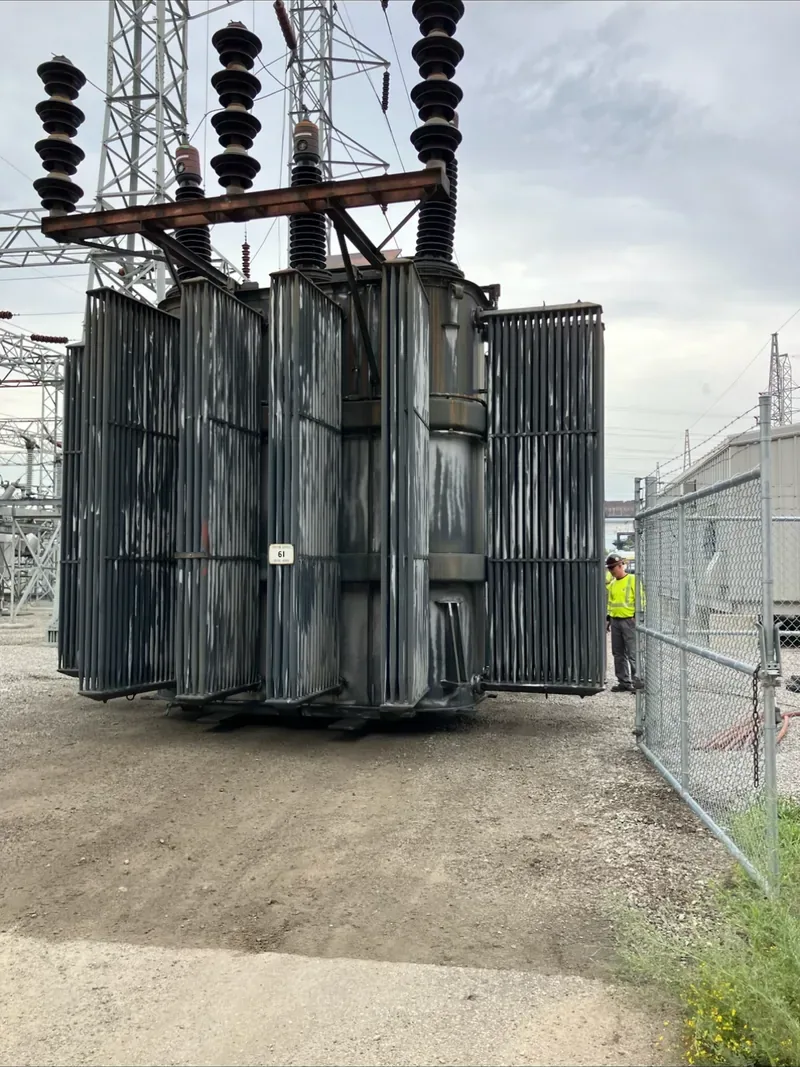
A permanent plant closure generates a massive administrative burden, particularly regarding the accounting, tax, and legal implications of disposing of major capital assets. Corporate finance departments require precise, accurate documentation to properly write off the equipment, adjust depreciation schedules, and definitively close out the facility's financial books. When you sell your electrical switchgear to us, we provide clear, detailed bills of sale that explicitly list the manufacturer, type, voltage class, and bus rating of the equipment purchased. This rigorous documentation serves as the definitive asset disposition record, proving to auditors and stakeholders that the equipment was sold for a fair value rather than simply abandoned, lost, or scrapped for pennies on the dollar.
In addition to internal financial records, facility managers must often provide concrete proof of removal to satisfy strict lease surrender obligations or environmental compliance audits. Commercial landlords typically require the industrial building to be returned in a specific, pre-defined condition, which may mandate the complete removal of all tenant-installed electrical infrastructure, including heavy NEMA 3R outdoor enclosures, walk-in aisle switchgear, or custom unit substations. We supply the necessary paperwork, including weight tickets and detailed removal manifests, to demonstrate that the equipment was properly extracted and transported off-site. This documentation helps ensure that you meet your hard exit dates without facing severe financial penalties or legal disputes from property owners.
Clear, professional documentation also protects the seller from future liability and administrative headaches. Because we take title to the equipment and pay upfront before the truck ever leaves your loading dock, the transfer of ownership is absolute, clean, and immediate. You are not waiting on uncertain consignment sales, dealing with brokers who merely facilitate a transaction without taking responsibility, or wondering when the funds will clear. Our direct purchase model provides both the financial certainty and the rigorous paper trail required by corporate accounting teams during a complex facility shutdown, allowing your management team to focus their energy on the broader logistical and operational challenges of the closure.
Essential Steps for Switchgear Recovery During a Closure
- Inventory all primary and secondary electrical distribution equipment
- Separate the electrical extraction from the general demolition contract
- Identify circuits required for temporary power and life safety
- Schedule utility disconnects and isolation with your site electrician
- Verify all target equipment is completely de-energized and locked out
- Secure asset disposition records and detailed bills of sale
- Coordinate rigging paths and loading dock access for removal crews
- Execute final extraction of main switchgear prior to building handover
Other seller situations
Facility upgrade
Upgrading your electrical distribution system requires precise coordination to keep your facility running. We purchase…
Demolition contractors
The electrical infrastructure inside a building slated for demolition holds significant value beyond its base metal we…
Electrical contractors
Electrical contractors often accumulate surplus switchgear from cancelled projects, change orders, and strategic over-…
Questions sellers ask
Can you remove the switchgear while the building still has power?
Yes, provided the specific equipment we are purchasing has been completely de-energized and isolated by your electrician. We frequently work in facilities where temporary power, lighting, and life safety systems remain active on separate circuits. We do not perform any energized work, so strict lockout/tagout procedures must be completed before our crews begin dismantling the switchgear.
What documentation do you provide for our corporate accounting department?
We provide a comprehensive bill of sale that details the specific equipment purchased, including the manufacturer, voltage class, and bus rating. This serves as your official asset disposition record for tax and accounting purposes. We also provide upfront payment before the equipment leaves your facility, ensuring a clean and immediate transfer of title.
Do you handle the removal of transformers containing PCBs?
No, we do not perform any hazardous material abatement, including the handling of PCBs or asbestos. Any equipment containing these materials must be properly remediated and certified clean by a licensed environmental contractor before we can purchase and remove it. Our focus is strictly on the recovery of safe, usable electrical infrastructure.
Ready to move it out?
To begin the valuation process for your facility's electrical equipment, please send us clear photos of the switchgear nameplates showing the manufacturer, type, voltage class, and bus rating. Include wide-angle photos of the entire lineup and any notes regarding loading dock access or rigging constraints in the electrical room. You can reach our purchasing team directly at (954) 740-1983 or email your photos and project timeline to electricalequipmentbuyers@gmail.com.