
Managing Oversized Infrastructure and Sequencing
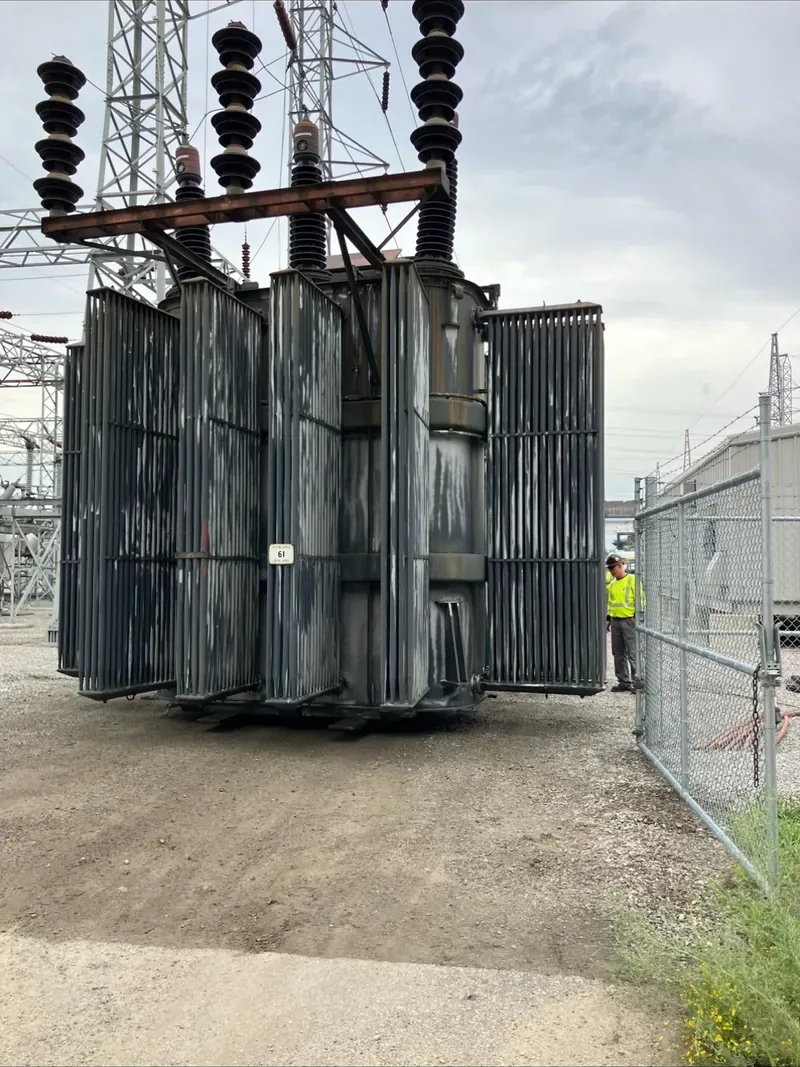
When converting a heavy manufacturing facility into a mixed-use development or modern office space, the legacy electrical infrastructure is rarely suitable for the new tenant profile. A former factory might be equipped with a 13.8kV primary service and a 4000A bus designed to run heavy machinery, whereas the incoming residential or light commercial units require only a fraction of that capacity. Leaving this massive metal-clad switchgear in place consumes valuable square footage and complicates the new architectural layout, often occupying prime real estate that could be converted into leasable space. Asset managers and developers recognize that this oversized equipment holds significant residual value on the secondary market. We purchase these high-capacity unit substations and drawout breaker lineups directly, ensuring that the redundant infrastructure is monetized rather than treated as a costly demolition expense.
The critical challenge in these repositioning projects is sequencing the electrical decommissioning without halting the broader construction schedule. Redevelopment requires reliable temporary power for contractors, site lighting, and heavy tools, meaning the entire facility cannot simply be disconnected from the utility at once. Project managers must carefully coordinate which circuits remain live to support the renovation phase and which sections of the main distribution board can be isolated and removed. We work closely with your electrical contractor to align our extraction timeline with your phasing plan. Once your electrician or the local utility has completely de-energized and isolated the targeted switchgear, our crews mobilize to dismantle and remove the heavy assets without disrupting the active temporary power feeds that keep your job site running.
Establishing clear ownership of the electrical assets is another vital step before removal can begin, particularly when a property changes hands mid-project. In many commercial real estate transactions, the existing switchgear may be encumbered by previous lease agreements, utility ownership clauses, or complex purchase contracts that dictate what fixtures remain with the building. Developers must verify that they hold clear title to the NEMA 1 indoor switchboards and medium-voltage transformers before scheduling a removal. Once ownership is confirmed and the equipment is legally cleared for sale, we take title to the assets and issue payment upfront. This direct transaction model eliminates the uncertainty of consignment and provides immediate capital that can be redirected into the redevelopment budget.
Navigating Undocumented Equipment and Hidden Assets
Older industrial buildings and historic commercial properties are notorious for lacking accurate electrical documentation. Decades of ad-hoc upgrades, tenant improvements, and emergency repairs often leave behind a tangled web of abandoned and unlabelled gear. Single-line diagrams are frequently missing, outdated, or entirely inaccurate, making it difficult for developers to assess exactly what infrastructure is present. During the initial demolition phase, contractors routinely uncover forgotten motor control centers or secondary switchboards hidden behind newly constructed partition walls or buried in neglected basement vaults. This undocumented equipment poses a significant logistical hurdle, as it must be properly identified and safely isolated before the main redevelopment work can proceed without risking an unexpected outage or safety incident.
When these hidden assets are discovered, they require careful evaluation to determine their specifications and secondary market viability. An unlabelled metal-enclosed switchgear lineup might contain highly sought-after vacuum interrupters or specialized arc-resistant components that retain substantial value despite being walled off for years. Because we specialize in industrial electrical equipment, our team can help identify the manufacturer, voltage class, and bus rating of these undocumented units based on physical inspections and nameplate data. We evaluate the newly discovered 5kV or 15kV gear and provide a firm purchase offer, turning an unexpected demolition obstacle into an unbudgeted revenue stream for the property owner. Identifying these assets accurately ensures you receive top dollar for equipment that might otherwise be discarded.
The presence of undocumented electrical infrastructure also demands strict adherence to safety and isolation protocols. Because the operational history and current status of hidden switchgear are unknown, facility engineers must treat every discovered panel and breaker as potentially energized until proven otherwise. Your licensed electricians must trace the feeds, coordinate with the utility if necessary, and physically disconnect the equipment from all power sources. We strictly require that all switchgear be fully de-energized, locked out, and isolated before our removal crews arrive on site. By maintaining this rigid boundary of responsibility, we ensure that the extraction of surprise electrical assets is conducted safely and in full compliance with your site's risk management policies, protecting both our personnel and your contractors.
Overcoming Complex Access Constraints in Older Buildings
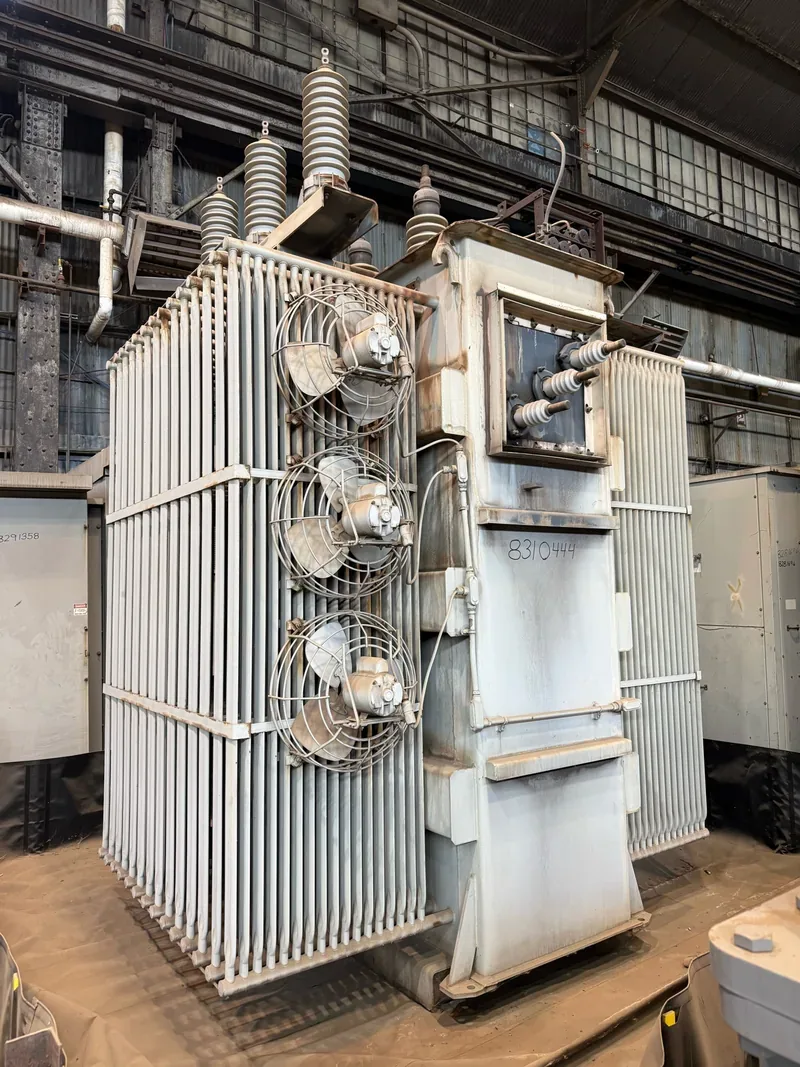
Removing heavy electrical infrastructure from legacy buildings presents severe logistical challenges that standard demolition crews are rarely equipped to handle. Many early twentieth-century commercial buildings and multi-story urban factories were constructed around their electrical systems, with massive unit substations installed before the exterior walls were even finished. Today, these properties often lack modern loading docks, freight elevators with adequate weight capacities, or clear egress routes wide enough to accommodate a standard forklift. Navigating a 38kV switchgear lineup through narrow corridors, down reinforced stairwells, or out of a sub-basement requires specialized rigging knowledge, meticulous spatial planning, and a deep understanding of the equipment's structural integrity.
Our dedicated removal crews are highly experienced in dismantling complex electrical assemblies within the tight confines of older structures. When a building lacks a loading dock or ground-level access, we systematically break down the switchgear into manageable sections right where it sits. Drawout breakers are removed from their cubicles, heavy copper busbars are carefully unbolted, and the large steel enclosures are separated to allow for safe transport through standard doorways and passenger corridors. This methodical de-installation process ensures that the equipment is extracted without causing structural damage to the building or disrupting the ongoing architectural restoration. We provide this specialized extraction service across our operating footprint, which includes Texas, Florida, New York, Georgia, South Carolina, North Carolina, Virginia, Ohio, Pennsylvania, and Connecticut.
The physical extraction must also be coordinated with the broader site logistics, particularly in dense urban environments where exterior staging space is severely limited. Redevelopment sites often have strict municipal regulations regarding street closures, crane placements, and heavy truck idling, leaving very little room for error during the load-out phase. We manage the precise timing of our freight arrivals to align with your approved loading windows, ensuring that the dismantled switchgear is immediately loaded onto our transport vehicles and removed from the property. By handling the entire physical removal process internally, we relieve the general contractor of the burden of moving multi-ton electrical assets, allowing your team to remain focused on the core construction and repositioning objectives.
Critical Steps for Switchgear Removal During Redevelopment
- Verify ownership of the electrical assets before the property transaction closes
- locate and update all existing single-line diagrams and facility drawings
- identify the specific voltage classes and bus ratings of the redundant equipment
- determine which circuits must remain live for temporary construction power
- hire a licensed electrician to completely de-energize and isolate the targeted switchgear
- document any hidden or abandoned equipment discovered during early demolition
- assess the egress routes, elevator capacities, and loading dock availability
- schedule the extraction to align with the broader construction phasing plan
Other seller situations
Plant closure
A permanent facility shutdown requires careful coordination of asset disposition, temporary power, and final demolitio…
Facility upgrade
Upgrading your electrical distribution system requires precise coordination to keep your facility running. We purchase…
Demolition contractors
The electrical infrastructure inside a building slated for demolition holds significant value beyond its base metal we…
Questions sellers ask
What happens if we discover additional switchgear hidden behind walls during demolition?
It is very common to uncover undocumented electrical equipment during the redevelopment of older industrial properties. When you find hidden switchboards or motor control centers, simply pause work in that immediate area and have your electrician verify that the equipment is fully de-energized. Once it is safe, send us photos of the newly discovered assets, including any visible nameplates. We will evaluate the equipment, provide a purchase offer, and arrange to remove it alongside the rest of your surplus infrastructure.
How do you remove heavy unit substations from a building with no loading dock?
Our crews specialize in extracting heavy electrical infrastructure from complex urban environments and historic buildings. If your facility lacks a loading dock or freight elevator, we systematically dismantle the switchgear in place. We remove the individual drawout breakers, unbolt the busbars, and separate the enclosures into smaller sections that can be safely navigated through standard corridors and stairwells. We handle all the necessary rigging and internal logistics to get the equipment out of your building safely.
Can you disconnect the switchgear from the utility feed before removing it?
No, we do not perform any energized work or utility switching. Before our crews can begin the dismantling and removal process, the equipment must be completely de-energized, locked out, and physically isolated from all power sources. This disconnection must be performed by your licensed electrical contractor or the local utility company. Once the gear is confirmed dead and safe to handle, our team will take over the physical extraction.
Ready to move it out?
To receive a purchase offer for the surplus electrical infrastructure at your redevelopment site, please send us clear photos of the equipment nameplates showing the manufacturer, type, voltage class, and bus rating. We also need wide-angle photos of the entire switchgear lineup and a brief description of the room's access constraints, such as the presence of stairs or the lack of a loading dock. You can email these details directly to electricalequipmentbuyers@gmail.com or call us at (954) 740-1983 to discuss your project timeline. We pay upfront for your equipment and handle the complete physical removal.