
Rethinking the Search for Switchgear Buyers Near Me
The instinct to find a local purchaser for surplus or retired electrical infrastructure is understandable, but it often leads to suboptimal financial and operational outcomes. When a plant manager, facility engineer, or demolition contractor looks for the closest available option, the nearest facility is almost always a standard scrap metal recycler. While a local scrap yard might be highly convenient for disposing of generic metal waste or construction debris, they evaluate complex electrical assemblies strictly by their raw material weight. They fundamentally lack the technical capacity to assess the operational value of a 15kV metal-clad lineup or a 4000A drawout switchboard, meaning the seller receives only a small fraction of the equipment's actual market worth. We operate entirely differently by purchasing switchgear for its intended use as viable electrical equipment, allowing us to pay significantly more than scrap value for well-maintained assets.
For heavy industrial assets, the geographical distance between the seller's facility and the buyer's warehouse is arguably the least important variable in the entire transaction. What truly matters is whether the equipment is located within our established operational footprint and whether it retains viable resale value in the secondary electrical market. We deploy our own specialized crews to de-install, rig, and haul the equipment, assuming full responsibility for the complex logistics involved in heavy extraction. Because we cover the freight and rigging expenses entirely, the distance traveled by our trucks is strictly our cost, not a financial burden placed on the seller. This logistical independence means that as long as the project falls within our service area, the physical miles between our operations and your facility are completely irrelevant to the seller's bottom line.
Our direct purchasing operations are focused exclusively on facilities located in Texas, Florida, New York, Georgia, South Carolina, North Carolina, Virginia, Ohio, Pennsylvania, and Connecticut. Within these ten states, we function strictly as the direct buyer, taking full title to the equipment and ensuring the seller is paid upfront before our trucks ever leave the loading dock. By removing the middleman and avoiding complicated broker arrangements, we streamline the acquisition process and eliminate unnecessary delays. The priority for a facility manager shifts from finding a buyer who happens to be located in the same county to partnering with a professional buyer who has the capital to purchase the gear outright and the heavy rigging expertise to remove it safely and efficiently.
The Critical Role of Facility Access and Rigging Logistics
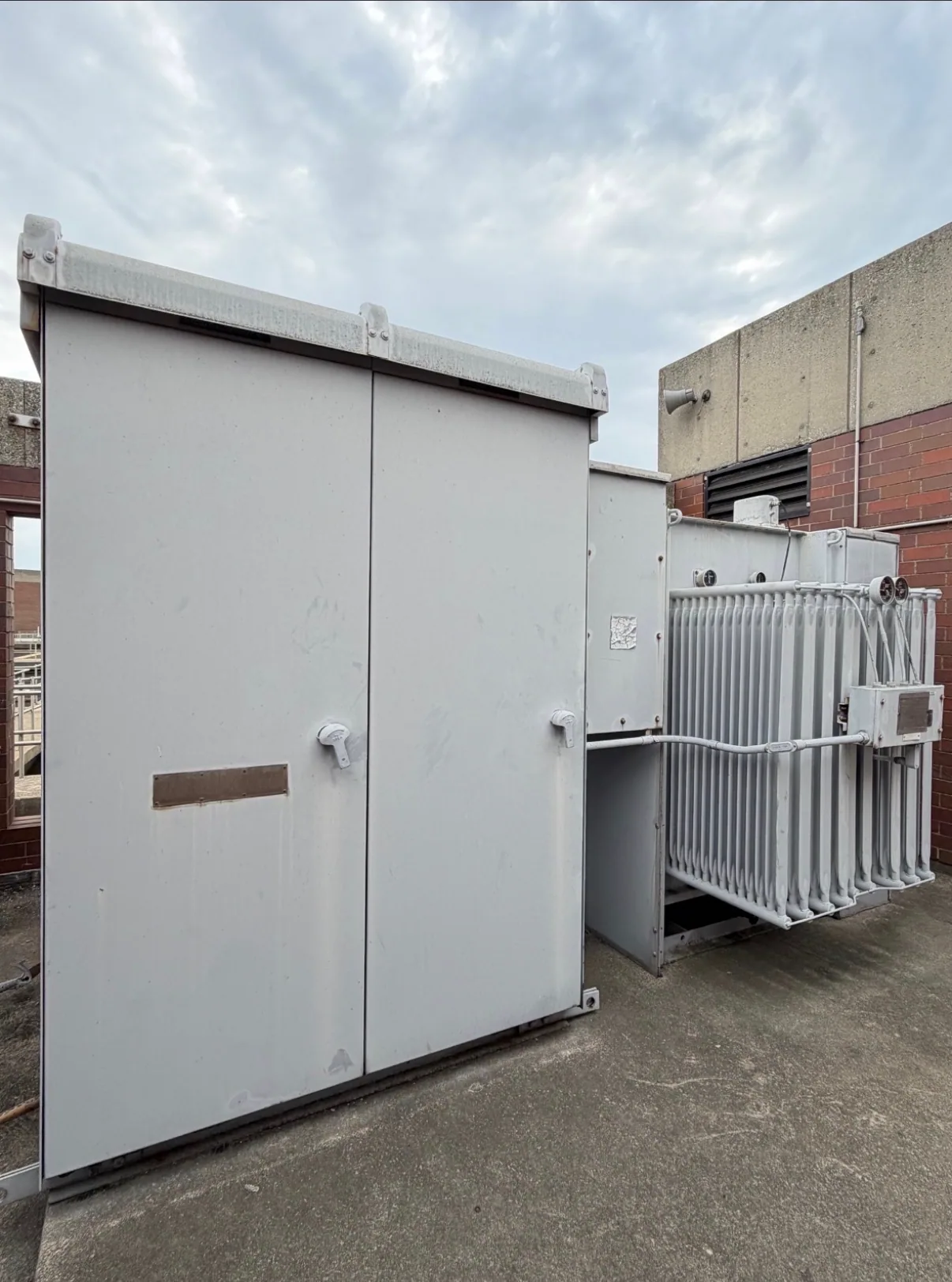
Rather than worrying about the buyer's geographic location, facility engineers must carefully evaluate the physical access constraints of the electrical room where the switchgear currently sits. The feasibility of any removal project hinges entirely on whether a flatbed truck, crane, or heavy-duty telehandler can physically reach the equipment. A 5kV motor control center or a multi-section unit substation represents thousands of pounds of concentrated weight that cannot be moved casually. If the lineup is situated on a ground-level concrete pad with clear overhead access and wide double doors, the extraction process is relatively straightforward. However, if the gear is located in a sub-basement, on an upper mechanical floor, or in a landlocked utility closet deep within a manufacturing plant, the complexity of the extraction increases exponentially and requires meticulous planning.
The specific dimensions of the egress route are very often the deciding factor in a successful de-installation and removal project. Our rigging crews must precisely measure the width and height of every doorway, corridor, and freight elevator against the dimensions of the individual switchgear cubicles. A standard NEMA 1 indoor enclosure might require partial disassembly to navigate tight corners or narrow hallways, while a NEMA 3R outdoor walk-in aisle configuration presents entirely different rigging challenges involving weatherproofing and crane lifts. We need to know definitively if there is a dedicated loading dock, a ground-level overhead door, or if the architectural layout of the building requires knocking out a masonry wall to create a temporary extraction path. Stairs, narrow hallways, and low ceilings all dictate the specific heavy rigging equipment and specialized personnel required for the job.
Because we handle the entire removal process from start to finish, understanding these critical access variables upfront allows us to engineer a safe, compliant, and efficient extraction plan. We strictly require the equipment to be completely de-energized and physically isolated by the facility's own electrician or the local utility before our personnel arrive on site, as we do not perform energized work under any circumstances. Once the system is confirmed dead and locked out, our crews execute the mechanical separation, carefully unbolting the bus splice plates, disconnecting the control wiring, and separating the heavy shipping splits. The logistical planning required to move a 3000A main-tie-main switchboard out of a complex industrial environment is substantial, which is exactly why detailed access information is far more critical than the geographical proximity of the buyer.
Evaluating the Equipment for Resale Value
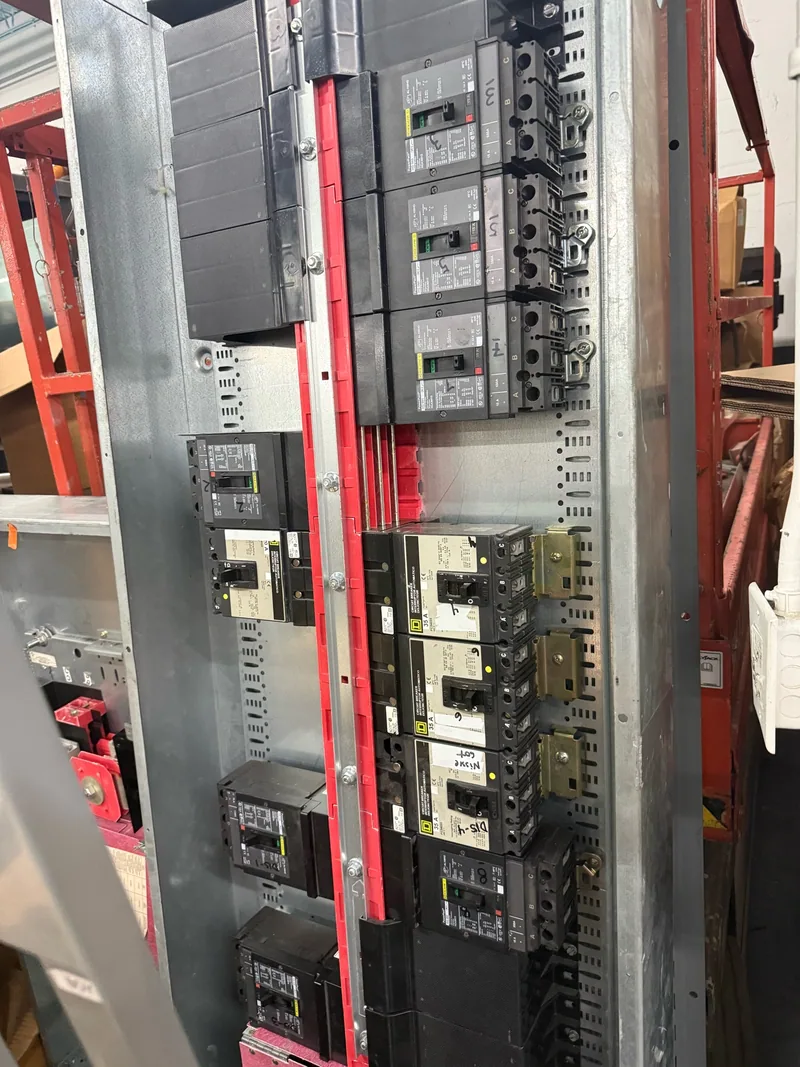
The final component that completely overrides the need for a local buyer is the inherent secondary market value of the switchgear itself. We evaluate surplus and retired equipment based on its specific manufacturer, voltage class, continuous current rating, and interrupter technology. A modern vacuum circuit breaker lineup from industry-leading manufacturers like Square D, Eaton, or Siemens holds significant value for industrial facilities looking to expand their infrastructure or replace aging components without waiting for factory lead times. Even older air-magnetic breakers from legacy brands such as Allis-Chalmers, ITE, or Westinghouse can be highly sought after for matching existing lineups or providing critical spare parts to keep older plants operational. The specific technical characteristics of the gear ultimately determine its viability for resale and the amount we can offer.
When assessing a potential purchase, our technical team looks closely at the construction type and the overall condition of the internal components. Metal-enclosed interrupter switchgear and arc-resistant metal-clad assemblies serve very different industrial applications and carry vastly different valuations in the secondary market. The presence of drawout breakers versus fixed-mount configurations also heavily impacts the equipment's desirability and ease of maintenance for the next end-user. A facility manager looking to liquidate a complete 13.8kV substation will find that a specialized buyer who understands the technical specifications of the transformer and the secondary distribution section will offer a significantly higher financial return than a local scrap dealer who only sees the raw copper and steel weight.
Ultimately, the search for a switchgear buyer should focus entirely on technical competence, logistical capability, and financial capacity rather than geographic convenience. By prioritizing the equipment's specific electrical specifications and the facility's physical access conditions, sellers can maximize their financial return on retired electrical assets. We provide a seamless, professional transaction by combining accurate technical valuation with expert, in-house removal services. When the equipment is located anywhere within our ten-state footprint, the logistical burden is entirely ours, allowing the facility to clear valuable floor space and monetize their surplus infrastructure without the complications of managing heavy freight, hiring third-party riggers, or settling for bottom-tier scrap metal pricing.
Key Access Details Required for Switchgear Removal
- Location of the equipment (ground level, basement, upper floor, or roof)
- Presence and dimensions of loading docks or ground-level overhead doors
- Width and height of all doorways and corridors in the egress path
- Availability of freight elevators and their maximum weight capacities
- Clearances for heavy machinery like cranes, forklifts, or telehandlers
- Need for architectural modifications such as removing walls or windows
- Presence of stairs, ramps, or uneven terrain along the removal route
- Confirmation that the equipment will be de-energized and isolated prior to arrival
Related seller guides
Electrical switchgear buyers
Facility managers and demolition contractors often struggle to distinguish between genuine electrical switchgear buyer…
Where to sell switchgear
Facility managers and demolition contractors replacing electrical infrastructure eventually face the question of where…
Removal cost
Facility managers and demolition contractors frequently ask about the cost to remove switchgear when clearing an elect…
Questions sellers ask
Does the distance between my facility and your warehouse affect the purchase offer?
The physical distance is not a factor as long as your facility is located within our ten-state service area. We cover all freight, rigging, and transportation expenses associated with the removal. Because distance is entirely our cost, it does not reduce the amount we pay for your equipment.
Why shouldn't I just sell my retired switchgear to a local scrap yard?
A local scrap yard evaluates electrical equipment based solely on its raw metal weight, ignoring its functional value. We purchase switchgear to resell it as usable electrical infrastructure, which allows us to pay significantly more than scrap value. Furthermore, scrap yards typically lack the specialized heavy rigging expertise required to safely extract complex electrical assemblies.
What information do you need to plan the removal of my equipment?
We need detailed information about the physical access to the electrical room, including door dimensions, dock availability, and any obstacles like stairs or narrow corridors. We also require clear photographs of the equipment nameplates to verify the manufacturer, voltage class, and bus rating. Finally, we must have confirmation that your electrician or utility will de-energize and isolate the gear before our crews begin work.
Ready to move it out?
To initiate the valuation and removal process, please send us clear photographs of the equipment's nameplates showing the manufacturer, type, voltage class, and bus rating, along with wide-angle photos of the entire lineup. Include a detailed description of the room's access constraints, noting any stairs, narrow doors, or dock availability. You can reach our purchasing team directly at (954) 740-1983 or email your project details to electricalequipmentbuyers@gmail.com to receive an upfront purchase offer.