
What Separates Real Electrical Switchgear Buyers From Scrap Brokers
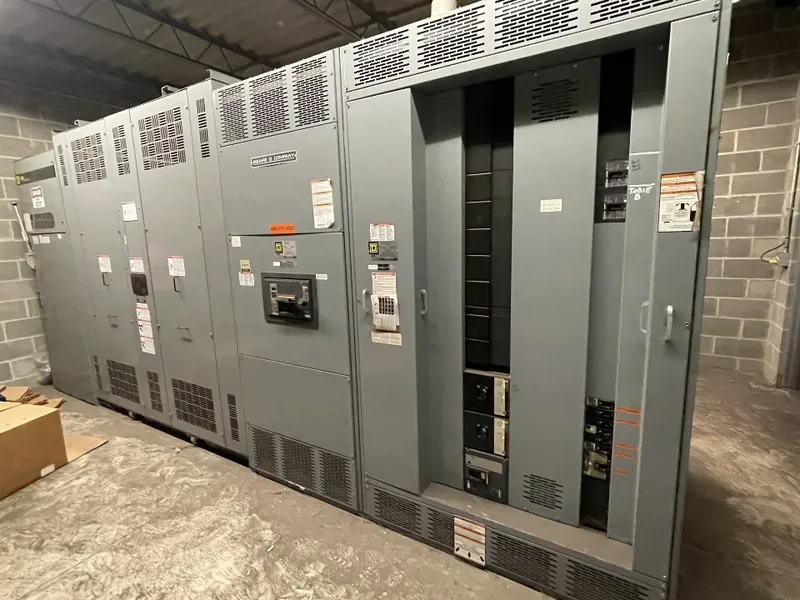
The industrial secondary market is heavily populated with entities claiming to purchase surplus electrical equipment, but a significant operational and financial distinction exists between a direct electrical switchgear buyer and a standard scrap metal broker. A genuine buyer evaluates your retired or surplus lineups based on their viability for refurbishment, testing, and redeployment in other active industrial facilities. Brokers and scrap yards, conversely, view your highly engineered equipment merely as raw commodity weight—calculating the melt value of the copper busbars, steel enclosures, and aluminum structural components. Because we purchase switchgear to resell it as functional electrical infrastructure, we consistently pay more than scrap value. We understand the complex engineering behind a 15kV metal-clad lineup or a 4000A low-voltage switchboard, allowing us to accurately assess its true market worth based on industry demand rather than just its base material breakdown. This fundamental difference in valuation methodology directly translates to a higher return on investment for your facility's retired assets.
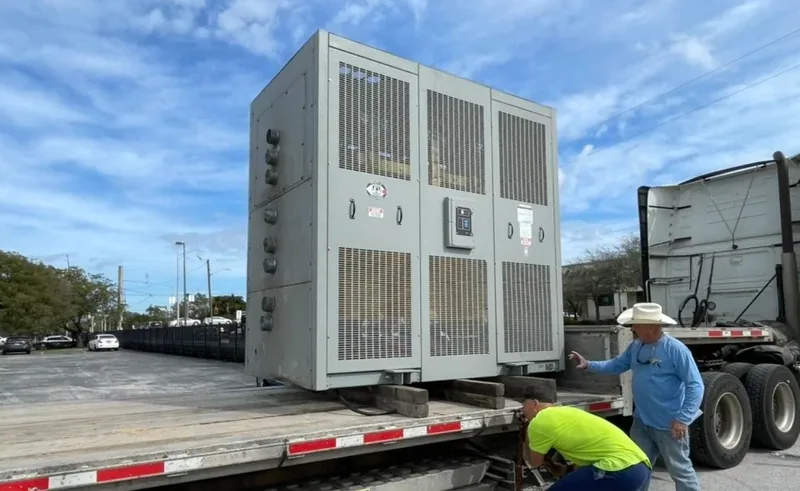
Another critical differentiator is the operational capability and logistical infrastructure of the buyer. Many self-proclaimed buyers are simply intermediaries or paper contractors who secure a purchase agreement and then attempt to flip the equipment to a real buyer, or they lack the specialized rigging crews required to safely extract heavy electrical infrastructure. As direct industrial switchgear buyers, we operate entirely in-house. We take legal title to the equipment, deploy our own trained rigging crews to your facility, and manage the entire de-installation and removal process from start to finish. This direct-handler approach eliminates the liability, delays, and logistical friction of dealing with third-party contractors who may not understand the complexities of navigating a tight plant electrical room or safely extracting a multi-section drawout lineup without causing damage to the surrounding facility.
Furthermore, a professional buyer operates with absolute financial transparency and immediate capital deployment. When facility managers deal with intermediaries, payment is often contingent on the broker's ability to secure an end-user, leading to extended waiting periods and uncertain transactions. We operate with our own capital, meaning we pay upfront before our transport trucks ever leave your loading dock. We provide a written, itemized offer that clearly outlines the valuation of your specific assets, detailing the worth of the main breaker, the individual feeder cubicles, and the associated protective relaying. This direct-purchase model provides facility engineers and demolition contractors with a predictable, secure, and highly efficient avenue for asset recovery, completely bypassing the uncertainty and delays inherent in the secondary broker market.
Evaluating Lineups: Resale Value Versus Base Metal Weight
When assessing a surplus lineup, the first determining factors are the manufacturer and the specific vintage of the equipment. Industrial facilities rely heavily on supported infrastructure, meaning that current or recently obsolete lines from major manufacturers like Square D, Eaton, GE, Siemens, and ABB hold significant secondary market value. If a lineup utilizes drawout breakers that are still actively sought after for plant expansions or emergency replacements, the entire structure becomes highly desirable. Conversely, extremely antiquated systems where replacement parts are entirely unavailable may only retain value in their raw materials. The availability of compatible vacuum or air-magnetic interrupters, as well as the demand for specific solid-state trip units, heavily influences whether a complete metal-enclosed lineup is destined for a second life in a manufacturing plant or sent to the recycling facility.
The physical condition and operating environment of the equipment represent the second major valuation metric for any serious buyer. A NEMA 1 indoor switchboard that has spent its entire operational life in a climate-controlled, dry plant electrical room will command a premium because its insulation, bus supports, and mechanical linkages are likely in pristine condition. In stark contrast, a NEMA 3R outdoor walk-in enclosure that has suffered from severe water intrusion, failed space heaters, extensive rust, or rodent damage may have severely compromised dielectric integrity. While we purchase equipment in a wide variety of conditions, severe environmental degradation can shift the valuation from functional electrical apparatus down to its base copper and steel components. Clean, well-maintained gear that has been subjected to regular preventative maintenance always yields the highest financial return for the seller.
Completeness and electrical specifications form the final two pillars of our comprehensive evaluation process. A lineup is significantly more valuable when it is fully intact—meaning the drawout breakers are still seated in their respective cubicles, the protective relaying and metering remain unstripped, and the original factory drawings or one-line diagrams are available for review. Missing breakers or scavenged control wiring drastically reduces the plug-and-play viability of the unit, requiring extensive remanufacturing. Finally, the voltage class and continuous bus rating dictate the broader market demand. Standard industrial configurations, such as 480V low-voltage systems with 3000A or 4000A main bus ratings, or medium-voltage 4.16kV and 13.8kV metal-clad switchgear, are in constant demand for facility upgrades and emergency disaster recovery, driving up their acquisition value significantly compared to obscure or highly specialized configurations.
How Our Direct Purchase and Removal Operations Work
Our operational model is built entirely on direct acquisition and turnkey removal, designed specifically to minimize downtime and disruption for plant managers and demolition contractors. Once we evaluate your equipment and agree on a valuation based on the four key factors, we present a formal, written itemized offer. This document details exactly what we are purchasing, breaking down the value of the main switchgear sections, the associated feeder breakers, and any unit substations or transition sections involved. There is no ambiguity regarding what is included in the transaction, providing a clear audit trail for your facility's asset disposition records. Upon your acceptance of the offer, we execute the purchase agreement and take full legal title to the equipment, transferring the asset ownership and associated liability directly to our company before any physical work begins on your site.
The physical extraction of heavy electrical infrastructure requires specialized knowledge and strict safety protocols, which is why we never outsource this critical phase to unknown third parties. We dispatch our own dedicated rigging and removal crews directly to your site. These teams are highly experienced in handling the immense weight and awkward dimensions of multi-section switchgear, utilizing the correct machinery skates, hydraulic jacks, and lifting apparatus to safely navigate your facility's corridors and loading areas. We strictly require that all equipment be completely de-energized, locked out, and physically isolated by your facility's licensed electrician or the local utility prior to our arrival, as we absolutely do not perform energized work. Once the system is verified dead, our crews efficiently dismantle the shipping splits, secure the heavy drawout elements, and load the sections onto our specialized transport trailers.
Financial execution is the final, and often most critical, step for our industrial clients. Because we are the direct end buyer and not a broker waiting on a secondary transaction to fund the deal, our capital is deployed immediately upon the successful loading of the equipment. We ensure that you are paid upfront, in full, before our trucks ever depart your facility. This eliminates the extended waiting periods, net-30 terms, and financial risks typically associated with surplus asset liquidation. By combining accurate technical valuation, professional in-house rigging capabilities, and immediate upfront payment, we provide a seamless, highly profitable exit strategy for your retired electrical infrastructure across our entire ten-state service area.
Key Components Detailed in Our Itemized Offers
- Main breaker specifications and trip unit types
- Feeder breaker counts and frame sizes
- Voltage class and continuous bus amperage ratings
- Enclosure type and physical dimensions
- Included protective relays and metering equipment
- Presence of original factory drawings and one-lines
- Associated unit substation transformers
- Transition sections and bus duct connections
Related seller guides
Switchgear buyers near me
When facility managers search for a local buyer for retired electrical equipment, they often default to the nearest sc…
Who buys used switchgear
Facility managers and demolition contractors looking to offload retired electrical infrastructure often wonder who act…
By voltage class
The voltage class printed on your equipment nameplate is the single most critical factor in determining its resale mar…
Questions sellers ask
Do you buy both indoor and outdoor switchgear lineups?
Yes, we purchase both NEMA 1 indoor and NEMA 3R outdoor switchgear configurations. The value will depend heavily on the condition of the enclosure and the internal components. Outdoor units that have remained weather-tight and free of severe rust or water intrusion retain excellent resale value. We evaluate the specific environment the gear was subjected to during our initial assessment.
Will your crew disconnect the switchgear from our live power grid?
No, we strictly do not perform any energized work. Before our removal crews arrive, the equipment must be completely de-energized, locked out, and physically isolated from the power source. This disconnection must be performed by your facility's licensed electrician or the local utility company to ensure a completely safe working environment for our riggers.
How quickly can you remove the equipment once an agreement is reached?
Because we utilize our own in-house rigging crews and transportation, we can schedule removals very quickly to meet your project deadlines. Once the itemized offer is accepted and the equipment is verified as de-energized, we coordinate directly with your facility manager to dispatch our team. We operate efficiently across our ten-state footprint, including Texas, Florida, New York, and Pennsylvania, to ensure your space is cleared on time.
Ready to move it out?
To receive a written, itemized offer for your surplus equipment, please send us clear photos of the master nameplate showing the manufacturer, type, voltage class, and bus rating. Include wide-angle photos of the full lineup, ensure you note any missing components, and describe the electrical room's access constraints, such as loading dock availability or tight corridors. You can reach our purchasing team directly at (954) 740-1983 or email your equipment details to electricalequipmentbuyers@gmail.com to start the evaluation process.