
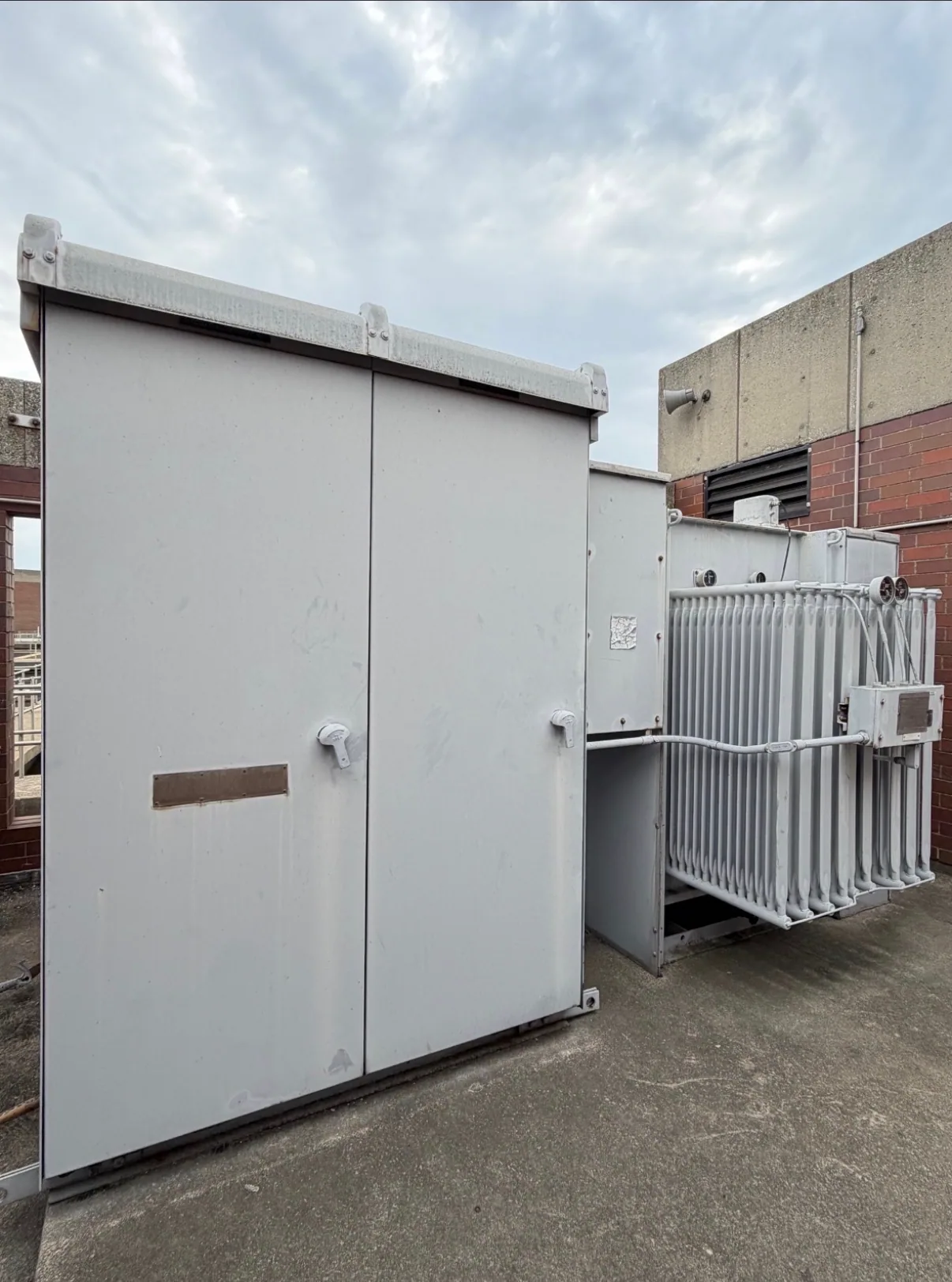
Profiling the Six Types of Switchgear Buyers
When evaluating who buys used electrical switchgear, facility owners and demolition contractors typically encounter six distinct categories of purchasers operating in the secondary market. The first group consists of scrap metal processors, who evaluate equipment strictly based on the raw commodity weight of its copper busbar, steel enclosures, and aluminum components. These buyers have no interest in the electrical functionality of the gear and will immediately dismantle it. The second category includes equipment brokers, who operate by matching sellers with buyers without ever taking title to the equipment or holding inventory themselves. Brokers often require the seller to hold the equipment on site until a final end user is located, which can severely complicate tight demolition schedules and delay facility upgrades. Because brokers do not invest their own capital, they often create ghost listings of your equipment online, hoping to secure a buyer before committing to a purchase price with your facility.
The third and fourth categories involve specialized industry participants: reconditioners and original equipment manufacturer (OEM) trade-in programs. Reconditioners and rebuilders actively seek specific, supported product lines—such as late-model Square D metal-clad gear, Siemens vacuum interrupters, or Eaton drawout breakers—that they can refurbish, test to ANSI C37.20.2 standards, and resell with a comprehensive warranty. They often harvest specific components like protective relays and breaker mechanisms. OEM trade-in programs operate similarly but are usually restricted to facilities purchasing new replacement lineups directly from that specific manufacturer. These programs often apply the residual value of the old 15kV or 480V gear as a credit against the new capital expenditure rather than providing direct payment. While useful, OEM programs are highly restrictive and typically only accept their own brand of equipment, leaving mixed-manufacturer electrical rooms without a comprehensive disposal solution.
The final two categories are direct end users and dedicated resale buyers. End users occasionally purchase identical used lineups to keep as spare parts for their existing facility infrastructure, though finding a perfect match for an aging 4.16kV or 13.8kV lineup can be exceptionally rare and time-consuming. Dedicated resale buyers, which is the category our company falls into, operate by purchasing the equipment outright, taking immediate title, and utilizing our own crews to de-install and remove the assets. We pay more than scrap value because we evaluate the switchgear as usable electrical equipment destined for the secondary market, rather than treating it as raw metal weight. By assessing the voltage class, continuous bus rating, and overall condition of the enclosures, we provide a streamlined, single-source solution that eliminates the delays of brokers and the low valuations of scrap yards.
When a Scrap Processor is the Right Choice
While direct resale buyers typically offer significantly higher returns for functional equipment, there are specific scenarios where a scrap metal processor genuinely represents the most appropriate disposal method. Equipment that has sustained severe environmental degradation, such as prolonged water damage from flooded electrical rooms or deep corrosion on the internal bus bracing, generally cannot be safely reconditioned. Moisture compromises the dielectric integrity of the insulation systems, making future use a severe safety hazard. Similarly, switchgear that has experienced a catastrophic failure, such as an arc-flash event that compromised the structural integrity of the metal-enclosed cubicles or melted the phase barriers, is no longer viable for electrical reuse. In these instances, the equipment has lost its functional value, and routing it to a scrap yard to recover the base metal value is the only responsible and practical decision.
Historical and environmental factors also dictate when equipment should be routed to a scrap or specialized disposal facility rather than the secondary market. Older unit substations and medium-voltage switchgear manufactured during the PCB era often contain hazardous dielectric fluids in their associated transformers or older oil-filled circuit breakers. Buyers operating in the reusable equipment market strictly avoid these environmental liabilities due to the massive costs and regulations associated with their handling. Furthermore, highly obsolete product lines for which no secondary market exists—such as certain discontinued Allis-Chalmers configurations or early ITE switchboards where replacement parts have been unavailable for decades—hold no practical value to rebuilders. When equipment cannot be supported with replacement parts or safely integrated into modern electrical systems, it is best processed for its raw material content by a qualified recycling facility.
Finally, the physical condition of the equipment at the time of removal heavily influences its viability for the resale market. If a demolition contractor has already cut a 38kV lineup apart with torches to expedite removal, severing the main cross bus and destroying the structural framing, the equipment has been permanently reduced to scrap status. Resale buyers require the enclosures, internal wiring, and mechanical interlocks to remain intact to preserve the equipment's UL 891 or ANSI ratings. When equipment is aggressively dismantled rather than carefully unbolted and isolated by a qualified electrician, the only remaining option is to sell the resulting debris to a local scrap yard based on current copper and steel indices. Preserving the physical integrity of the lineup during the decommissioning phase is absolutely critical if you intend to secure a valuation above basic scrap metal prices.
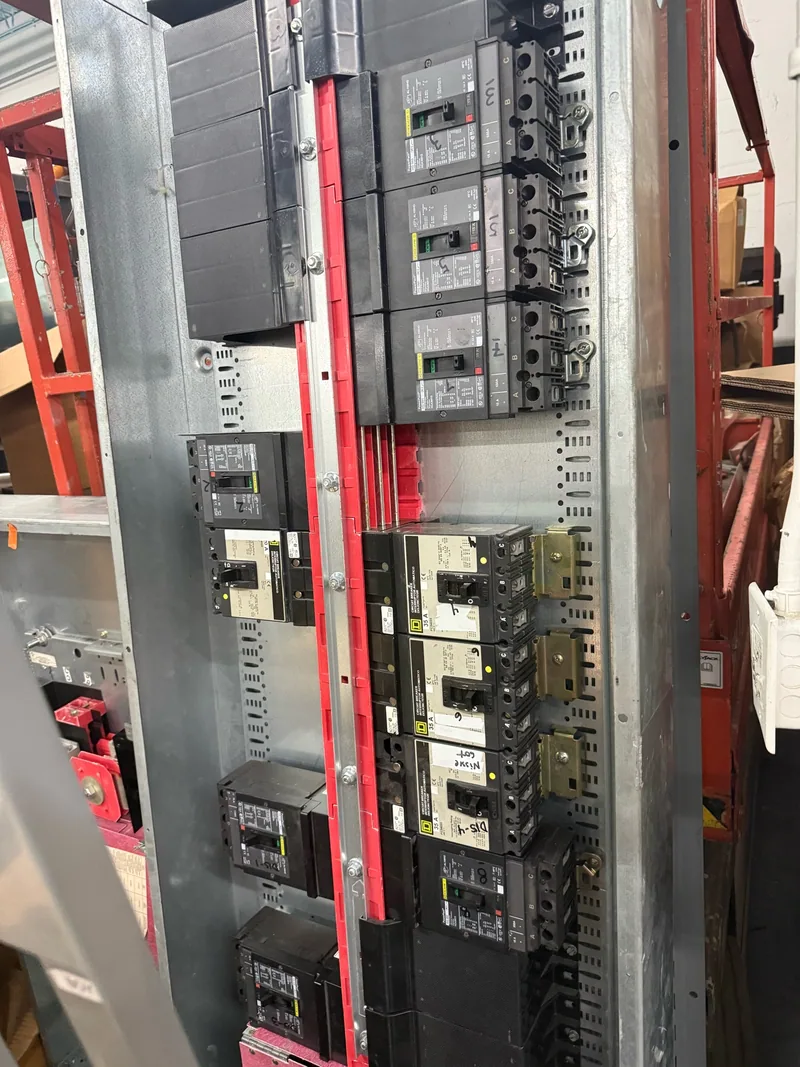
How to Vet a Switchgear Buyer Before the Load Leaves
Once you determine that your de-energized equipment is suitable for the secondary market, properly vetting the buyer is critical to protecting your facility from liability and financial loss. The most important question to ask is whether the purchasing entity actually takes title to the equipment. Brokers often use contracts that leave the legal ownership—and the associated liability—with your facility until the gear reaches a final destination, which could be months after it leaves your site. A legitimate direct buyer will take clear legal title to the switchgear the moment it is loaded onto their transport, completely severing your facility's connection to the retired assets. This clear chain of custody protects your company from future claims regarding the equipment's performance or environmental impact, ensuring a clean break once the project is completed.
Financial security and insurance coverage are equally vital components of the vetting process when selecting a buyer for your heavy electrical infrastructure. You must verify that the buyer provides payment upfront before the truck leaves your loading dock. Unprofessional operators frequently attempt to re-trade the agreed-upon number on load-out day, claiming unexpected logistical costs or suddenly discovering minor wear and tear to justify a lower payment when you are most vulnerable to schedule delays. Additionally, any buyer sending crews into your facility must carry their own comprehensive liability and worker's compensation insurance. Always demand a current certificate of insurance naming your company as an additional insured before allowing any outside personnel to begin rigging, jacking, or moving heavy switchgear sections through your facility's corridors.
Finally, evaluate the buyer's logistical capabilities and geographic footprint to ensure they can execute the removal safely and efficiently. Removing a 5000A main-tie-main switchboard requires specialized rigging knowledge, heavy-duty equipment, and a clear understanding of electrical room constraints. Buyers who rely entirely on third-party freight brokers often struggle to meet strict facility shutdown schedules, leading to costly delays for your broader renovation project. Our company operates directly across Texas, Florida, New York, Georgia, South Carolina, North Carolina, Virginia, Ohio, Pennsylvania, and Connecticut, utilizing our own specialized removal crews. By managing the entire process internally, we ensure that the de-installation proceeds safely, the agreed payment is delivered promptly, and the equipment is removed exactly when your project schedule demands it, without relying on unverified subcontractors.
Key Questions to Ask Any Prospective Switchgear Buyer
- Do you take legal title to the equipment immediately upon loading
- Will payment be issued in full before the transport leaves our facility
- Are you purchasing this for your own inventory or acting as a broker
- Do you carry your own comprehensive liability insurance for the removal process
- Can you provide a certificate of insurance naming our facility as an additional insured
- Will you use your own specialized rigging crews or subcontract the labor
- Do you attempt to renegotiate the agreed price on the day of removal
- Are you capable of meeting our strict facility shutdown and load-out schedule
- Do you operate directly within our specific state
Related seller guides
Used switchgear grading
When facility managers and demolition contractors prepare to sell used switchgear, understanding how the equipment is …
Obsolete switchgear
Facility upgrades often leave plant managers wondering what to do with discontinued electrical equipment that seems to…
Scrap vs resale
Facility managers often wonder whether their retired electrical equipment is worth more as raw metal or as a functiona…
Questions sellers ask
Do you buy switchgear that has been stored outdoors for several years?
We evaluate outdoor-stored equipment on a case-by-case basis depending on the enclosure type and internal condition. NEMA 3R outdoor walk-in enclosures generally protect the internal components well, making them viable for purchase. However, if standard NEMA 1 indoor gear has been left exposed to the elements, the resulting moisture damage and corrosion typically reduce its value to scrap metal.
Will your crews disconnect the switchgear from our active utility feed?
No, we do not perform energized work under any circumstances. The equipment must be completely de-energized, disconnected, and physically isolated by your facility's licensed electrician or the local utility provider before our crews arrive. Once the gear is confirmed safe and dead, our specialized teams will handle the mechanical unbolting, rigging, and removal from your electrical room.
How do you determine the value of our retired electrical equipment?
We base our valuation on the manufacturer, voltage class, bus rating, and current secondary market demand for those specific components. Because we are a direct buyer intending to resell the equipment as usable electrical infrastructure, we pay more than scrap value. We do not weigh the gear for copper content; instead, we assess its viability for reconditioning and future deployment in other facilities.
Ready to move it out?
To receive an accurate valuation for your retired equipment, please send us clear photos of the master nameplate showing the manufacturer, equipment type, voltage class, and continuous bus rating. We also require a wide-angle photo showing the full lineup and a brief description of the electrical room's access constraints, such as narrow hallways or loading dock heights. You can reach our purchasing team directly at (954) 740-1983 or email your equipment details to electricalequipmentbuyers@gmail.com to start the review process.