
Standardization Programs And Warehouse Rationalization
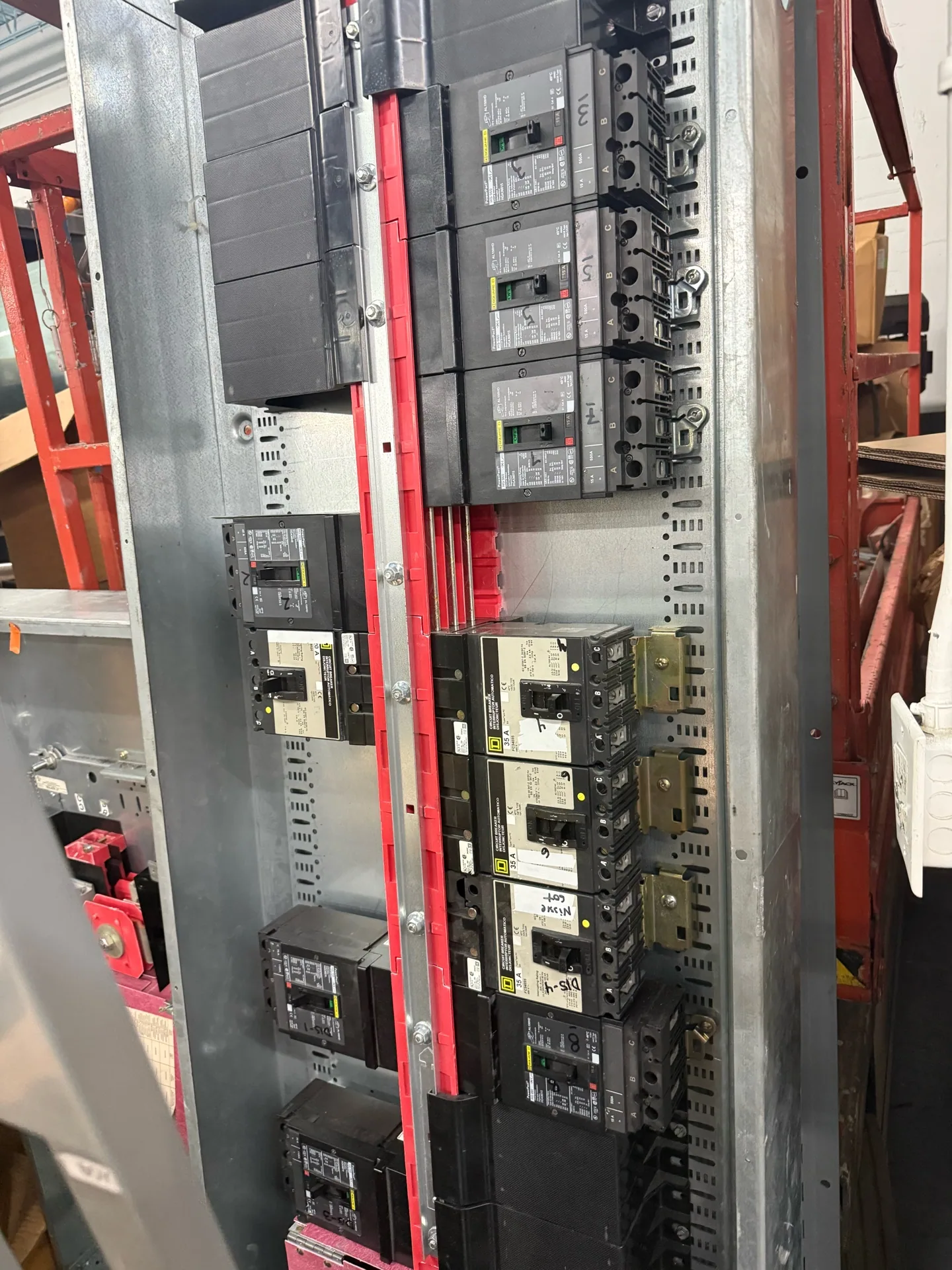
Utilities and electric cooperatives frequently execute system-wide standardization programs that result in the retirement of an entire equipment family across multiple substations. When a municipal power provider decides to transition away from a specific vintage of 15kV or 38kV metal-clad switchgear, the resulting surplus is substantial. This process generates not only the active lineups being removed from service but also the associated emergency stock and spare breakers that have been sitting in warehouse storage. We purchase these complete inventories, recognizing the value in both the operational units and the unused spares that are no longer required for your modernized grid.
Beyond planned standardization, capacity upgrades and rebuild projects are primary drivers of utility surplus. As load demands increase, utilities often replace existing 15kV station-class gear with higher-rated equipment to accommodate new residential or commercial development. The removed switchgear, while insufficient for the upgraded substation's new fault current or continuous load requirements, remains fully functional. Warehouse rationalization initiatives also uncover aging storm-replacement stock that has aged out of the utility's acceptable deployment window. We evaluate and purchase these assets, converting idle warehouse footprint into recovered capital.
The value of this retired station-class equipment lies in the broader utility ecosystem. While your specific municipal grid may be phasing out a particular line of vacuum or SF6 gas-insulated switchgear, other regional utilities and rural cooperatives often still operate that exact equipment. These organizations require matching spares, replacement breakers, and compatible bus sections to maintain their legacy installed base without undertaking a complete substation rebuild. By selling your surplus switchgear to us, you supply the secondary market with critical components that keep other utility networks reliable, which is why we pay more than scrap value for reusable electrical assets.
Navigating Utility Surplus Declaration And Sales Processes
Selling utility-owned assets involves strict internal compliance, surplus declaration procedures, and administrative oversight that industrial sellers rarely encounter. We understand that municipal power authorities and cooperatives must adhere to specific protocols before any equipment can leave the property. Whether your organization requires a formal sealed bid process or permits a direct negotiated sale for surplus assets, we structure our purchasing approach to align with your procurement and asset recovery guidelines. We provide clear, documented offers that satisfy internal audit requirements and facilitate the necessary board or committee approvals.
A critical component of utility asset disposition is brand protection and liability management. Many utilities require that their specific identification, asset tags, and corporate logos be completely removed or obliterated before the equipment enters the secondary market. We comply with these de-identification requirements, ensuring that your organization's name is separated from the physical hardware. For certain serialized or highly sensitive components, utilities may mandate a certificate of destruction or specific resale restrictions to prevent the equipment from being deployed in unauthorized applications. We accommodate these contractual stipulations, providing the necessary documentation to close out your asset ledger securely.
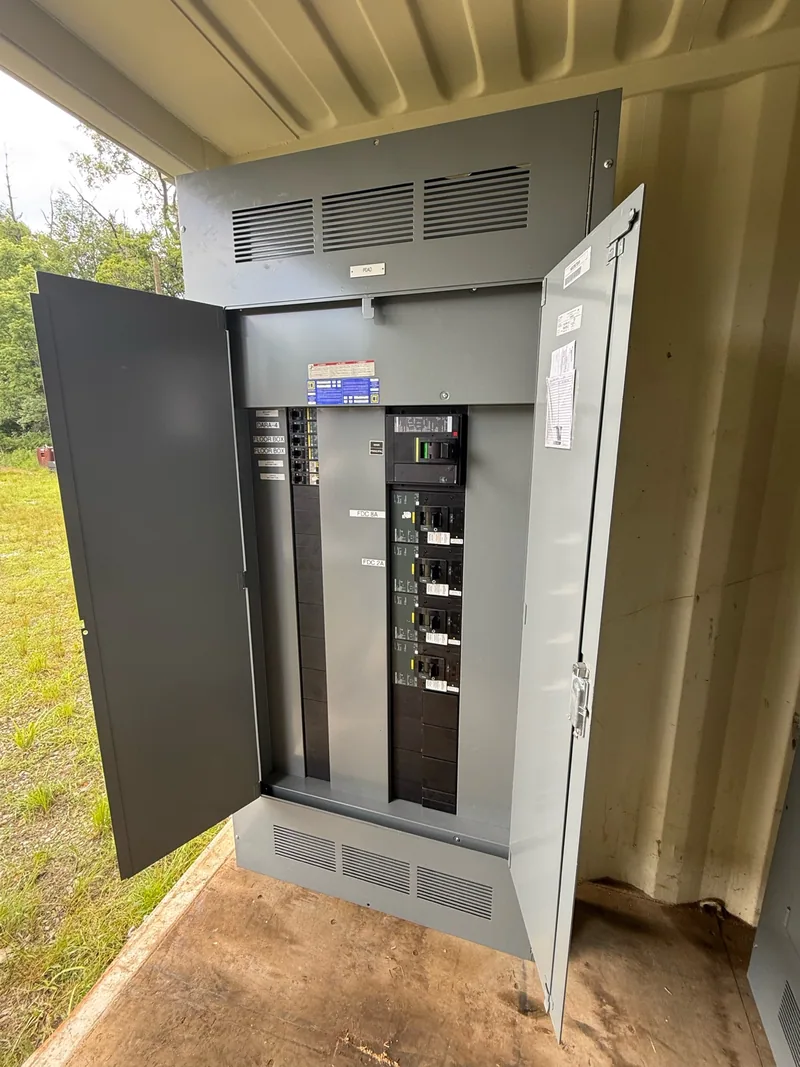
Coordination with system operations is another unique aspect of utility switchgear removal. Substation environments are highly controlled, and any extraction activity must be scheduled around switching orders, clearance boundaries, and grid stability requirements. Our crews work within the parameters set by your substation supervisors and safety personnel. We require that all equipment be completely de-energized, isolated, and grounded by your utility personnel before our team begins the physical de-installation and rigging process. This strict adherence to your operational protocols ensures a safe, compliant removal that does not interfere with your active transmission or distribution infrastructure.
Environmental Documentation And PCB Compliance
Environmental compliance is a paramount concern for utilities disposing of legacy electrical equipment, particularly regarding insulating fluids and potential contaminants. When dealing with older substation switchgear, oil-filled circuit breakers, and associated transformers, the documentation of Polychlorinated Biphenyl (PCB) levels is a non-negotiable requirement. We approach environmental documentation candidly and systematically. Before we purchase and remove fluid-filled equipment, we require accurate, recent test results confirming the PCB concentration in parts per million. This transparency protects both your organization and our removal crews, ensuring that all handling and transportation comply with federal and state environmental regulations.
For equipment that falls within regulated PCB thresholds, the disposition path changes significantly, and strict chain-of-custody protocols must be followed. We focus our purchasing on non-PCB equipment or items that have been properly drained, flushed, and certified as non-regulated by your environmental services team. By establishing clear expectations regarding oil testing and documentation upfront, we prevent delays during the removal phase and eliminate the risk of environmental liability transferring improperly. Your environmental health and safety department will receive the exact paperwork they need to verify that the equipment was transferred to a responsible buyer.
In addition to fluid documentation, the presence of SF6 gas in modern interrupters requires specialized handling during the decommissioning process. Utilities track their SF6 inventory closely due to greenhouse gas reporting requirements. When we purchase SF6-insulated switchgear, we coordinate with your technicians to ensure the gas is properly recovered and documented before the physical structure is dismantled and loaded onto our transport vehicles. Our comprehensive approach to environmental compliance means that your utility can confidently retire and sell its surplus switchgear, knowing that all hazardous material protocols and reporting requirements have been strictly observed.
Utility Switchgear And Substation Equipment We Purchase
- 15kV to 38kV metal-clad station-class switchgear
- SF6 gas-insulated substation breakers
- Vacuum interrupter replacement stock
- Outdoor walk-in aisle switchgear enclosures
- Drawout breaker emergency spare inventories
- Unit substation primary disconnects
- Obsolete air-magnetic circuit breakers
- Control house relay and protection panels
- De-energized bus duct and transition sections
Related seller guides
Substation removal
Decommissioning an outdoor unit substation requires specialized heavy rigging and a clear understanding of the equipme…
Obsolete switchgear
Facility upgrades often leave plant managers wondering what to do with discontinued electrical equipment that seems to…
Data centers
Data center electrical equipment represents the highest quality used gear on the market due to strict climate control …
Questions sellers ask
Do you participate in formal sealed bid processes for municipal utilities?
Yes, we regularly participate in formal sealed bid events and requests for proposals issued by municipal power providers. We can provide the necessary company documentation, insurance certificates, and structured pricing required by your procurement department. If your utility allows negotiated sales for surplus assets, we can also provide direct offers to expedite the transaction.
How do you handle the removal of our utility logos and asset tags?
We strictly adhere to utility de-identification requirements before the equipment is transported or resold. Our crews will remove or permanently obscure all corporate logos, internal asset numbers, and specific facility designations from the switchgear enclosures and breakers. We can provide photographic evidence of this de-identification to satisfy your internal compliance audits.
What are your requirements for oil-filled substation equipment?
For any legacy oil-filled breakers or associated equipment, we require candid documentation of PCB levels prior to purchase. Your environmental team must provide recent test results confirming the fluid is non-PCB. We require all equipment to be fully de-energized and isolated by your personnel before our crews arrive for the physical removal.
Ready to move it out?
To initiate the sale of your surplus utility switchgear, please send us photos of the equipment nameplates showing the manufacturer, type, voltage class, and bus rating. Include wide-angle photos of the complete lineup in the substation or warehouse, along with a description of any access constraints or clearance boundaries our crews will need to navigate. You can reach our purchasing team directly at (954) 740-1983 or email your surplus inventory lists and photos to electricalequipmentbuyers@gmail.com. We will review your available assets and provide an upfront offer to purchase and remove the equipment from your facility in Texas, Florida, New York, Georgia, South Carolina, North Carolina, Virginia, Ohio, Pennsylvania, or Connecticut.