
How Equipment Dimensions Dictate Transport Methods
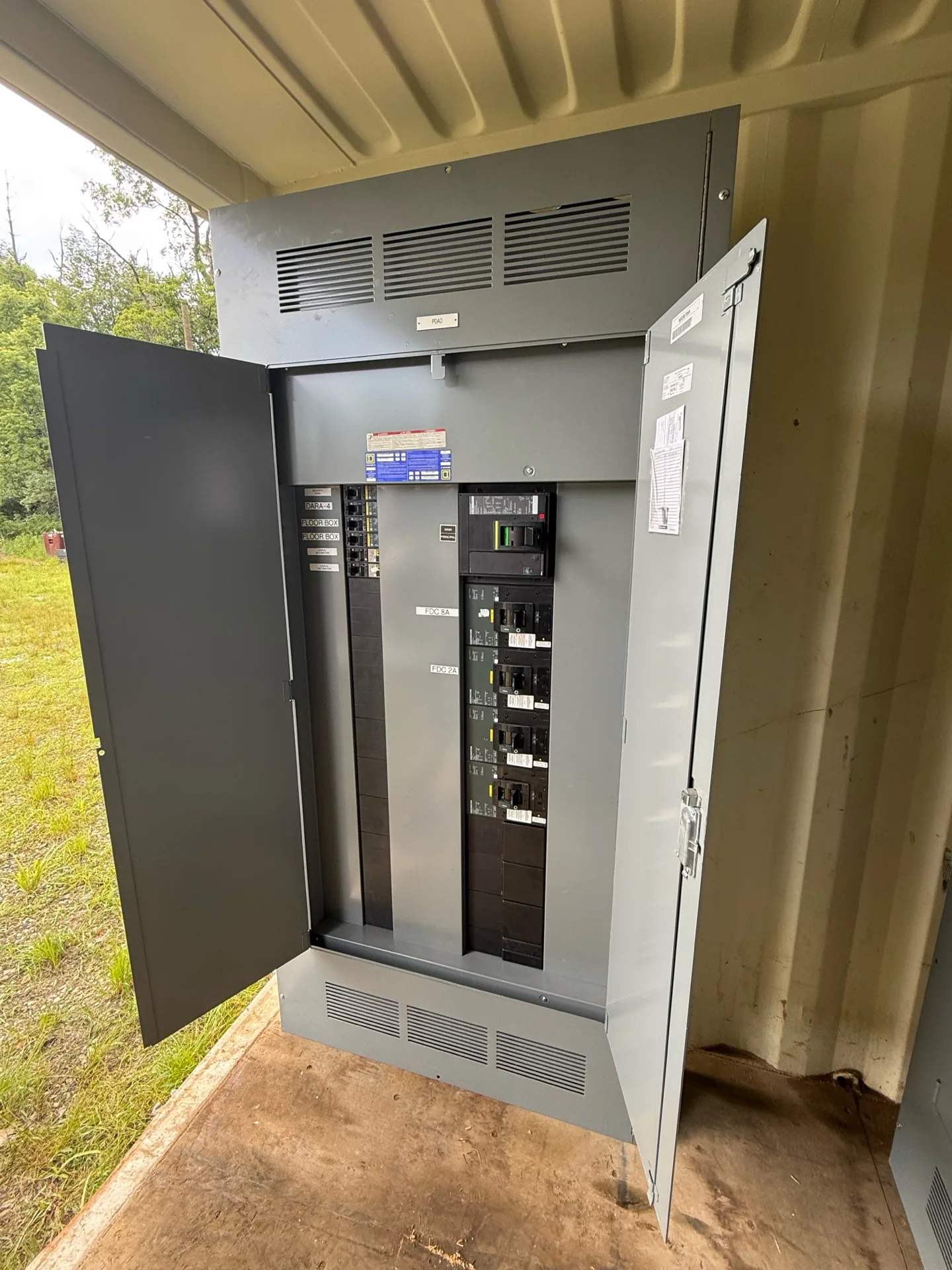
The physical footprint of medium voltage and low voltage electrical equipment directly determines the complexity of its removal and transport. Standard indoor metal-clad switchgear cubicles, often housing 5kV or 15kV vacuum circuit breakers, typically fit within standard legal load dimensions when loaded onto a conventional flatbed trailer. These indoor structures are generally designed to be moved through standard industrial corridors and loaded without exceeding the maximum allowable height for highway travel. However, the situation changes dramatically when dealing with NEMA 3R outdoor walk-in enclosures or arc-resistant C37.20.7 lineups. These robust outdoor structures frequently exceed the standard legal height of eight feet six inches or the legal width of eight feet six inches, instantly classifying the shipment as an oversize or overwidth load. The sheer bulk of a walk-in aisle configuration means that what might have been a straightforward flatbed shipment suddenly requires a highly specialized approach to heavy haul logistics.
When a load exceeds these legal dimensions, the logistics require specialized trailers and meticulous route planning. A standard flatbed might be swapped for a step-deck or a lowboy trailer to keep the overall height of tall unit substations or towering UL 891 switchboards below critical bridge clearances and overpasses. If the equipment is exceptionally wide, the transport may require specialized oversize permits from the Department of Transportation in every single state the truck crosses, along with pilot cars or escorts to ensure safe passage through narrow construction zones or tight urban environments. These logistical requirements add substantial overhead and lead time to the removal process, which is why partnering with a buyer who inherently understands heavy freight routing is essential for a smooth transaction. We handle all of these complex permitting and routing requirements internally, ensuring that the extraction of your oversized electrical assets proceeds without regulatory delays or unexpected freight surcharges.
Beyond the trailer type, the physical preparation of the equipment for highway transit is a critical factor in preserving its resale value as usable electrical apparatus. Switchgear by the truckload must be meticulously dunnaged, blocked, and braced to prevent shifting during transit, which could misalign internal bus bracing, damage sensitive protective relays, or compromise the integrity of the drawout mechanisms. Because we purchase this equipment to refurbish and return to service rather than sending it to a scrap yard to be shredded for copper weight, our crews ensure every section is properly tarped to protect against moisture, road salt, and debris. This careful handling and weatherproofing ensures the equipment arrives at our facility in optimal condition, allowing us to pay top dollar for your surplus assets. Proper load securement is not just a regulatory requirement; it is a fundamental part of our asset recovery strategy that directly benefits your bottom line.
The Economics of Bulk Switchgear Lots and Freight Consolidation
Freight costs represent a significant variable in the valuation of surplus electrical equipment, and understanding lot-size economics can directly impact your final payout. The fundamental reality of heavy transport is that moving a partial load costs nearly as much as moving a fully loaded trailer. Dispatching a step-deck trailer to retrieve a single 800A distribution panel incurs the exact same base rate, fuel surcharge, insurance overhead, and driver time as sending that same truck to haul an entire lineup of 480V drawout switchgear. Consequently, the freight burden per unit is drastically reduced when equipment is consolidated into full truckload shipments. When the transportation cost is spread across ten or fifteen vertical sections of switchgear rather than just one or two, the economics shift favorably, allowing us to allocate more of our purchasing budget directly to the equipment itself rather than to the freight carrier.
For facility managers, plant engineers, and demolition contractors, this means that combining all available electrical assets into a single bulk transaction yields a much stronger financial return. Instead of piecemealing the sale of a few transformers here and a couple of motor control centers there, presenting a comprehensive inventory allows us to optimize the freight spend. When we can fill a 48-foot or 53-foot trailer to its maximum legal weight and deck space, the logistical efficiency translates directly into a higher purchase offer for the seller. A single 15kV cubicle located in a remote corner of our ten-state footprint might only be economically viable if it can be combined with other freight, whereas a complete substation replacement easily justifies a dedicated truck. By viewing your surplus electrical equipment as a comprehensive lot rather than isolated components, you maximize the inherent value of the assets.
We actively plan our dispatch schedules around established freight lanes within our operating territory of Texas, Florida, New York, Georgia, South Carolina, North Carolina, Virginia, Ohio, Pennsylvania, and Connecticut. By coordinating pickups along these high-volume routes, we minimize deadhead miles and reduce overall transport costs. This routing efficiency is a key reason we can offer highly competitive valuations for bulk switchgear lots. When you work with our team, you are leveraging an optimized logistics network designed specifically for heavy electrical infrastructure, ensuring that freight expenses do not unnecessarily erode the value of your retired equipment. Our ability to match your equipment location with our existing truck routes means we can often execute pickups faster and more cost-effectively than buyers who rely entirely on third-party freight brokers to move their purchases.
Streamlining the Removal of Large Electrical Lineups
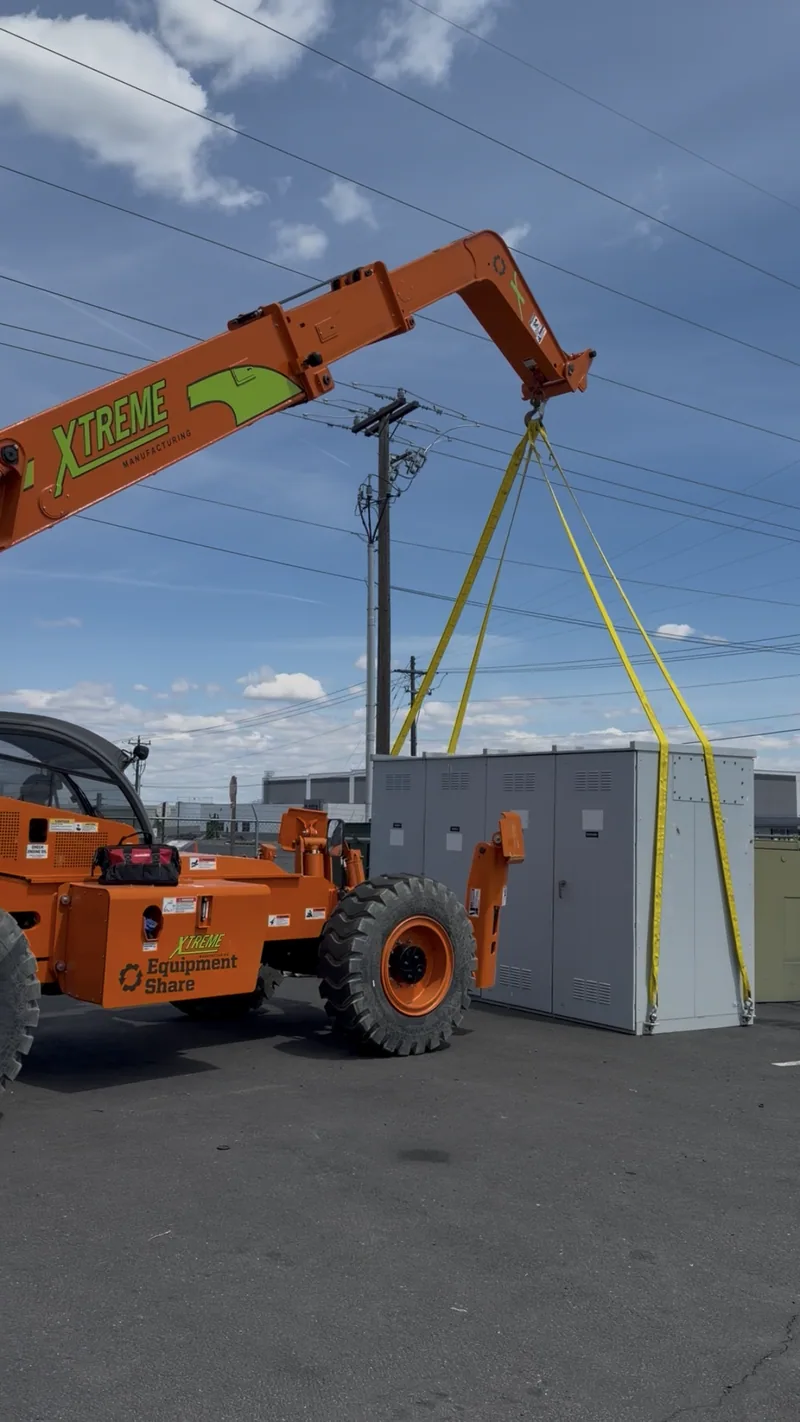
Executing the removal of switchgear truckload lots requires precise coordination between the facility owner, the local electrical contractor, and our specialized rigging crews. Before our team arrives on site, the equipment must be completely de-energized, isolated, and verified safe by your licensed electrician or the local utility provider. We do not perform energized work under any circumstances, and strict adherence to lockout/tagout protocols is mandatory before our personnel will interact with the infrastructure. Once the system is confirmed dead and safe to handle, our crews take over the mechanical separation, carefully unbolting shipping splits, disconnecting the main bus bars, and securing any loose components to prepare the heavy lineup for extraction. This mechanical dismantling is performed with an eye toward preserving the equipment's integrity for future refurbishment and resale.
The extraction process for multi-section metal-enclosed or metal-clad switchgear demands heavy-duty material handling equipment and a clear, unobstructed egress path. Moving 5000A main tie main switchboards or heavy 38kV interrupter switches out of a basement electrical room or down a narrow industrial corridor requires specialized machinery, including heavy-duty skates, hydraulic jacks, and sometimes temporary structural shoring to protect facility floors. We evaluate the facility's loading dock capacity, ground-level access doors, and forklift clearances well before the trucks are dispatched to the site. This upfront logistical planning ensures that the loading process proceeds without delays, avoiding costly detention time for the waiting freight carriers and minimizing disruption to your ongoing facility operations. Our crews are highly experienced in navigating tight clearances and complex industrial environments to extract bulky electrical assets safely.
Because we are a direct buyer taking immediate title to the equipment, the financial transaction is completed before the loaded trailers ever leave your facility. You receive payment upfront, eliminating the uncertainty of consignment arrangements, prolonged inspection periods, or broker delays. Our comprehensive approach means you do not have to coordinate separate rigging contractors, freight brokers, and equipment buyers to clear your facility. We handle the entire turnkey removal process, transforming a complex logistical burden into a streamlined asset recovery project that clears your valuable floor space and returns capital to your project budget. By trusting our team to manage the heavy lifting and the heavy hauling, you can focus on your core operations while we efficiently remove your surplus electrical infrastructure.
Key Factors in Switchgear Transport Planning
- Trailer selection based on equipment height and weight
- Oversize and overwidth permit requirements for NEMA 3R enclosures
- Bridge clearance and routing restrictions for tall unit substations
- Dunnage and blocking techniques to protect internal bus bracing
- Heavy-duty tarping to prevent moisture damage during transit
- Consolidation strategies to maximize deck space and minimize freight costs
- Egress path evaluation for extracting multi-section lineups
- Coordination of rigging equipment with trailer arrival times
- Route planning along established freight lanes within our ten-state footprint
Related seller guides
Liquidation
Facility closures demand strict schedule adherence and maximum asset recovery. We purchase complete electrical switchg…
Whole lineup or sections
Facility managers and demolition contractors often face a critical decision when retiring electrical infrastructure: w…
Removal cost
Facility managers and demolition contractors frequently ask about the cost to remove switchgear when clearing an elect…
Questions sellers ask
Do I need to arrange the freight for my bulk switchgear lots?
No, you do not need to manage any freight or transportation logistics. We handle the entire process, from dispatching the appropriate flatbed or step-deck trailers to securing any necessary oversize permits. Our crews manage the loading, dunnage, and tarping to ensure the equipment is transported safely and efficiently.
How does the size of my equipment affect the purchase offer?
The physical dimensions and total volume of your equipment directly impact the freight costs, which are factored into our valuation. Consolidating multiple pieces into a full truckload significantly reduces the shipping cost per unit, allowing us to pay more for the lot. Conversely, exceptionally tall or wide outdoor enclosures that require specialized lowboy trailers and escort vehicles incur higher transport expenses.
Will your crews disconnect the switchgear from our facility's power grid?
We do not perform any energized electrical work under any circumstances. Before our removal crews arrive to separate the shipping splits and load the equipment, your facility's electrician or the local utility must completely de-energize and isolate the system. Once the equipment is confirmed dead and locked out, our team handles the mechanical dismantling and rigging.
Ready to move it out?
To receive an upfront offer on your bulk switchgear lots, please send us clear photos of the equipment nameplates showing the manufacturer, type, voltage class, and bus rating, along with wide-angle photos of the entire lineup. We also need a brief description of the room's access constraints, such as loading dock availability or narrow corridors. Contact our purchasing team at (954) 740-1983 or email your photos and details to electricalequipmentbuyers@gmail.com to start the evaluation process.