
How We Absorb The Cost To Remove Switchgear
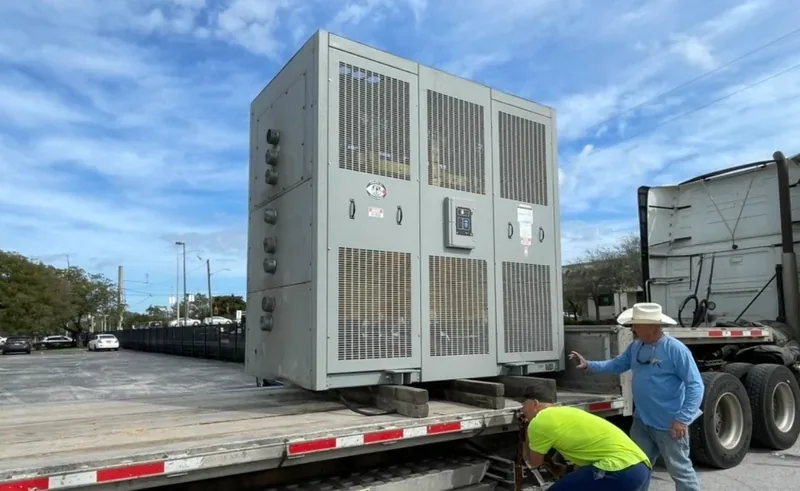
The most direct answer to who pays for switchgear removal is that the buyer should absorb the expense if the equipment holds secondary market value. Because we are a direct buyer that purchases electrical switchgear to refurbish and resell as usable equipment, we factor the extraction and transportation expenses into our initial valuation. When we evaluate a lineup of 15kV metal-clad switchgear or a 480V drawout switchboard, we calculate the total market value of the internal components, the bussing, and the enclosures, and then we subtract our anticipated rigging and freight expenses. The resulting figure is the net amount you are paid upfront before our trucks ever leave your facility. You are not issued an invoice for labor, crane time, or flatbed transportation, ensuring a clean financial transaction for your project.
This financial structure works seamlessly because we are not a scrap yard paying by the pound for raw copper and steel. We are acquiring specific industrial assets, such as vacuum circuit breakers, complete unit substations, and arc-resistant enclosures per ANSI C37.20.7, which command a significantly higher value than their base metal weight. By deploying our own specialized crews to handle the heavy lifting and logistics, we control the removal costs internally rather than outsourcing the work to third-party rigging contractors. This operational efficiency allows us to offer top dollar for the equipment itself while completely shielding the seller from the unpredictable hourly rates and equipment surcharges typically associated with heavy electrical demolition.
Transparency is critical when discussing these logistics, which is why every proposal we issue clearly outlines how the removal process is handled from start to finish. Our itemized offers detail the exact scope of work our crews will perform, confirming that all rigging, loading, and freight are covered on our end. The only strict prerequisite is that the equipment must be completely de-energized and isolated by your facility electrician or the local utility prior to our arrival, as we do not perform energized work under any circumstances. Once the system is verified as safe and locked out, our team takes over the physical extraction, ensuring the financial transaction remains a net positive for your facility upgrade or demolition budget.
What Drives The Logistics And Rigging Expenses
While we cover the removal expenses for the equipment we purchase, it is important for facility engineers to understand the site-specific variables that dictate those internal costs. The primary driver of switchgear removal cost is facility access and the physical path of egress from the electrical room to the loading area. Extracting a multi-section NEMA 1 indoor switchboard from a ground-floor mechanical room with double doors and a straight, level path to a loading dock requires minimal specialized equipment and fewer labor hours. Conversely, removing a heavy lineup from a basement, a penthouse, or a mezzanine level introduces significant logistical hurdles. Floor weight limits, freight elevator capacities, and the exact dimensions of every doorway or corridor along the route directly impact the time and manpower required to safely extract the sections without damaging the building infrastructure.
Beyond the building's architecture, the availability of material handling equipment and the distance to a truck-accessible loading point heavily influence the operation. If a site requires a telehandler to navigate rough terrain or a heavy-duty crane to lift a NEMA 3R outdoor enclosure over existing piping and infrastructure, the associated equipment rentals and operator hours must be accounted for in the project planning. Additionally, the physical installation method of the gear plays a major role in the extraction timeline. Equipment that is heavily anchored, welded to embedded steel channels, or requires extensive cutting of the concrete pad and bottom-entry conduit will demand substantially more labor hours than a standard bolt-down installation.
Operational constraints imposed by the facility also shape the removal logistics and the associated internal costs. Many active manufacturing plants, hospitals, and data centers restrict heavy moving to specific shutdown windows, requiring our crews to work overnight, on weekends, or during compressed holiday shifts to avoid disrupting core operations. Strict security protocols, mandatory escorting requirements, and site-specific safety orientations can further extend the timeline. By evaluating these factors upfront during the appraisal phase, we accurately project the labor and equipment required, ensuring our purchase offer remains firm and that no unexpected logistical surcharges are ever passed back to the seller.
When Removal Costs Exceed The Equipment Value
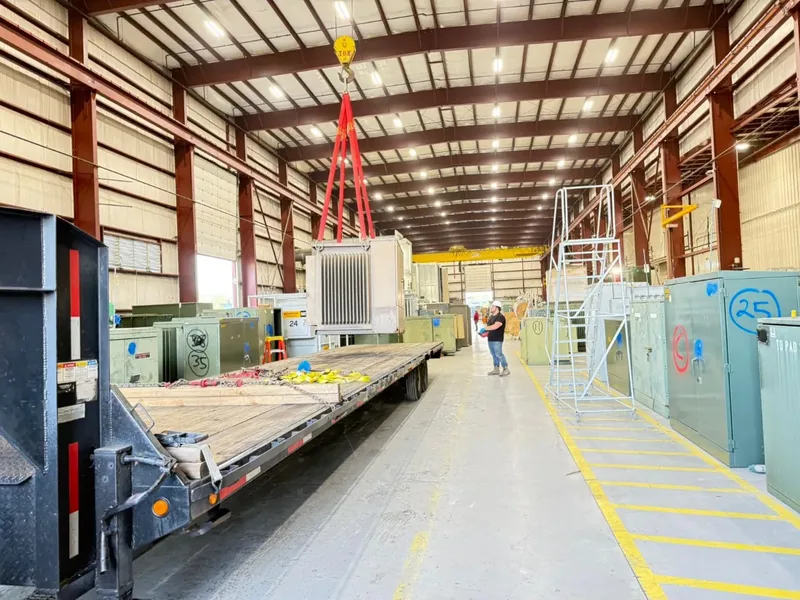
Although our standard business model involves paying the seller and absorbing the extraction costs, there are specific scenarios where the cost to remove switchgear fundamentally alters the transaction. This typically occurs when the equipment is obsolete, heavily damaged, or otherwise holds only raw material value, yet is located in an exceptionally difficult environment. If a vintage air-magnetic lineup from legacy manufacturers like Allis-Chalmers or ITE is situated deep within a facility where the rigging and extraction labor will cost more than the recoverable copper and steel, the project becomes a net-negative proposition. In these instances, we are straightforward with facility managers and demolition contractors about the economics, explaining exactly why the material value cannot offset the specialized demolition required to remove it.
Another situation that complicates the financial structure involves extensive facility modifications required just to create a viable egress path. Our crews are highly equipped to unbolt, separate shipping splits, and roll out heavy electrical sections, but we do not perform structural building modifications. If removing a large unit substation requires knocking down masonry walls, widening structural doorways, or removing roofing panels for crane access, those facility alterations remain the strict responsibility of the building owner. Similarly, if the electrical room contains hazardous materials requiring professional abatement before the gear can be safely disturbed, that environmental remediation must be completed and funded by the seller prior to our mobilization.
In cases where the logistics are extreme but the equipment still retains significant secondary market value, we work collaboratively to find a viable solution. For example, if a late-model 15kV lineup from Eaton or Square D is trapped in a room that requires specialized gantry systems and temporary structural shoring to extract, the high value of the modern vacuum breakers and bussing may still cover the extraordinary rigging costs. We analyze these complex scenarios on a case-by-case basis across our ten-state operating area, providing a clear, honest assessment of whether the asset's value justifies the extraction effort, or if the facility should pursue a localized demolition strategy instead.
Key Factors That Influence Switchgear Extraction Logistics
- Ground-level access versus basement or upper-floor electrical rooms
- Clearance dimensions of doorways, corridors, and freight elevators
- Distance from the equipment pad to a truck-accessible loading dock
- Requirement for specialized lifting equipment like cranes or telehandlers
- Complexity of the original installation, including embedded conduit and welded channels
- Facility operational constraints, such as mandatory weekend or overnight shutdown windows
- Security protocols requiring continuous escorting or extensive site orientations
- Need for temporary ramps, floor protection, or specialized heavy-duty skates
Related seller guides
Removal service
Extracting heavy electrical infrastructure requires precise coordination and specialized rigging. We execute the physi…
Scrap vs resale
Facility managers often wonder whether their retired electrical equipment is worth more as raw metal or as a functiona…
Truckload lots
Moving heavy electrical infrastructure requires specialized transport planning and significant freight expenditure. Wh…
Questions sellers ask
Will I receive an invoice for the rigging and freight?
No, you will not receive an invoice for our labor or transportation. When we purchase your usable electrical equipment, we calculate the removal and freight expenses internally and deduct them from the total market value of the assets. The offer we present is the net amount you are paid upfront, ensuring you are never billed for the extraction process.
What happens if the equipment is too large for the existing doors?
If the switchgear sections cannot fit through the existing egress path, the situation must be evaluated carefully. Our crews can separate shipping splits and remove external panels to reduce the footprint, but we do not perform structural modifications to your building. If a wall opening or door widening is required, the facility owner or a general contractor must complete that work before we can extract the gear.
Do you disconnect the power before removing the switchgear?
We strictly prohibit our crews from performing energized work. Before we begin any dismantling or rigging, the equipment must be completely de-energized, isolated, and locked out by your facility electrician or the local utility provider. Once the system is verified as safe and dead, our team will take over the physical removal of the enclosures and breakers.
Ready to move it out?
To get a clear assessment of your equipment's value and the associated logistics, please send us photos of the gear, including close-ups of the nameplates showing the manufacturer, voltage class, and bus rating. Additionally, provide a wide photo of the full lineup and a brief description of the room's access constraints, such as stairs, narrow doors, or uneven terrain. You can reach our purchasing team directly at (954) 740-1983 or email your photos and site details to electricalequipmentbuyers@gmail.com to start the evaluation process.