
Understanding Low-Voltage Power Switchgear Construction And Value
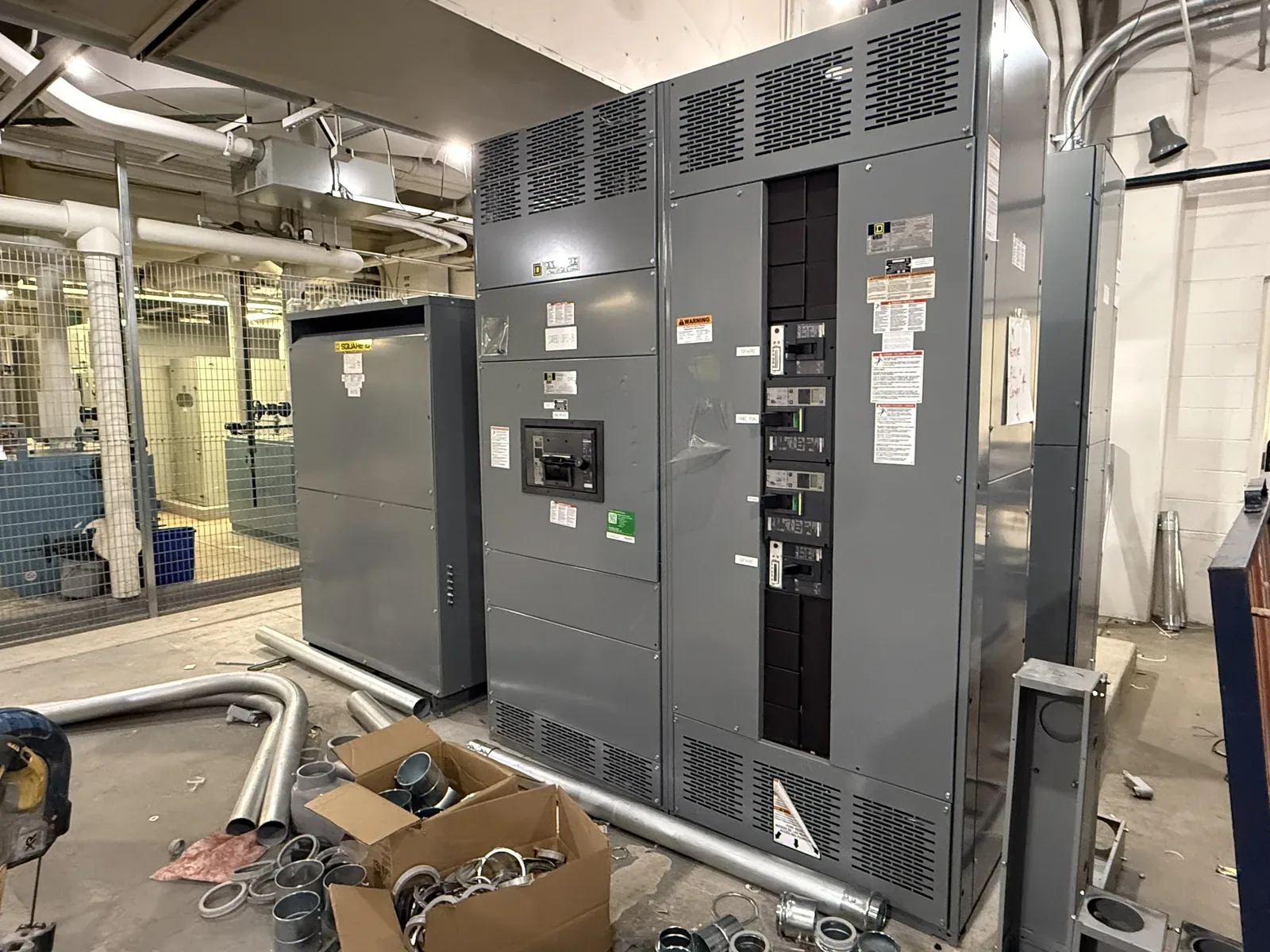
Low-voltage power switchgear, defined by the ANSI C37.20.1 standard, is engineered for maximum reliability and maintainability in demanding electrical environments. Unlike standard distribution switchboards, true low-voltage switchgear features compartmentalized construction with rear and front accessible sections, heavy-gauge steel enclosures, and individually isolated breaker cells. The defining characteristic of this equipment is the use of drawout low-voltage power circuit breakers, often referred to as air-frame breakers. These drawout mechanisms allow facility engineers to safely rack breakers in and out of the energized bus for maintenance, testing, or replacement without shutting down the entire lineup. The main bus itself is typically rated anywhere from 800A through 5000A, utilizing heavy copper or aluminum bracing designed to withstand massive short-circuit fault currents.
The distinction between a switchboard and true low-voltage switchgear is critical when evaluating the resale market. Switchboards generally utilize fixed-mount molded-case circuit breakers and group-mounted designs, which are cost-effective for light commercial applications but hold limited secondary market value. In contrast, ANSI-rated low-voltage switchgear utilizes insulated-case and power-frame breakers that are highly sought after by industrial facilities looking to maintain or expand their existing infrastructure. Because we resell this equipment as usable electrical apparatus rather than processing it for metal weight, we pay more than scrap value for complete, well-maintained lineups. The heavy copper bus and robust steel enclosures certainly have intrinsic material value, but the true worth lies in the functional engineering of the gear.
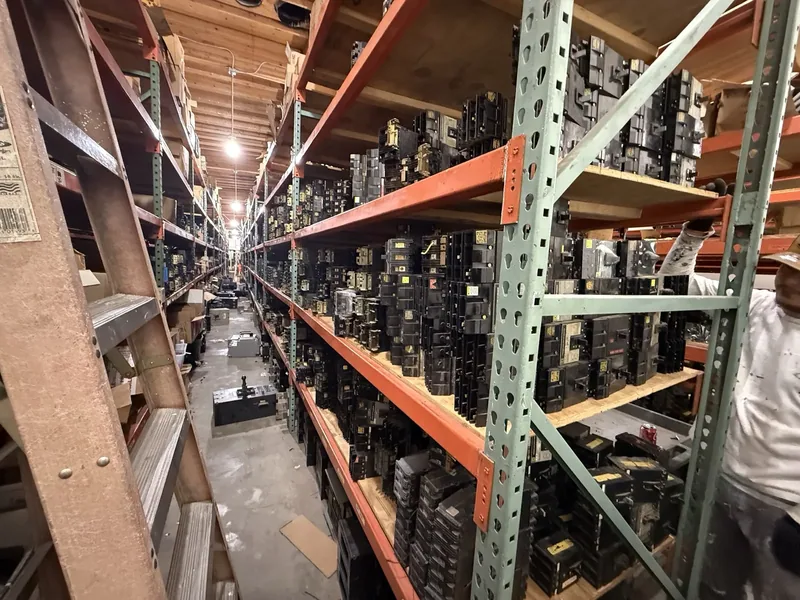
When facility managers or demolition contractors prepare to decommission a plant, understanding the configuration of their low-voltage switchgear helps determine its value. A complete lineup with all its original drawout breakers intact commands a premium in the secondary market. Conversely, a lineup that has been stripped of its breakers is worth a fraction of a complete one, as the drawout breakers frequently carry the majority of the system's value. The empty cells and bus structure can still be repurposed or harvested for parts, but the power-frame breakers themselves are the primary drivers of demand. We evaluate the entire assembly, taking into account the condition of the bus bracing, the integrity of the cell structures, and the presence of the original breakers. Providing detailed information about the breaker inventory allows us to offer the highest possible return for your surplus equipment.
Common Manufacturer Families And Resale Market Demand
The secondary market for low-voltage power switchgear is driven by the need to support legacy installations and the demand for reliable, heavy-duty distribution equipment. Certain manufacturer families are particularly prevalent in industrial facilities across our primary operating regions, which include Texas, Florida, New York, Georgia, South Carolina, North Carolina, Virginia, Ohio, Pennsylvania, and Connecticut. For example, Square D Masterclad systems utilizing NW or NT breakers are highly desirable due to their widespread adoption in modern manufacturing plants. Similarly, Eaton and Cutler-Hammer Magnum DS and legacy DSII lineups remain staples in heavy industry, creating a consistent demand for complete sections and replacement breakers.
General Electric systems, particularly the AKD series and the more advanced Entellisys platforms, are frequently encountered during plant upgrades and decommissioning projects. The older AKD gear, while aging, still holds value for facilities maintaining identical legacy systems, provided the breakers and trip units are in good working order. Siemens WL switchgear and legacy Westinghouse DS or DSII systems also represent significant portions of the installed base in older industrial corridors. When we evaluate these specific families, we look closely at the breaker frame sizes, the specific trip units installed, and the overall compatibility of the cells. A lineup featuring modern solid-state trip units will generally yield a higher return than one relying on obsolete electromechanical devices.
The physical environment where the switchgear was installed plays a massive role in its resale viability. Equipment that has spent its operational life in a clean, climate-controlled, dry plant electrical room retains its structural integrity and electrical reliability, making it ideal for refurbishment and resale. In contrast, switchgear pulled from a damp basement, a poorly ventilated mechanical penthouse, or an environment with heavy airborne particulates often suffers from corrosion on the bus work and degradation of the breaker mechanisms. While we still purchase equipment in less-than-ideal condition, severe water damage or heavy rust can relegate a highly desirable manufacturer family to its base material value. We carefully inspect the internal components for signs of tracking, insulation breakdown, and mechanical binding.
Our Evaluation And Removal Process For Low-Voltage Systems
As a direct buyer of electrical infrastructure, we handle the entire acquisition process from the initial valuation to the final rigging and transportation. We do not act as a broker waiting to find an end-user; we purchase the equipment directly, take title to the assets, and pay the seller upfront before our trucks leave the facility. This approach provides certainty for demolition contractors and facility owners who need to clear space quickly and cannot afford delays in their project schedules. When evaluating low-voltage power switchgear, our primary focus is on the completeness of the lineup, the specific breaker frame sizes, and the condition of the internal bus bracing. We require clear documentation of the equipment's specifications, typically found on the master nameplate, to provide an accurate valuation.
The removal of heavy low-voltage switchgear requires specialized rigging knowledge and a clear understanding of electrical room logistics. These lineups are incredibly heavy, often weighing thousands of pounds per vertical section, and must be carefully separated at the shipping splits to avoid damaging the internal bus connections. Our crews arrive fully equipped to handle the physical extraction, utilizing heavy-duty machinery skates, specialized jacks, and appropriate lifting gear. We manage the complex logistics of navigating tight corridors, freight elevators, and loading docks, ensuring the equipment is safely loaded onto our specialized transport vehicles without causing damage to the facility. Our experienced riggers understand how to dismantle the gear efficiently, preserving the integrity of the cells and the drawout mechanisms.
Safety and compliance are the foundational elements of our removal operations. We require that all equipment be completely de-energized, locked out, and physically isolated by the facility's licensed electrician or the local utility before our crews begin their work. We do not perform energized work, utility switching, or any form of hazardous material abatement, such as asbestos or PCB removal. By strictly adhering to these safety protocols, we ensure a smooth, incident-free extraction process that aligns with the rigorous safety standards of modern industrial and commercial demolition projects. Our focus remains entirely on the safe, efficient removal of the switchgear and maximizing the return for the seller, allowing your team to focus on the broader objectives of your facility upgrade.
Key Specifications And Inspection Points For Low-Voltage Switchgear
- ANSI C37.20.1 compliance verification
- Drawout air-frame breaker presence and condition
- Main bus amperage rating (800A to 5000A)
- Breaker frame sizes and installed trip units
- Copper versus aluminum bus bracing integrity
- Manufacturer family (e.g., Square D NW, Eaton Magnum)
- Cell compatibility and shutter mechanism operation
- Environmental condition of the enclosure and internal components
- Shipping split configuration for removal logistics
Other switchgear we buy
Metal-clad
Compartmentalised drawout gear with grounded barriers and automatic shutters. The most resellable medium-voltage category.
Metal-enclosed
Fixed-mounted interrupter switches and power fuses. Common as utility service entrance and primary distribution gear.
Medium-voltage
The whole medium-voltage band, from 4.16 kV motor service through 38 kV utility class distribution.
Questions sellers ask
What is the difference in value between a switchboard and low-voltage switchgear?
Low-voltage switchgear utilizes heavy-duty drawout power circuit breakers and compartmentalized construction, making it highly valuable for industrial reuse. Switchboards typically use fixed-mount molded-case breakers and group-mounted designs, which have a much lower secondary market demand. Because switchgear is engineered for higher reliability and maintainability, it commands a significantly higher price when sold as usable equipment.
Will you buy a low-voltage switchgear lineup if the drawout breakers are missing?
Yes, we will still purchase the lineup, but its value will be substantially reduced. The drawout power circuit breakers often represent the majority of the system's resale value. An empty structure can still be utilized for parts or specific cell replacements, but a complete lineup with all breakers intact yields the highest return.
Do your crews handle the electrical disconnection of the switchgear?
No, we do not perform any energized work or utility switching. The switchgear must be completely de-energized, locked out, and isolated from the grid by your facility's electrician or the local utility. Once the equipment is verified safe and dead, our crews will handle the physical dismantling, rigging, and removal from your site.
Ready to move it out?
To sell your surplus or retired low-voltage power switchgear, please send us clear photos of the master nameplate showing the manufacturer, type, voltage class, and bus rating. Include a wide-angle photo of the full lineup to show the number of sections and breakers, along with a brief description of the electrical room's access constraints for our rigging team. You can reach us directly at (954) 740-1983 or email your equipment details to electricalequipmentbuyers@gmail.com to receive a prompt valuation and schedule your removal.