
Site Assessment And Access Planning
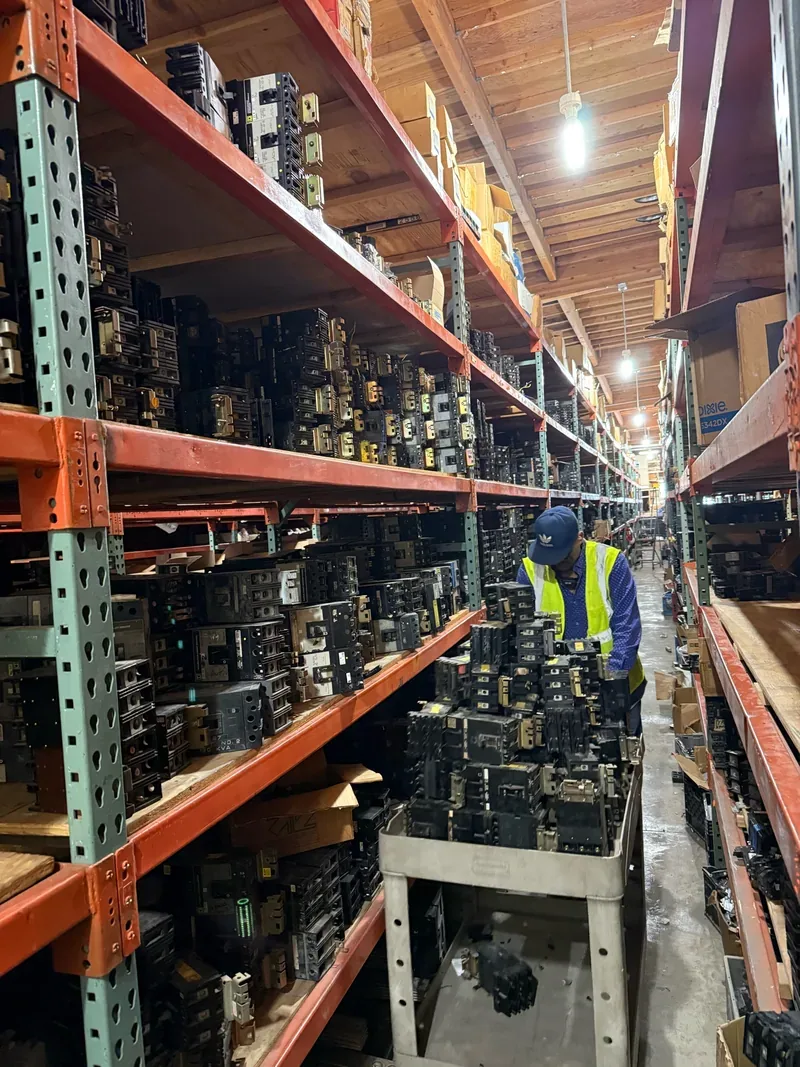
Before any equipment moves, a thorough site assessment dictates the extraction strategy. We evaluate the egress path from the electrical room to the loading area, comparing door and corridor dimensions against the footprint of the specific cubicle sections. Whether dealing with a compact 480V switchboard or a massive 15kV metal-clad lineup, understanding the physical constraints of the facility is the foundation of a safe extraction. Our logistics team reviews the structural layout to identify potential bottlenecks, ensuring that the equipment can be navigated through the building without causing damage to the surrounding infrastructure or the switchgear itself.
Floor loading capacities and elevation changes present significant logistical variables during the removal process. Our assessment identifies whether the equipment must traverse raised floors, navigate tight corners, or require grade-level access versus a standard loading dock. If the switchgear is located in a basement, on a mezzanine, or in a landlocked room, we determine the necessary rigging approach, including whether a temporary wall opening or specialized crane placement is required. By mapping out the exact route from the concrete pad to the transport vehicle, we eliminate surprises on the day of the load-out.
Clear boundaries of scope are established during this planning phase to ensure compliance with facility regulations. We require that all equipment be completely de-energized, locked out, and isolated by the owner's electrician or the local utility prior to our arrival. We explicitly do not perform energized work, utility switching, hazardous material abatement, or structural engineering modifications to the building. Our focus remains strictly on the mechanical dismantling, rigging, and physical extraction of the dead electrical assets, allowing your specialized contractors to handle the facility's live power infrastructure.
Rigging, Load-Out, And Equipment Handling
The physical extraction of heavy electrical equipment demands precise rigging techniques and specialized machinery. Our crews utilize heavy-duty machine skates, hydraulic jacks, and specialized lifting equipment to safely separate and mobilize multi-section switchgear lineups. By carefully dismantling the shipping splits and securing the internal components, such as drawout vacuum interrupters or heavy 5000A copper busbars, we maintain the structural integrity of the gear during movement. This meticulous handling is essential because we intend to resell the equipment as usable electrical infrastructure, not process it as raw material.
Depending on the site environment, we deploy the appropriate material handling equipment to execute the load-out efficiently. This may involve telehandlers for rough terrain navigation, heavy-capacity forklifts for warehouse environments, or mobile cranes for rooftop or complex exterior extractions. Every lift and movement is calculated to prevent damage to the facility infrastructure while keeping the switchgear in a pristine, resellable condition. Because we prioritize the preservation of the equipment during the removal phase, we pay more than scrap value for the assets we acquire.
Operating within active industrial environments requires strict adherence to site-specific protocols and safety standards. Our crews participate in required site-specific safety orientations, comply with badging and escorting mandates, and match the host facility's operational requirements. We provide comprehensive certificates of insurance prior to mobilization, ensuring that the entire physical removal process is fully documented and compliant with your corporate risk management policies. Our personnel are trained to work seamlessly alongside your facility staff, minimizing disruptions to your ongoing operations while the extraction takes place.
Transport, Dunnage, And Logistics
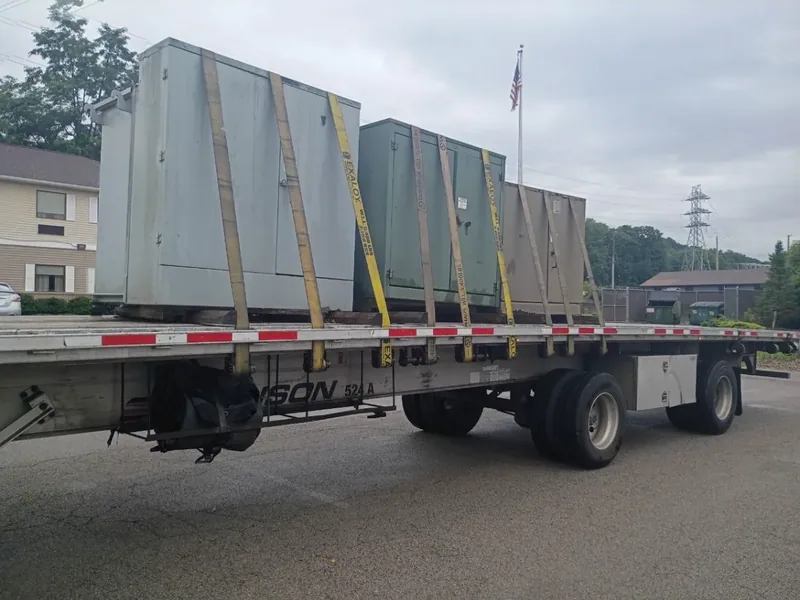
Securing the equipment for over-the-road transport is a critical phase that separates professional electrical buyers from standard demolition contractors. Because we purchase this equipment for reuse rather than metal weight, it must arrive at our facility in the exact condition it left yours. Our crews apply extensive dunnage, custom bracing, and weather protection to secure tall NEMA 1 indoor enclosures and heavy NEMA 3R outdoor walk-in aisle structures against transit vibrations and shifting. Proper load securement prevents internal damage to sensitive relays, metering equipment, and phase barriers during the journey.
We coordinate the appropriate specialized trailers to accommodate the height and weight of industrial switchgear. Standard flatbeds are utilized for lower-profile switchboards and motor control centers, while step-deck or double-drop trailers are deployed for tall 38kV metal-enclosed gear or large unit substations that exceed standard height clearances. This logistical coordination ensures that the equipment complies with all transportation regulations while in transit. By matching the trailer type to the specific dimensions of the switchgear, we optimize the loading process and ensure a secure ride from your facility to ours.
By managing the entire logistical chain with our own personnel, we maintain complete control over the project schedule and execution. We currently operate our removal services across our established footprint in Texas, Florida, New York, Georgia, South Carolina, North Carolina, Virginia, Ohio, Pennsylvania, and Connecticut. This direct approach eliminates third-party delays, allowing facility managers to clear critical floor space efficiently and receive payment upfront before the truck leaves the loading dock. You deal directly with the buyer and the removal team in one unified transaction.
Core Switchgear Removal Capabilities
- Pre-mobilization site access and egress assessment
- Heavy rigging and machine skating of cubicle sections
- Crane lifting and telehandler load-out coordination
- Separation of shipping splits and busbar isolation
- Custom dunnage and transit bracing application
- Flatbed and step-deck trailer transport logistics
- Provision of comprehensive certificates of insurance
- Adherence to site-specific safety and badging protocols
- Complete load-out of de-energized electrical assets
Questions sellers ask
Do your crews disconnect the switchgear from the utility power?
No, we do not perform any energized work or utility switching. The equipment must be completely de-energized, disconnected, and isolated by your licensed electrician or the local utility before our crews arrive. Once the gear is confirmed dead and safe, our team takes over the physical dismantling and load-out.
How do you handle switchgear located on upper floors or rooftops?
We evaluate the specific access constraints during our initial site assessment to determine the safest extraction method. For elevated equipment, we coordinate the necessary mobile cranes, rigging plans, and street closures required to lift the gear safely. Our crews manage the entire physical load-out process from the equipment pad directly to our transport trailers.
Will you provide insurance documentation before starting the removal?
Yes, we provide comprehensive certificates of insurance tailored to meet your facility's specific requirements before any work begins. Our crews also comply with all site-specific safety orientations, badging procedures, and escort rules mandated by your organization. We ensure that our presence aligns seamlessly with your corporate risk management and safety protocols throughout the project.
Ready to move it out?
To initiate the evaluation and removal planning process, please send us clear photos of the equipment nameplates showing the manufacturer, type, voltage class, and bus rating. We also require wide-angle photos of the full switchgear lineup and a brief description of the room's access constraints, such as door sizes or loading dock availability. Contact us at (954) 740-1983 or email your photos directly to electricalequipmentbuyers@gmail.com so we can review the logistics and provide an upfront valuation.