
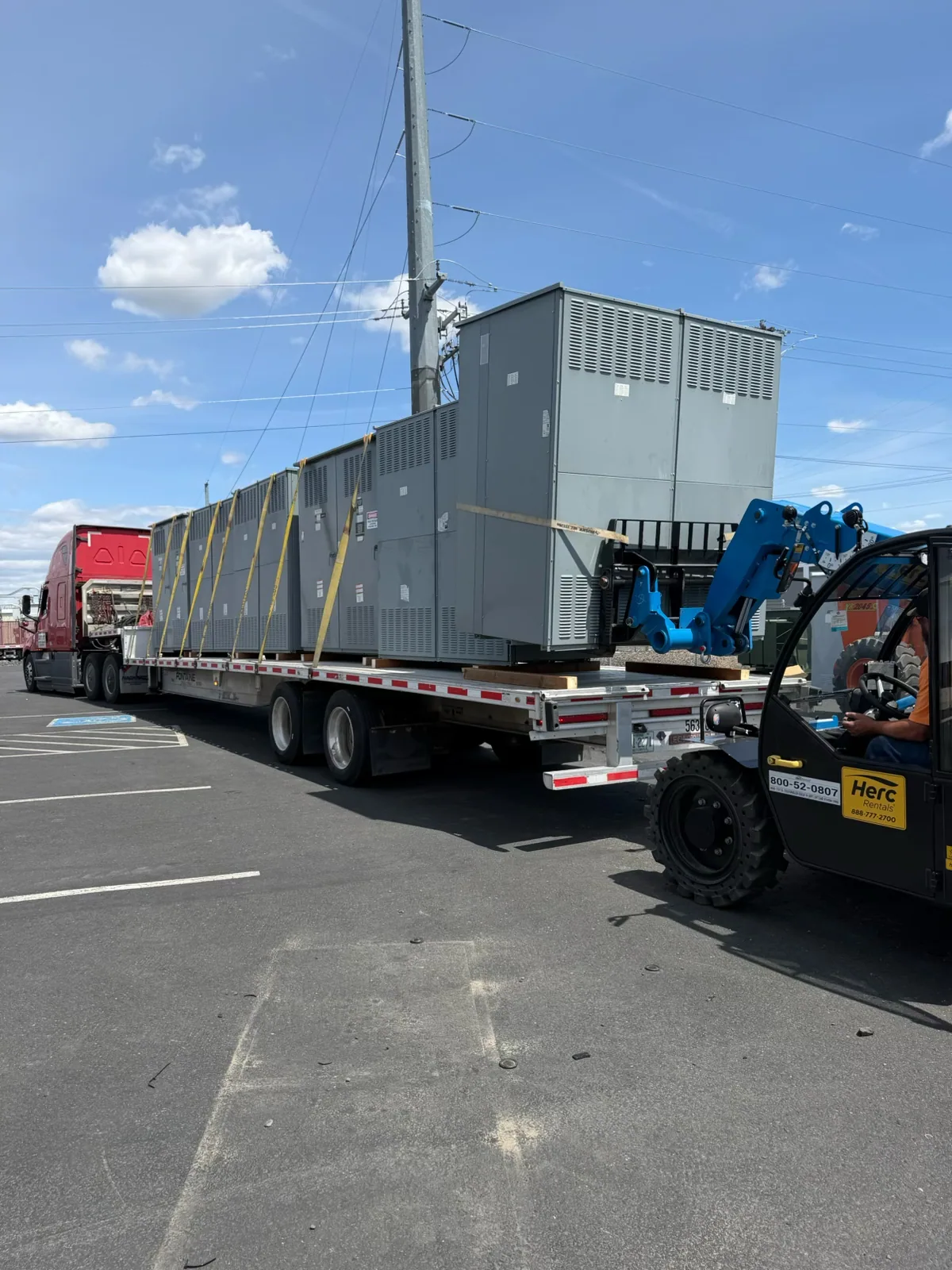
The Physical Design And ANSI/IEEE C37.20.7 Standards
Arc-resistant switchgear represents a significant engineering advancement over standard metal-clad equipment, specifically designed to protect personnel from the catastrophic effects of an internal arcing fault. When an arc flash occurs, the rapidly expanding plasma creates immense pressure and extreme heat within milliseconds, generating a violent explosion inside the electrical cabinet. Standard enclosures can rupture under this sudden mechanical stress, blowing doors off their hinges and exposing operators to severe thermal burns, shrapnel, and acoustic trauma. In contrast, arc-resistant switchgear is engineered and rigorously tested to contain this explosive energy and safely redirect the pressure and hot gases away from the operator. This critical safety capability is defined by the ANSI/IEEE C37.20.7 standard, which establishes the stringent testing protocols, internal fault simulations, and performance criteria that the equipment must successfully meet to earn its arc-resistant rating.
The physical construction of arc-resistant switchgear is notably more robust and complex than conventional alternatives found in standard industrial environments. The enclosures feature heavily reinforced steel walls, specialized pressure-relief flaps, and heavy-duty latching mechanisms on all doors and exterior panels. These components are meticulously designed to remain intact and securely closed during the violent pressure wave of an internal fault, preventing any dangerous breach of the cabinet. The most critical component of this specialized design is the exhaust system, which typically utilizes top-mounted plenums or custom-fitted ducts. When a fault occurs, the rapidly building internal pressure forces the designated relief flaps open, channeling the dangerous gases, molten copper, and plasma upward into the plenum, which then vents the exhaust safely out of the electrical room or building exterior.
Because of this highly specialized construction, the structural integrity of the entire lineup is absolutely paramount for maintaining operational safety. Any unauthorized modification, accidental damage, or missing component can severely compromise the arc-resistant rating, rendering the equipment unsafe and entirely non-compliant with the C37.20.7 standard. When we evaluate used arc-resistant switchgear for purchase, we meticulously inspect the reinforced construction, the condition of the heavy-duty latches, and the completeness of the venting system. Equipment that has maintained its factory structural integrity retains significant value in the secondary market, as it can be safely redeployed to facilities looking to upgrade their electrical safety infrastructure. We pay top dollar for these intact systems because they provide immense value to secondary buyers who require immediate safety upgrades.
Accessibility Types And Reinstallation Requirements
The ANSI/IEEE C37.20.7 standard categorizes arc-resistant switchgear by specific accessibility types, which precisely define the areas around the equipment where personnel are protected during an internal arcing fault. Type 1 provides protection only at the front of the gear, making it suitable for installations where operators will not need to access the sides or rear while the equipment remains energized. Type 2 extends this critical protection to the front, back, and sides of the enclosure, offering a significantly higher level of safety for freestanding lineups located in open electrical rooms where personnel might walk around the equipment. Type 2B provides the most comprehensive protection available, maintaining safety at the front, back, and sides even when the low-voltage instrument compartment door is open, allowing technicians to safely read meters, adjust relays, or perform routine control checks without de-energizing the main bus.
The specific accessibility type of a surplus arc-resistant lineup directly impacts where and how it can be reinstalled, which in turn heavily influences its overall resale value. A Type 2 or Type 2B rating is generally more desirable in the secondary market because it offers greater flexibility for facility engineers planning a new installation or retrofitting an existing space. However, the higher accessibility ratings also require specific room layouts, ceiling heights, and clearances to ensure the exhaust gases can be safely vented without reflecting off nearby walls or ceilings back toward personnel. When we purchase this equipment, we document the accessibility type carefully, as the next user will absolutely need this detailed information to ensure their electrical room meets the strict spatial requirements dictated by that specific safety rating.
Understanding these accessibility types is crucial when our crews are removing and transporting the equipment from your facility. The internal barriers, specialized reinforced doors, and low-voltage compartment isolations that define a Type 2B rating are precisely engineered components that must not be warped, dented, or damaged during the de-installation process. Our specialized crews are extensively trained to handle these heavy, reinforced structures with the exact care required to preserve their C37.20.7 compliance. By maintaining the exact factory configuration of the accessibility features and ensuring no structural deformation occurs during rigging and loading, we ensure the equipment can be successfully reinstalled and certified at its new location, thereby maximizing the financial return we can offer to the selling facility.
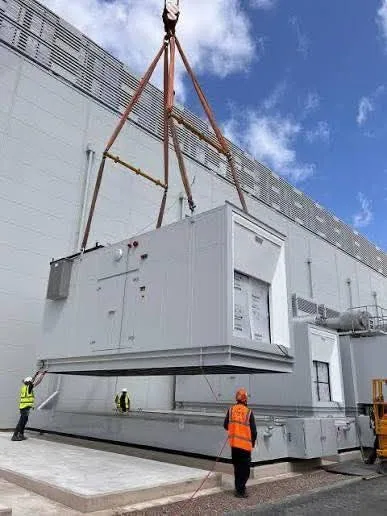
The Commercial Market And Resale Value
The commercial demand for used arc-resistant switchgear is exceptionally strong, driven by a combination of evolving workplace safety regulations and persistently challenging supply chain dynamics. Many industrial facilities, utility substations, and large-scale data centers are actively updating their internal safety programs to mandate arc-resistant equipment for all new installations and major infrastructure upgrades. Simultaneously, the lead times for ordering new arc-resistant lineups from original equipment manufacturers are notoriously long, often stretching well over a year due to the complex manufacturing and testing requirements. This creates a highly competitive secondary market where facility managers are eager to acquire high-quality, pre-owned arc-resistant gear to keep their critical expansion or replacement projects on schedule. Because we resell this equipment as usable electrical infrastructure rather than processing it for base metal weight, we pay more than scrap value and offer top dollar for complete lineups in excellent condition.
To command these premium prices in the secondary market, the surplus switchgear must meet strict physical condition requirements. The most critical factor for resale is the absolute absence of any prior arcing events or internal faults. If a lineup has experienced an internal fault, the structural integrity of the enclosure is permanently compromised, the internal barriers are likely warped, and the equipment is generally reduced to its base material value. Additionally, the complete exhaust system must be present and entirely intact. A lineup missing its top-mounted plenums or custom ducting cannot be sold as arc-resistant, as fabricating replacement venting systems that comply with the original C37.20.7 testing is often economically unfeasible and legally problematic. Undamaged latches, heavy-duty hinges, and exterior panels are also essential, as any deformation can prevent the enclosure from properly containing fault pressure.
When a facility in Texas, Florida, New York, or any of our other service areas decides to retire or replace their arc-resistant switchgear, we provide a streamlined, professional solution that maximizes their financial return. We are a direct buyer, not a scrap yard and not a broker. We purchase the equipment directly, take full title, and deploy our own specialized crews to handle the complex de-installation and removal process. The selling facility receives payment upfront before our trucks ever leave the site, ensuring a secure and efficient transaction. By focusing on the specific technical requirements of arc-resistant gear and preserving its critical safety ratings during removal, we successfully bridge the gap between facilities looking to monetize their surplus assets and industries urgently needing advanced electrical safety equipment to protect their personnel.
Critical Inspection Points For Arc-Resistant Switchgear
- ANSI/IEEE C37.20.7 compliance verification
- Intact top-mounted exhaust plenums and ducting
- Undamaged reinforced doors and heavy-duty latching mechanisms
- Accessibility Type 1, 2, or 2B ratings
- Absence of prior internal arcing events or soot
- Complete low-voltage compartment isolation barriers
- Original manufacturer nameplates with voltage and bus ratings
- Structural integrity of the enclosure and pressure-relief flaps
- Condition of internal venting channels and arc chutes
Other switchgear we buy
Metal-clad
Compartmentalised drawout gear with grounded barriers and automatic shutters. The most resellable medium-voltage category.
Metal-enclosed
Fixed-mounted interrupter switches and power fuses. Common as utility service entrance and primary distribution gear.
Low-voltage
Drawout air-frame power breakers. The breakers themselves usually carry most of the value in the lineup.
Questions sellers ask
Do you buy arc-resistant switchgear that is missing its exhaust plenums?
We do purchase incomplete lineups, but missing exhaust plenums significantly impact the value. Without the original top-mounted plenums or ducting, the equipment cannot maintain its ANSI/IEEE C37.20.7 arc-resistant rating and must often be repurposed as standard metal-clad gear. If you have the plenums stored separately, please include them in your inventory, as complete systems command the highest return.
How does the accessibility type affect the value of our surplus arc-resistant gear?
The accessibility type determines where the equipment can be safely installed in a new facility. Type 2 and Type 2B lineups generally hold higher resale value because they offer protection on all sides, providing the next user with more flexibility in their electrical room layout. However, we actively purchase Type 1 equipment as well, provided it is in excellent structural condition.
What happens if our arc-resistant switchgear has experienced a fault?
If the switchgear has successfully contained an internal arcing fault, it has done its job, but its structural integrity is permanently compromised. We cannot resell faulted arc-resistant gear as usable electrical equipment because it will no longer meet safety standards. In these cases, we will still purchase and remove the equipment, but the valuation will be based on the recoverable components and base materials rather than its original functional purpose.
Ready to move it out?
To sell your surplus arc-resistant switchgear, please send us clear photos of the equipment nameplates showing the manufacturer, type, voltage class, and bus rating. We also need wide-angle photos showing the full lineup, including the top-mounted plenums, and a brief description of the electrical room's access constraints for our removal crews. You can reach our purchasing team directly at (954) 740-1983 or email your photos and details to electricalequipmentbuyers@gmail.com for a prompt evaluation. Please ensure the equipment has been completely de-energized and isolated by your electrician or the utility before our crews arrive to perform the removal.