
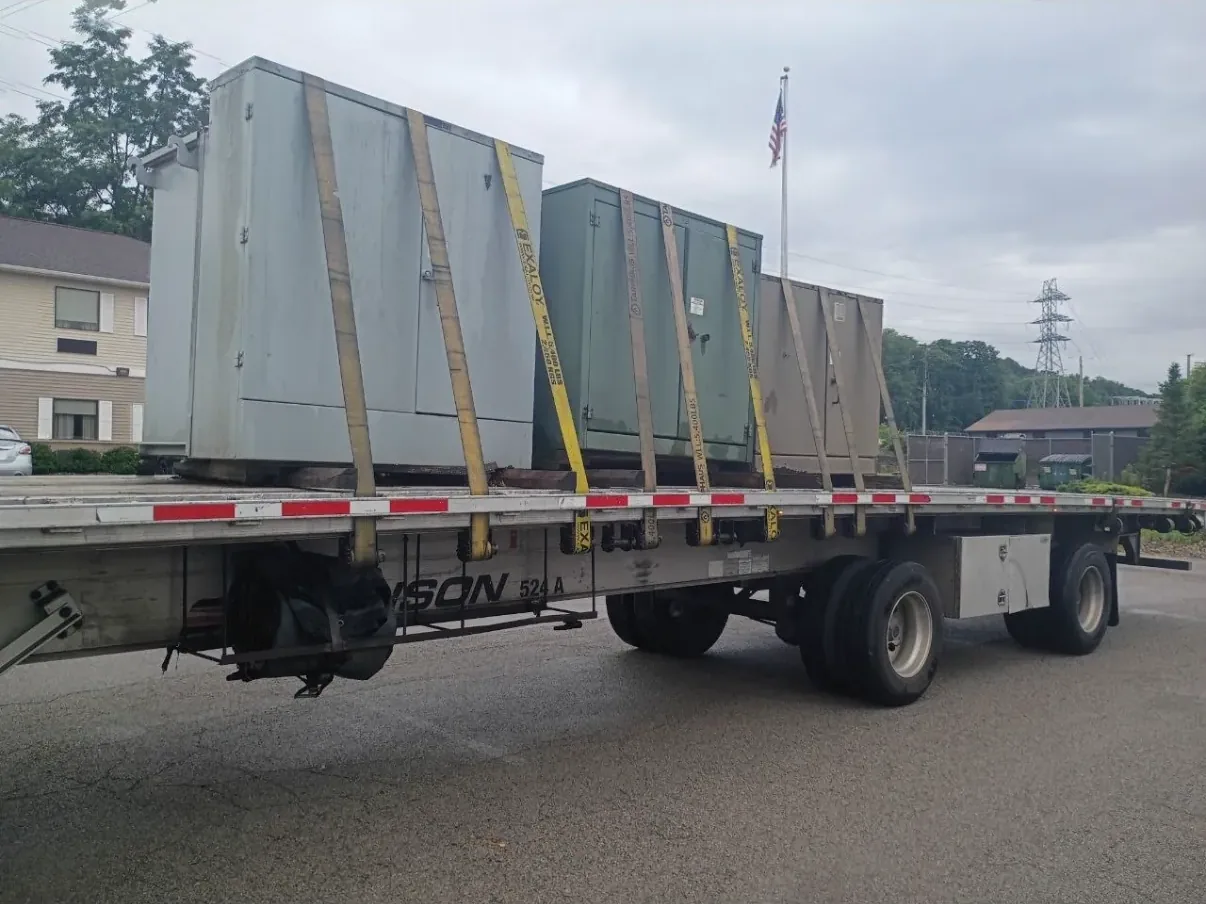
The Commercial Importance Of Accurate Identification
When a facility undergoes a major electrical upgrade, a plant decommissioning, or a complete demolition, the electrical room is often filled with various generations of distribution equipment. To the untrained eye, these gray enclosures might all look like heavy metal boxes destined for the local recycling yard. However, the commercial reality is that accurate identification separates equipment that holds significant resale value from material that is only worth its weight in steel and copper. We are direct buyers who pay upfront for reusable electrical infrastructure, and understanding exactly what you have is the critical first step in our purchasing process. The secondary market for electrical equipment is driven by specific engineering requirements, meaning that a buyer is looking for a precise match for their facility's needs. When you can accurately identify the specifications of your surplus gear, you bridge the gap between a dormant asset and a valuable commodity.
The same electrical room can house a modern vacuum circuit breaker lineup that commands top dollar on the secondary market, sitting right next to an obsolete motor control center that has reached the end of its functional life. Because we resell switchgear as usable electrical equipment rather than processing it as scrap, the specific type, voltage class, and construction standard dictate the market demand. When you can accurately identify your switchgear types, you enable us to evaluate the equipment based on its engineering specifications and operational lifespan, rather than simply estimating its raw material weight. This distinction is vital because the engineering and manufacturing that went into the equipment represent a significant portion of its original cost, and preserving that functionality is how we maximize the return for the seller. A well-maintained lineup of medium-voltage gear is a highly engineered system, and treating it as mere scrap metal destroys its inherent value.
Our crews operate exclusively across Texas, Florida, New York, Georgia, South Carolina, North Carolina, Virginia, Ohio, Pennsylvania, and Connecticut, handling the complete de-installation and removal of the equipment we purchase. Before we dispatch a specialized team to your site, we need to establish the exact specifications of the gear to ensure we bring the right rigging equipment and personnel. This initial identification phase ensures that we can provide an accurate valuation and plan the logistics of the removal process safely and efficiently. By following a structured path to identify your equipment, you streamline the transaction, eliminate guesswork, and maximize the financial return on your surplus electrical assets. We take title to the equipment and handle the heavy lifting, but the process begins with a clear understanding of the assets sitting in your facility.
Following The Identification Path
The most effective way to identify your switchgear is to follow a logical progression starting with the voltage class. The voltage rating is the primary dividing line in electrical distribution equipment, separating low-voltage switchboards rated up to 600V from medium-voltage gear operating at 4.16kV, 5kV, 13.8kV, 15kV, 27kV, or 38kV. This distinction is critical because low-voltage and medium-voltage systems serve entirely different functions within a facility's power distribution network and appeal to different segments of the secondary market. Once the voltage class is established, the next critical distinction is whether the interrupting devices are drawout or fixed-mounted. Drawout breakers can be racked in and out of their cubicles for maintenance, testing, or replacement without de-energizing the entire main bus, a feature highly sought after in continuous-process industrial applications. In contrast, fixed-mounted devices are bolted directly to the busbars and require a complete shutdown for servicing.
After determining the voltage and mounting style, you must identify the construction standard of the enclosures. In the United States, medium-voltage equipment is typically built as metal-clad switchgear per ANSI C37.20.2, which features grounded metal barriers between all major compartments, isolating the incoming bus, the circuit breakers, and the outgoing cables. Alternatively, it may be metal-enclosed switchgear per C37.20.3, which has fewer internal barriers and is often used in less critical applications. Low-voltage distribution is frequently handled by switchboards built to UL 891 standards. Following the construction type, the interrupter technology provides the next layer of necessary detail. Older medium-voltage gear often utilizes air-magnetic circuit breakers, which extinguish arcs using blowout coils and arc chutes, while newer installations rely on compact vacuum interrupters or SF6 gas-insulated systems. Each technology has a distinct secondary market, specific maintenance histories, and unique handling requirements during the removal process.
Finally, the enclosure type indicates whether the equipment was designed for indoor or outdoor use, which significantly impacts its physical footprint and removal logistics. NEMA 1 enclosures are standard for indoor electrical rooms and are typically narrower, while NEMA 3R enclosures are built to withstand outdoor weather conditions. Outdoor gear often features walk-in aisles that allow maintenance personnel to service the equipment while protected from the elements, making these structures substantially larger and heavier. By systematically evaluating the voltage class, mounting style, construction standard, interrupter technology, and enclosure type, you build a complete and accurate profile of your switchgear. This structured approach eliminates ambiguity, prevents miscommunication, and allows our purchasing team to quickly assess the equipment's viability for the used electrical market, leading to a faster and more accurate purchase offer.
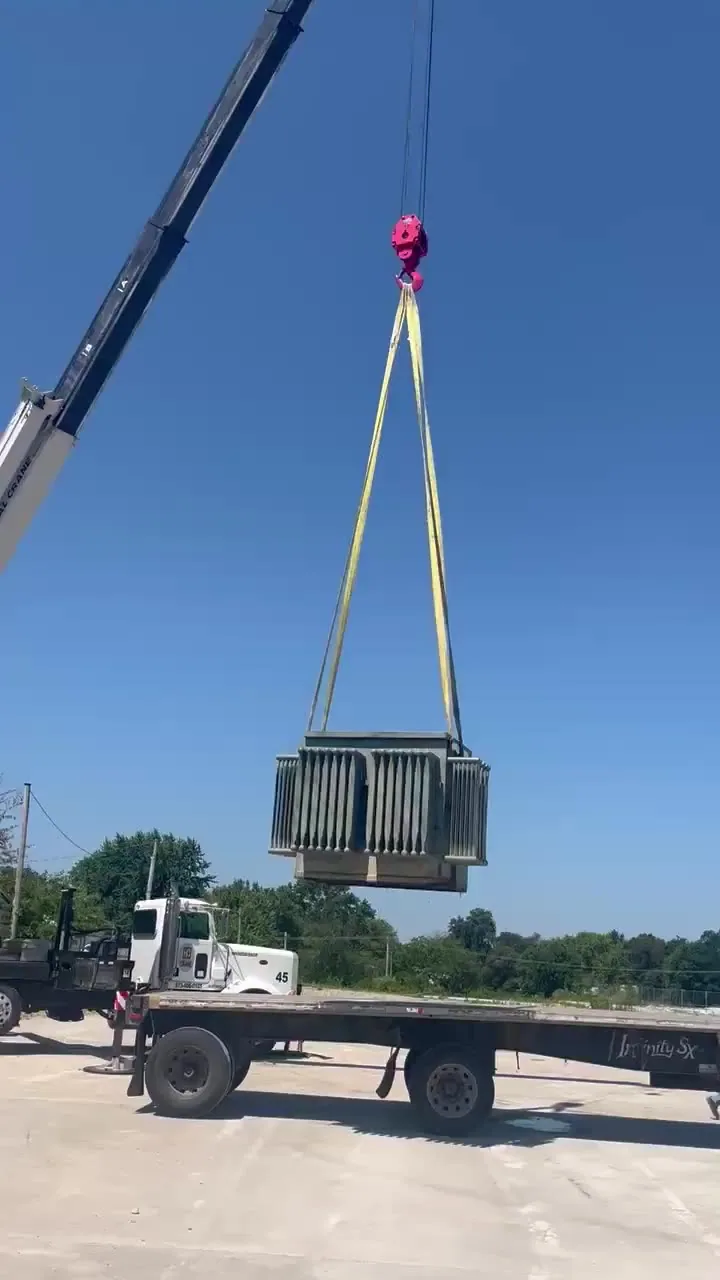
Switchgear we buy
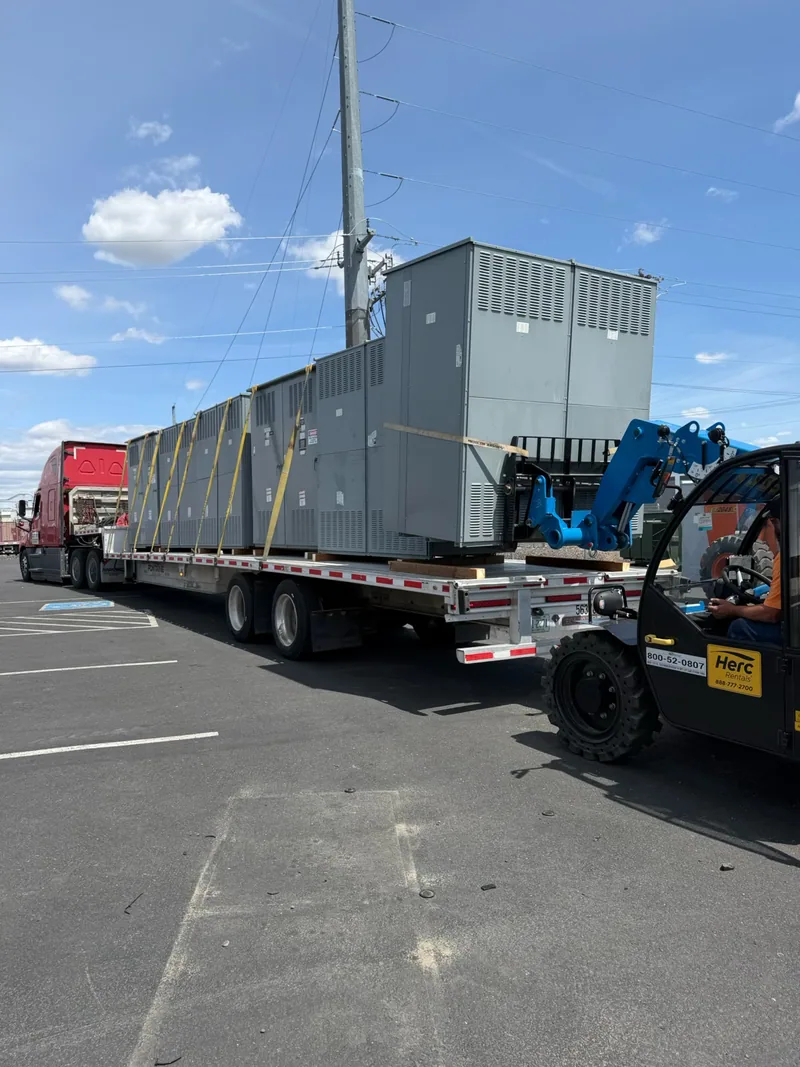
Metal-clad
Compartmentalised drawout gear with grounded barriers and automatic shutters. The most resellable medium-voltage category.
4.16–38 kV · ANSI C37.20.2
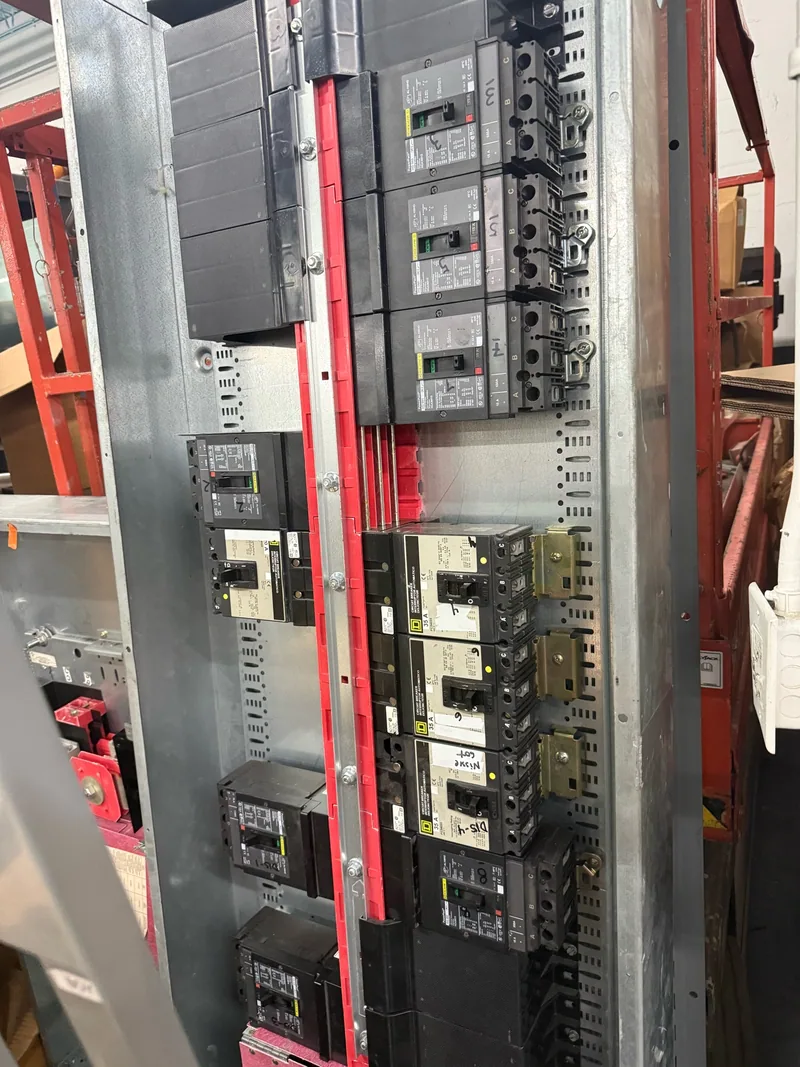
Metal-enclosed
Fixed-mounted interrupter switches and power fuses. Common as utility service entrance and primary distribution gear.
5–38 kV · ANSI C37.20.3
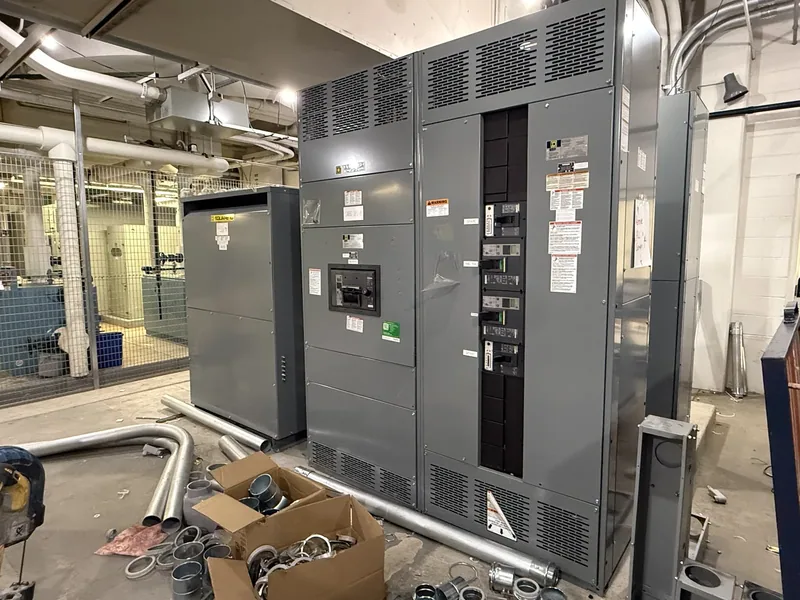
Low-voltage
Drawout air-frame power breakers. The breakers themselves usually carry most of the value in the lineup.
208–600 V · 800–5000 A
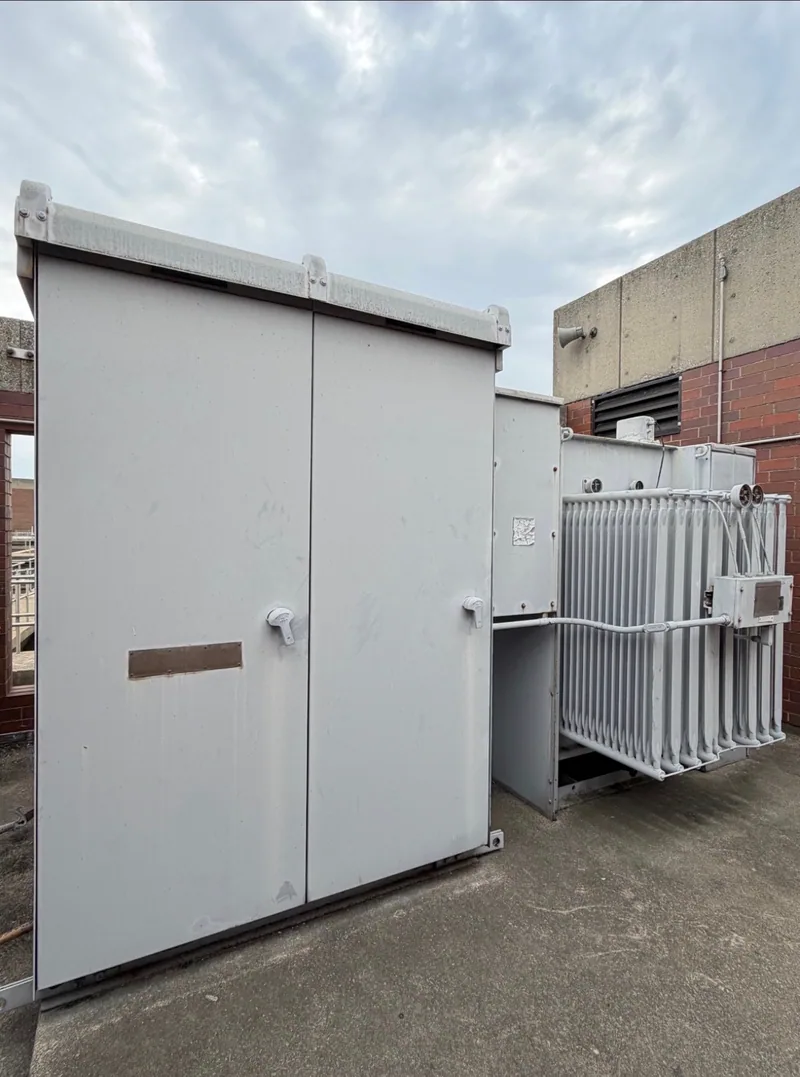
Medium-voltage
The whole medium-voltage band, from 4.16 kV motor service through 38 kV utility class distribution.
4.16–38 kV
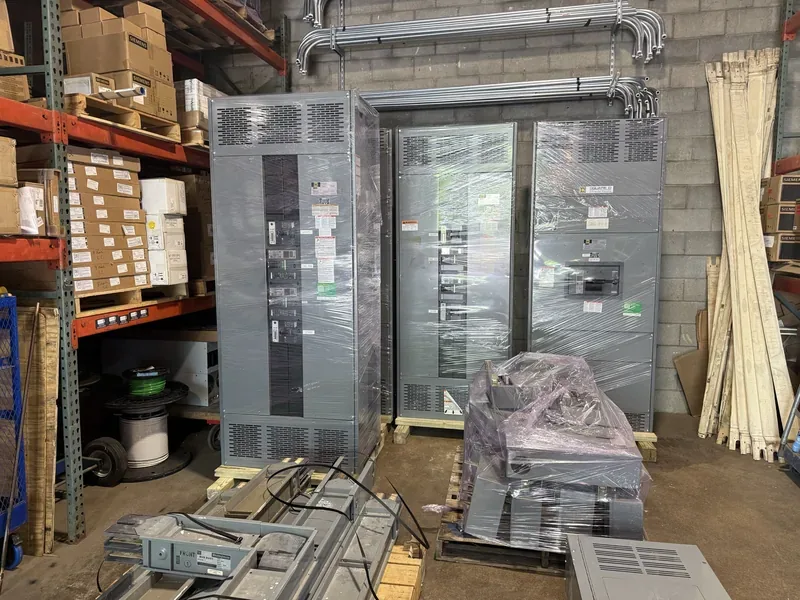
Drawout
Racking breakers, primary stabs and shutters. The drawout design drives resale value more than any other feature.
Removable element
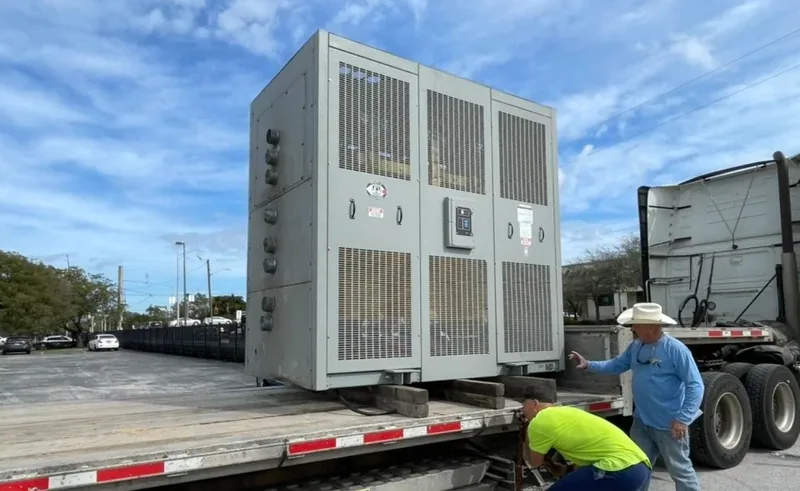
Fixed-mount
Non-drawout construction where devices are bolted in place and the value sits in the breakers, bus and enclosure.
Bolted devices
Arc-resistant
Pressure-containing construction with top plenums. Long lead times on new units make used lineups sought after.
ANSI C37.20.7
Outdoor / NEMA 3R
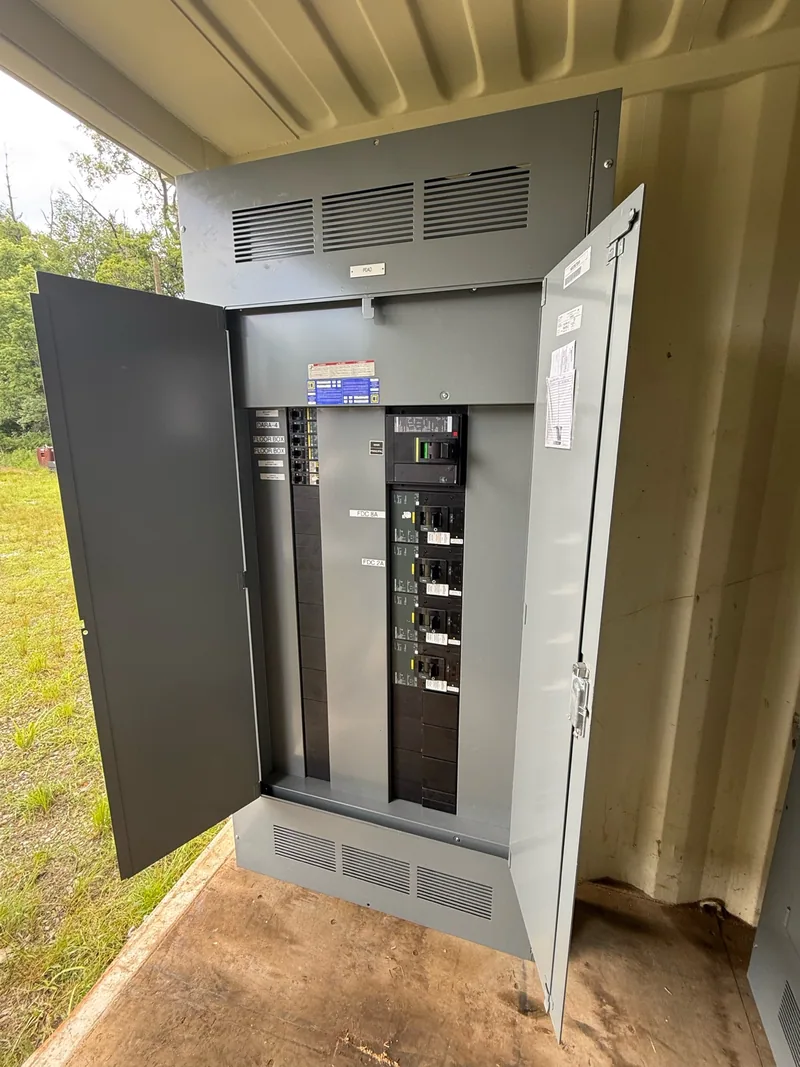
Weatherproof and walk-in aisle structures, where exposure history decides whether it is resale or metal.
Walk-in and non-walk-in
Unit substations
Primary switch, transformer and secondary gear close-coupled as one assembly, with three different resale profiles.
Primary · XFMR · secondary
Switchboards
Front-accessible service entrance and distribution boards using molded-case and insulated-case devices.
UL 891 · to 600 V
Load-interrupter
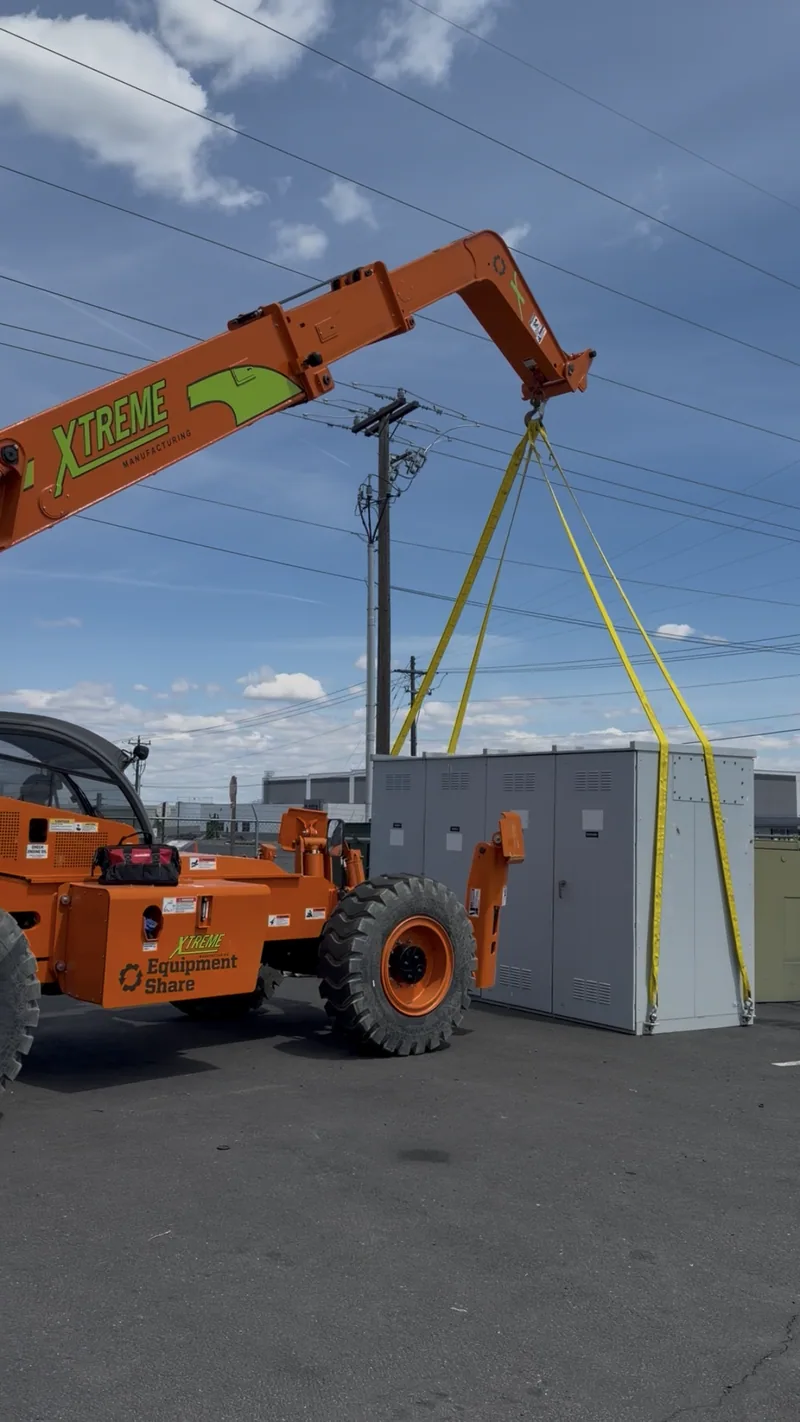
Medium-voltage gear built around a load-break switch with power fuses rather than a power circuit breaker.
Switch and fuse
Vacuum
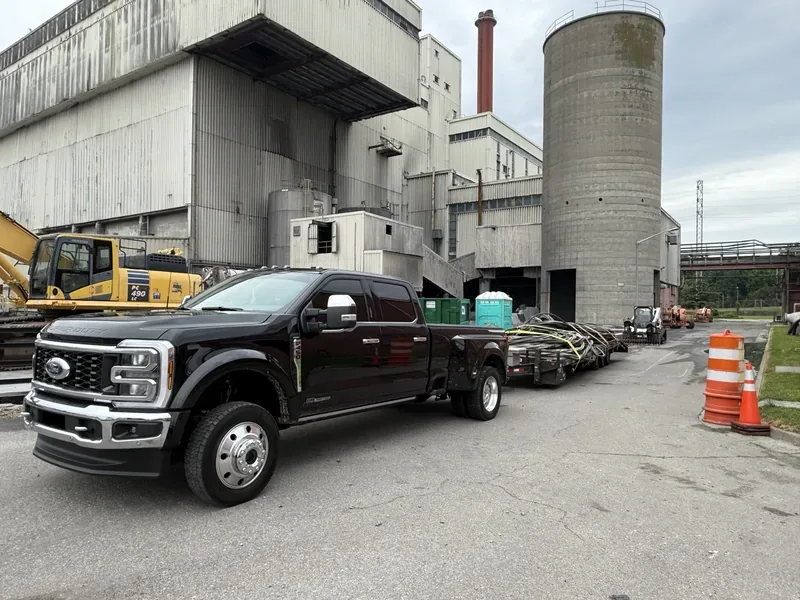
The dominant modern medium-voltage interrupter. Compact, supported, and actively bought as replacement stock.
Sealed interrupter
Air-magnetic
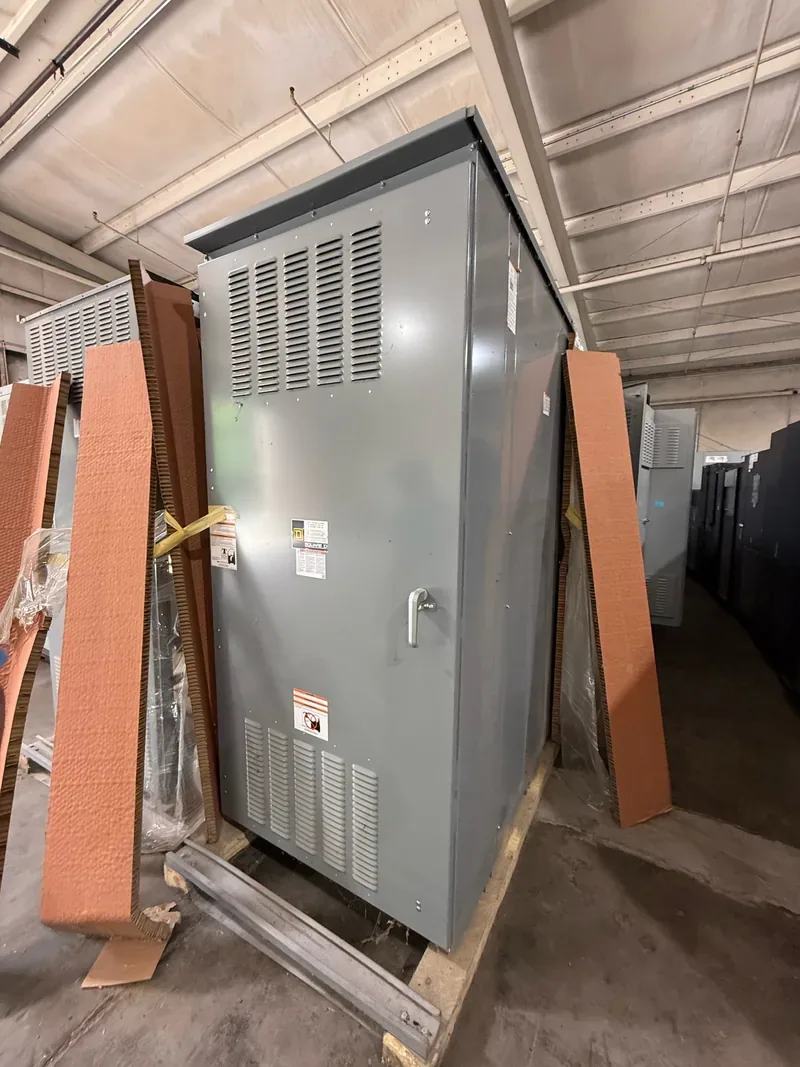
The pre-vacuum technology. Long discontinued but still in service, which is exactly why matched units hold value.
Arc chute · legacy
Gas-insulated / SF6
SF6-insulated equipment. The gas is regulated and must be recovered rather than vented, which changes the removal plan.
GIS · recovered gas
The Role Of The Equipment Nameplate
While understanding the identification path is incredibly valuable for facility managers, the most definitive source of information for any piece of electrical equipment is the manufacturer's nameplate. The nameplate is a metal or heavy-duty plastic tag permanently riveted to the exterior of the switchgear enclosure, usually located on the front door of the main incoming section or prominently displayed on the individual breaker cubicles. This tag contains the authoritative engineering data required to evaluate the equipment, including the original manufacturer, the specific product family or type designation, the maximum voltage rating, the continuous current bus rating in amperes, and the short-circuit interrupting capacity. It serves as the birth certificate for the equipment, providing the exact specifications that engineers and buyers rely upon when sourcing replacement gear or expanding existing electrical systems.
A single, clear photograph of this nameplate often answers the majority of the technical questions our purchasing team will have about your equipment. Instead of attempting to manually transcribe complex alphanumeric catalog numbers, which can easily lead to errors, capturing a high-resolution image ensures that no critical details are lost or misinterpreted. The nameplate data allows us to immediately cross-reference the equipment against our current inventory needs and secondary market demand. It tells us exactly what standards the gear was built to and provides the manufacturing date, which helps us determine the availability of replacement parts and the overall lifecycle stage of the equipment. In many cases, the nameplate will also indicate if the gear is arc-resistant per C37.20.7, a premium safety feature that significantly increases the resale value of the lineup.
When preparing to sell your surplus switchgear, locating and documenting the nameplates should be your absolute first priority before contacting a buyer. In addition to the main lineup nameplate, individual circuit breakers within the gear will have their own specific nameplates detailing their frame size, trip unit type, and operational ratings. Providing clear photos of these tags, along with wide-angle shots showing the overall condition and configuration of the lineup, gives us the comprehensive view needed to make a firm, upfront purchase offer. Remember that all equipment must be completely de-energized and isolated by your facility's electrician or the local utility before our crews arrive to perform the removal. We do not perform energized work, utility switching, or hazardous material abatement, so ensuring the gear is safe to handle is a prerequisite for our specialized removal teams to begin their work.
Common Switchgear Types We Purchase
- Low-Voltage Switchboards
- Medium-Voltage Metal-Clad Switchgear
- Medium-Voltage Metal-Enclosed Switchgear
- Drawout Circuit Breaker Lineups
- Fixed-Mount Switchgear
- Vacuum Interrupter Switchgear
- Air-Magnetic Circuit Breaker Gear
- SF6 Gas-Insulated Switchgear
- Outdoor Walk-In Enclosures
By manufacturer
Square D / Schneider
Masterclad · Power-Zone · QED
Eaton / Cutler-Hammer
VacClad-W · Magnum DS
General Electric
AKD · Power/Vac · Magne-Blast
Siemens / Allis-Chalmers
GM-SG · WL · RL
ABB / ITE
Advac · SafeGear · K-Line
Westinghouse
DS · DSII · DHP · DH
Questions sellers ask
How do I find the voltage class of my switchgear?
The voltage class is prominently displayed on the manufacturer's nameplate located on the exterior of the enclosure. It will typically be listed as a maximum voltage rating, such as 600V for low-voltage equipment or 5kV, 15kV, or 38kV for medium-voltage gear. If the main nameplate is missing, the individual circuit breakers inside the lineup will also have their voltage ratings clearly marked on their respective tags.
What is the difference between metal-clad and metal-enclosed switchgear?
Metal-clad switchgear, built to ANSI C37.20.2 standards, features grounded metal barriers that isolate all major compartments, such as the busbar, circuit breaker, and cable sections. Metal-enclosed switchgear, built to ANSI C37.20.3, lacks these extensive internal barriers and typically houses fixed-mounted interrupting devices rather than drawout breakers. Metal-clad construction is generally more robust and commands a higher resale value due to its enhanced safety and maintenance features.
Do I need to know the exact interrupter technology to sell my equipment?
While knowing whether your gear uses vacuum, air-magnetic, or SF6 interrupters is helpful, it is not strictly required if you can provide clear photographs of the equipment and its nameplates. Our purchasing team can easily identify the interrupter technology based on the manufacturer, the model number, and visual inspection of the breaker cubicles. Providing comprehensive photos allows us to determine the technology and accurately assess the equipment's value on the secondary market.
Ready to move it out?
To receive a purchase offer for your surplus electrical equipment, please send us clear photos of the main switchgear nameplate showing the manufacturer, type, voltage class, and bus rating. We also need a wide-angle photo of the full lineup to understand its configuration, along with a brief description of the electrical room's access constraints for our removal crews. You can reach our purchasing team directly by calling (954) 740-1983 or by sending your photographs and facility details to electricalequipmentbuyers@gmail.com.