
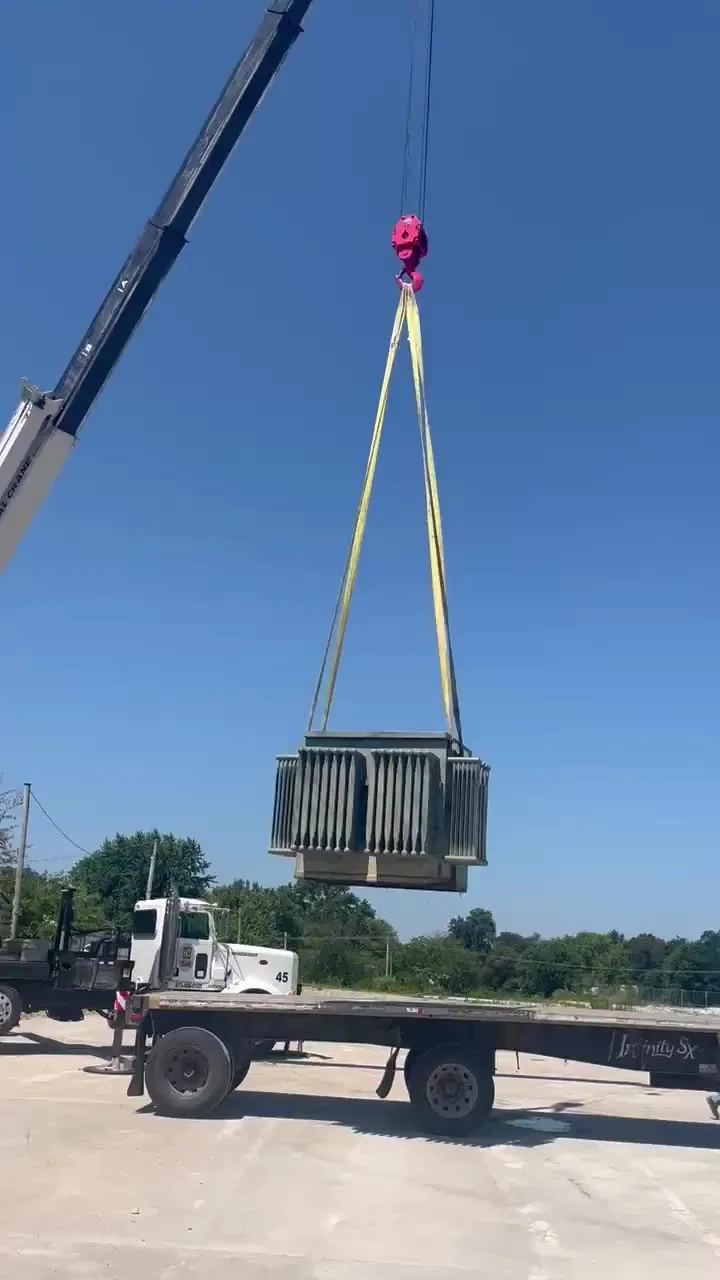
Why Discontinued Switchgear Often Holds Premium Value
The counter-intuitive reality of the secondary electrical market is that older equipment does not automatically equate to worthless equipment. When a major manufacturer discontinues a specific switchgear lineup, the industrial facilities still operating that equipment face a significant and immediate maintenance challenge. They can no longer purchase new vertical sections, replacement drawout breakers, or OEM spare parts to maintain their existing infrastructure. Because replacing an entire unit substation or a massive motor control center is a multimillion-dollar capital expense requiring extensive engineering studies, facility downtime, and complete rewiring, plant engineers will go to great lengths to keep their current systems operational. This dynamic creates a robust secondary market where your retired equipment becomes the exact solution another facility desperately needs to avoid a massive rip-and-replace project.
The financial value of obsolete switchgear is driven entirely by the demands of this remaining installed base. A matched drawout breaker from a long-discontinued family can sometimes be the single most valuable item in an electrical room, simply because it is the only component that can restore power to a critical production line. For example, legacy air-magnetic breakers from the Westinghouse DS and DB series, or the highly durable ITE and Gould K-line, remain heavily sought after by industrial plants that standardized on these platforms decades ago. When we evaluate your decommissioned lineup, we are looking at the specific frame sizes, solid-state trip units, and bus ratings to determine how perfectly they align with the current demands of facilities operating these exact vintage systems.
We pay more than scrap value because we recognize this equipment as usable electrical infrastructure, not just heavy metal waiting to be melted down. A standard demolition contractor might look at a row of old Allis-Chalmers or early generation GE metal-clad switchgear and see only the copper busbar and steel enclosures. We see the intact vacuum interrupters, the hard-to-find operating mechanisms, and the proprietary control components that another facility engineer is currently searching for. By recovering these units intact and preserving the integrity of the ANSI C37.20.2 metal-clad structures, we provide a financial return to the seller that accurately reflects the equipment's true utility in the industrial market.
Identifying High-Demand Legacy Equipment Families
Certain discontinued product lines maintain a particularly strong presence in the heavy industrial sector, making them highly desirable during a facility teardown or electrical upgrade. Older Square D lineups, early Siemens energy management systems, and specific Cutler-Hammer motor control centers are prime examples of equipment that retains significant secondary market appeal. The key factor is the original market penetration of the product line. Heavy industries like pulp and paper, steel manufacturing, and petrochemical refining built massive facilities in the twentieth century using these legacy systems. Because these plants operate continuously and rely on a steady supply of discontinued components to maintain their 480V and 600V distribution networks, there is a continuous demand for compatible replacement sections and spare breakers.
The physical construction of the switchgear also plays a major role in its viability for recovery and reuse. Drawout configurations are especially valuable because the breakers can be easily removed, reconditioned, and shipped to a facility experiencing a sudden failure. Fixed-mount systems can also hold value, but they often require more extensive matching of the entire enclosure and bus structure. When our crews arrive at your facility in Texas, Florida, New York, Georgia, South Carolina, North Carolina, Virginia, Ohio, Pennsylvania, or Connecticut, they treat the removal as a precision recovery operation. They are trained to carefully extract these specific components without damaging the primary disconnect fingers, secondary control contacts, or the critical alignment mechanisms that make them reusable.
This precision requirement is precisely why the nameplate data is the most critical piece of information you can provide when looking to sell obsolete switchgear. A wide photograph of a gray metal cabinet tells us very little about the internal components or the specific vintage of the equipment. The manufacturer's nameplate reveals the exact type, voltage class, continuous current rating, and manufacturing series. A Westinghouse DB-50 is vastly different from a DB-25, and the continuous current rating dictates the equipment's compatibility with an existing lineup. This data allows us to instantly cross-reference your equipment against the known installed base and determine whether your discontinued lineup contains the specific breakers that command top dollar.
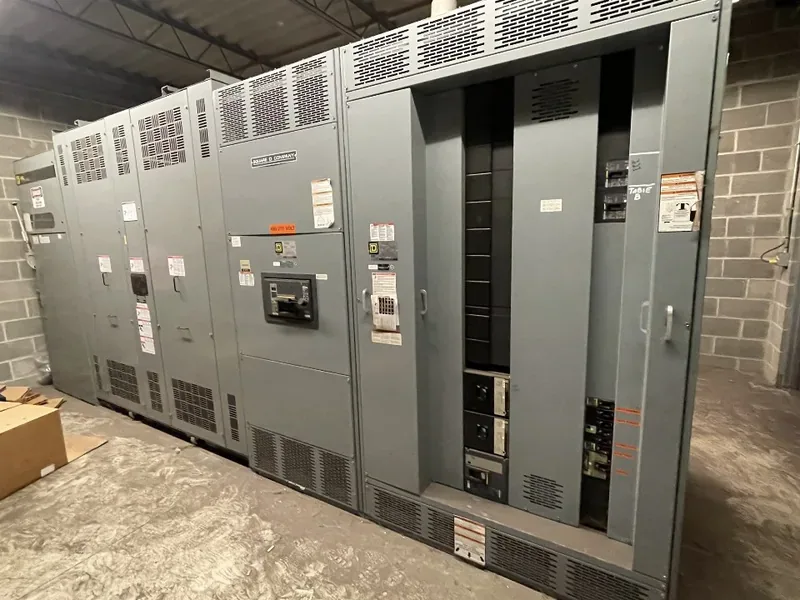
The Limits Of Vintage Electrical Equipment Recovery
While many discontinued lines hold significant value, it is important to be transparent about the strict limitations of the secondary electrical market. Not all old switchgear can be repurposed, and the most absolute barrier to recovery is severe physical degradation. Equipment that has sustained a severe arc-flash event often suffers from carbonized insulation and warped busbars, rendering the equipment useless for anything other than scrap. Similarly, water damage from roof leaks or facility flooding corrodes the delicate operating mechanisms of air-magnetic breakers, making them entirely unsafe to recondition. Regardless of how rare or sought-after the original product line might be, damaged units must be relegated to material recycling rather than electrical reuse.
Environmental and safety regulations also strictly dictate which vintage systems can be safely recovered and reintroduced into the market. Some very old electrical equipment, particularly certain types of transformers associated with older unit substations, may contain polychlorinated biphenyls (PCBs) or asbestos insulating materials. As a responsible buyer, we strictly adhere to all environmental guidelines regarding the handling and transport of hazardous materials. If a lineup is identified as containing these restricted substances, it cannot be resold into the secondary market and must be handled through specialized environmental disposal channels, which fundamentally alters the financial equation of the removal project.
Finally, market demand is the ultimate arbiter of value for any discontinued electrical equipment. There are certain obscure or highly specialized switchgear lines that simply have no remaining installed base. If the facilities that originally utilized a specific 15kV or 38kV system have all modernized, shut down, or transitioned to newer arc-resistant designs per ANSI C37.20.7, there is no one left to purchase the reconditioned spares. In these situations, even pristine equipment may only hold value based on its raw material weight. Our evaluation process is designed to give you a clear, upfront assessment of where your specific equipment stands, ensuring you understand exactly why a particular lineup is being purchased for reuse versus being processed for its base materials.
Highly Sought-After Discontinued Switchgear Lines
- Westinghouse DS and DB series drawout breakers
- ITE and Gould K-line low voltage switchgear
- Allis-Chalmers metal-clad lineups
- Early generation GE Power-Vac systems
- Older Square D motor control centers
- Legacy Siemens and Allis-Chalmers 5kV to 15kV gear
- Cutler-Hammer vintage unit substations
- Federal Pacific (FPE) industrial breakers
- Zinsco commercial switchboards
Related seller guides
Who buys used switchgear
Facility managers and demolition contractors looking to offload retired electrical infrastructure often wonder who act…
Used switchgear grading
When facility managers and demolition contractors prepare to sell used switchgear, understanding how the equipment is …
By voltage class
The voltage class printed on your equipment nameplate is the single most critical factor in determining its resale mar…
Questions sellers ask
Do you buy obsolete switchgear that has been sitting idle for years?
Yes, we frequently purchase discontinued electrical equipment that has been out of service for extended periods. As long as the switchgear has been stored in a dry, climate-controlled environment and has not suffered water damage or severe corrosion, the internal components often remain viable for reconditioning. We evaluate the equipment based on its manufacturer, series, and the current demand from the installed base rather than the length of time it has been offline.
How do you handle the removal of heavy vintage switchgear?
We deploy our own specialized crews to handle the complete de-installation and rigging of your retired equipment. Once your facility's electrician or the local utility has fully de-energized and isolated the system, our team takes over the physical extraction. We manage all the heavy lifting, loading, and transportation, ensuring the equipment is removed safely without disrupting your ongoing plant operations.
Why do you need a photo of the nameplate before making an offer?
The nameplate provides the exact technical specifications required to determine the equipment's value in the secondary market. Because obsolete switchgear is purchased to support specific existing installations, we must know the exact manufacturer, frame size, voltage class, and bus rating. A clear photo of the nameplate allows us to confirm these details immediately and offer you the highest possible return for your specific discontinued lineup.
Ready to move it out?
To receive an upfront purchase offer for your discontinued electrical equipment, please send us clear photos of the manufacturer nameplates showing the type, voltage class, and bus rating, along with a wide photo of the complete lineup and a brief description of the electrical room's access constraints. You can reach our evaluation team directly at (954) 740-1983 or email your equipment details to electricalequipmentbuyers@gmail.com to start the process.