
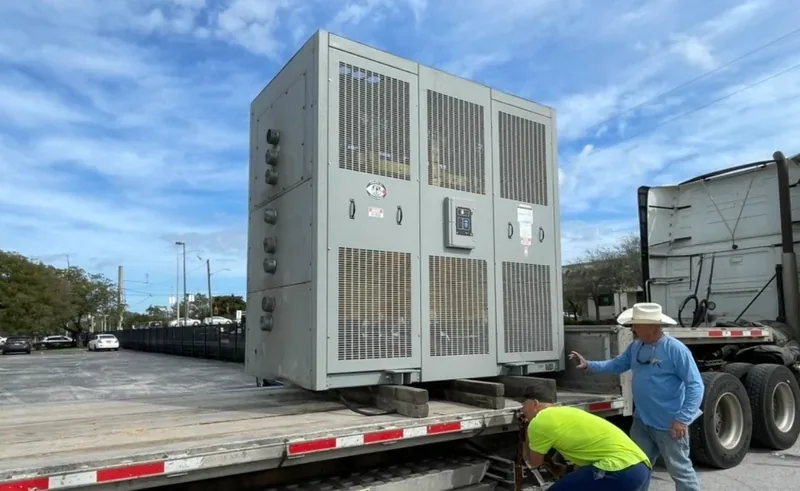
The Role and Value of Non-Drawout Construction
Fixed-mount switchgear and switchboards are specified for facilities where the higher initial cost and complexity of drawout breakers are unnecessary. In these non-drawout designs, the circuit breakers and fusible switches are bolted directly to the internal busbars. This simpler construction reduces the physical footprint of the equipment and significantly lowers the first cost of the electrical installation. Facility engineers and electrical designers often select fixed-mount equipment for service entrance applications and secondary distribution duty where scheduled maintenance downtime is acceptable. Because the facility does not require continuous operation during breaker replacement, the investment in drawout capabilities cannot be justified. The fixed-mount design provides a reliable, cost-effective solution for distributing power throughout commercial buildings, light industrial plants, and institutional facilities. The straightforward architecture minimizes moving parts, which can reduce mechanical failures over the lifespan of the equipment, provided that the bolted connections are properly maintained.
Because the devices cannot be racked out while the bus remains energized, working on fixed-mount switchgear requires a complete shutdown of the affected section or the entire lineup. This operational constraint means that fixed-mount lineups are typically found in environments where power interruptions can be scheduled during off-hours, rather than in mission-critical data centers or continuous process manufacturing plants where uptime is paramount. Despite the maintenance limitations associated with requiring a de-energized state for service, the robust bolted connections provide excellent reliability and high fault current withstand capabilities for standard distribution needs. The permanent nature of the connections ensures a solid electrical path, reducing the risk of poor contact that can sometimes occur with misaligned drawout mechanisms. When properly specified, these switchboards deliver decades of dependable service, managing the flow of electricity safely and efficiently.
When a facility upgrades its electrical infrastructure, undergoes a major renovation, or faces complete demolition, these fixed-mount switchboards are often retired from active service. We purchase this surplus and used equipment directly from the facility owner, electrical contractor, or demolition firm. Instead of treating the heavy gear simply as scrap metal destined for the recycling yard, we evaluate the reusable components and the structural integrity of the entire lineup. By reselling the equipment as usable electrical infrastructure to other facilities that need cost-effective power distribution, we pay more than scrap value and provide a complete removal solution for the seller. Our direct purchasing approach eliminates the uncertainty of dealing with brokers, ensuring that you receive top dollar for your retired assets while transferring the burden of de-installation and transportation to our experienced teams.
Resale Reality for Fixed-Mount Equipment
The secondary market for fixed-mount switchgear operates quite differently than the market for drawout equipment, and understanding this distinction is crucial for sellers. Without easily removable elements that can be sold individually to facilities needing quick spares, the gear typically sells as a complete structure with the devices permanently attached. Consequently, the resale value concentrates heavily in the specific molded-case and insulated-case breakers installed in the lineup, along with the copper or aluminum buswork and the physical enclosure itself. If the installed breakers are highly sought after by other facilities looking to match existing infrastructure, the entire section retains significant value as a reusable asset. Buyers in the secondary market are often looking for complete, intact sections that can be integrated into their electrical systems with minimal modification, making the condition of the bolted assemblies a primary factor in our valuation process.
However, we evaluate the resale reality honestly when making an offer on your surplus equipment. If the fixed-mount switchboard contains obsolete breakers that are no longer supported, low-demand configurations that do not match modern facility requirements, or severe environmental degradation such as rust or water damage, the secondary market demand drops sharply. In cases where the internal components have no viable reuse potential or the cost of refurbishment exceeds the market price, the equipment may only be worth its base metal value. We meticulously assess the manufacturer, the voltage class, the bus rating, and the specific breaker models to determine whether the lineup can be refurbished and resold or if it must be processed for material recovery. This transparent evaluation ensures that our offer accurately reflects the true market position of your specific fixed-mount switchgear.
Our direct purchasing model means we take title to the equipment and pay the seller upfront before our truck ever leaves the site. We are not a broker waiting to find an end-user before committing to the transaction; we acquire the switchgear directly for our own inventory. This straightforward, decisive transaction allows facility managers and demolition contractors to monetize their surplus electrical assets quickly and with absolute confidence. Whether the fixed-mount gear holds premium resale value due to desirable late-model breakers or basic material worth due to age and obsolescence, we provide a clear, competitive offer and handle the complex logistics of getting it out of your building. By working directly with a buyer that understands the nuances of non-drawout construction, you avoid the delays and complications often associated with third-party intermediaries.
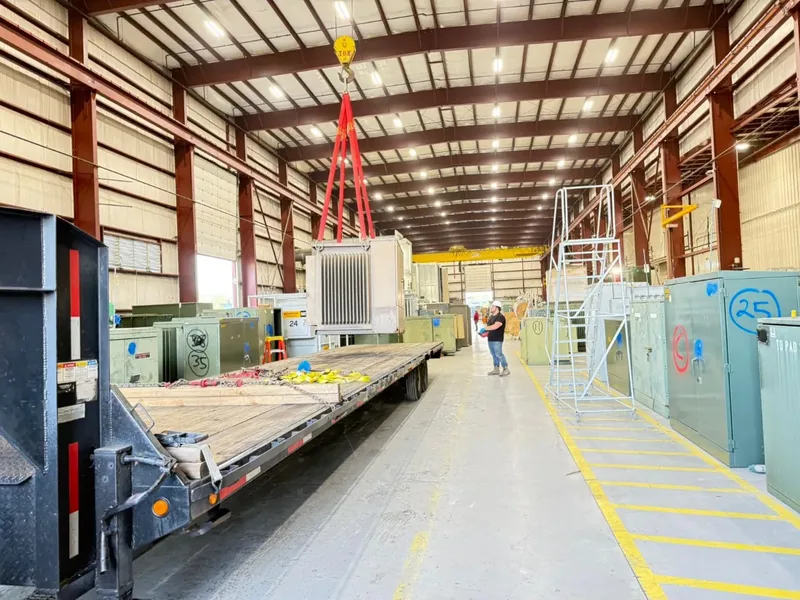
Removal Logistics for Bolted Assemblies
The physical construction of fixed-mount switchgear creates specific, unavoidable challenges during the de-installation and removal process. Unlike drawout lineups where heavy circuit breakers can be racked out and removed individually to significantly lighten the load of the main structure, fixed-mount sections are often substantially heavier and more awkward to handle. The breakers remain bolted in place within the enclosure, meaning our crews must move larger, heavier assemblies intact. This added weight and bulk directly affect the removal plan, dictate the type of rigging equipment required, and ultimately influence the purchase offer we can make. Moving a fully loaded switchboard section requires specialized jacks, heavy-duty skates, and precise coordination to ensure the equipment is extracted safely without causing damage to the facility's floors, walls, or remaining infrastructure.
Before our crews arrive on site to begin the extraction, the equipment must be completely de-energized and isolated by the owner's electrician or the local utility provider, as we strictly do not perform energized work, utility switching, or hazardous material abatement. Once the system is confirmed safe and locked out, our specialized teams dismantle the factory shipping splits and prepare the heavy sections for extraction. Navigating these bulky, unyielding structures through tight electrical rooms, narrow hallways, and challenging loading docks requires careful planning and highly experienced personnel. We operate our own dedicated removal crews across Texas, Florida, New York, Georgia, South Carolina, North Carolina, Virginia, Ohio, Pennsylvania, and Connecticut, bringing the right tools and expertise to safely extract these bolted assemblies from even the most difficult environments.
Because fixed-mount sections are inherently difficult to split into smaller pieces without destroying the internal buswork and rendering the equipment useless for resale, the removal path must accommodate the dimensions of the intact enclosures. We factor these logistical constraints into our initial evaluation, carefully reviewing the access routes and potential obstacles before finalizing our approach. By managing the entire process from the initial valuation to the final rigging, loading, and hauling, we relieve the seller of the significant burden of moving heavy electrical infrastructure. Our comprehensive, turnkey approach ensures that the fixed-mount switchgear is removed efficiently and professionally, allowing your renovation, upgrade, or demolition project to proceed on schedule without unnecessary delays or unexpected complications.
Key Inspection Points for Fixed-Mount Switchgear
- Main bus ampacity and material composition
- Molded-case breaker frame sizes and trip units
- Insulated-case breaker models and ratings
- Enclosure NEMA rating and physical condition
- Bolted connection integrity and thermal damage
- Service entrance labeling and grounding provisions
- Ground fault protection relay configurations
- Metering compartment layout and instrumentation
- Shipping split locations and section dimensions
Other switchgear we buy
Metal-clad
Compartmentalised drawout gear with grounded barriers and automatic shutters. The most resellable medium-voltage category.
Metal-enclosed
Fixed-mounted interrupter switches and power fuses. Common as utility service entrance and primary distribution gear.
Low-voltage
Drawout air-frame power breakers. The breakers themselves usually carry most of the value in the lineup.
Questions sellers ask
How do you value fixed-mount switchgear compared to drawout types?
Fixed-mount switchgear is generally valued based on the complete assembly rather than individual removable components. Because the breakers are bolted in place, the value concentrates in the specific molded-case or insulated-case breakers, the buswork, and the enclosure. If the installed devices are in high demand, the lineup retains strong resale value. If the components are obsolete, the equipment may be valued primarily for its metal content.
Can you remove a fixed-mount switchboard from a tight electrical room?
Yes, our crews are experienced in extracting heavy electrical equipment from challenging locations. Fixed-mount sections are heavier and more awkward to move because the breakers cannot be easily removed to lighten the load. We plan the rigging and extraction path carefully to ensure the larger intact assemblies can be navigated through your facility safely. The equipment must be fully de-energized and isolated before we begin the removal process.
What do I need to photograph for an accurate offer?
To provide an accurate offer, we need clear photos of the main nameplate showing the manufacturer, type, voltage class, and bus rating. Please also include a wide photograph of the full lineup to show its overall condition and configuration. Finally, provide pictures of the electrical room and the removal path, including any narrow doors or tight corners, so we can plan the logistics for extracting the heavy bolted sections.
Ready to move it out?
To sell your used fixed-mount switchgear, please send us photos of the equipment nameplate showing the manufacturer, type, voltage class, and bus rating, along with a wide shot of the full lineup and pictures of the room's access constraints. You can reach our purchasing team at (954) 740-1983 or email your photos directly to electricalequipmentbuyers@gmail.com. We will review your equipment, provide a clear offer, and schedule our crews to handle the heavy removal work once the gear is de-energized.