
How Scrap Processors Calculate Switchgear Value
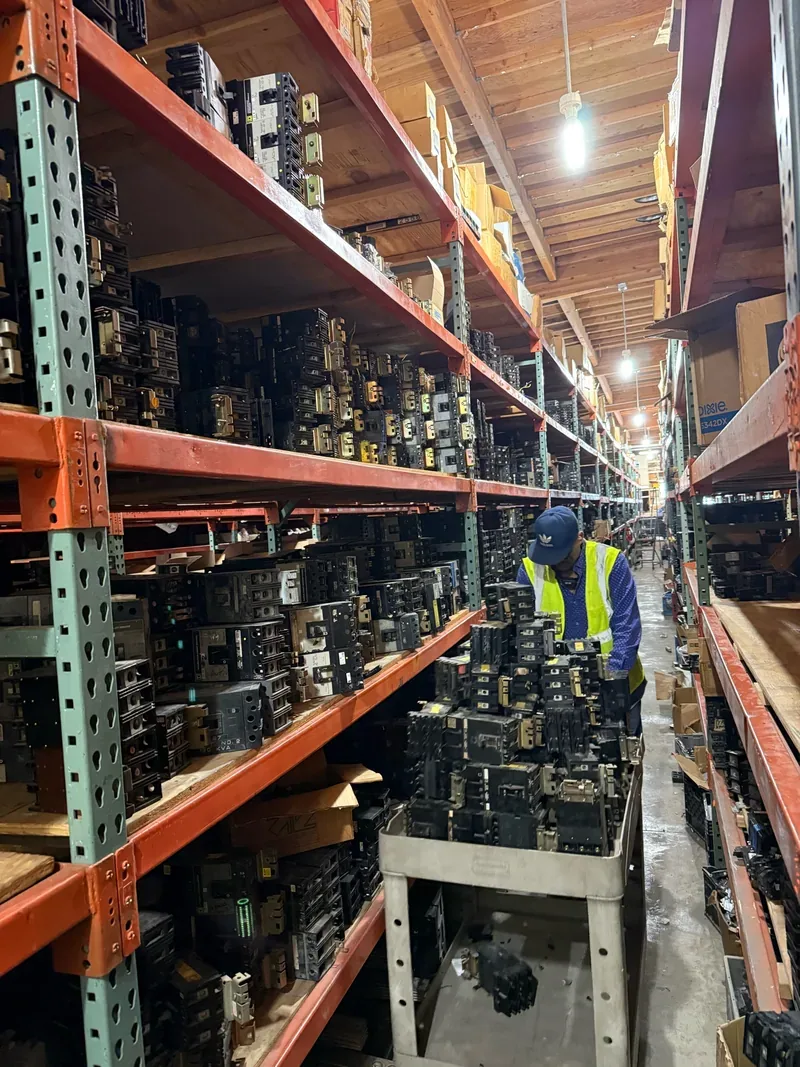
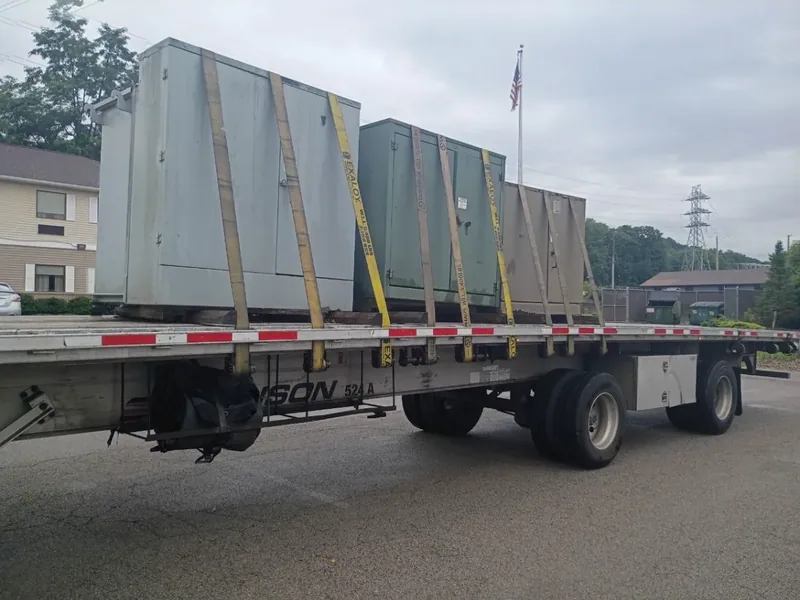
When a facility manager, plant engineer, or demolition contractor evaluates switchgear scrap value, the calculation is strictly metallurgical and entirely divorced from the equipment's original purpose. A scrap processor looks at a complex lineup of metal-clad or metal-enclosed switchgear and sees only raw, unrefined commodities. The primary driver of scrap pricing is the heavy copper content found in the main bus, runbacks, and transformer windings. Secondary value is derived from the structural steel of the heavy-gauge NEMA 1 indoor or NEMA 3R outdoor enclosures, along with any aluminum components utilized in the construction. The processor simply multiplies the estimated weight of these specific metals by current daily commodity indices to generate a baseline figure. However, this gross metal value is never the final number paid to the seller, and relying on it can lead to significant financial disappointment.\n\nTo extract that valuable copper and steel, the scrap yard must invest significant manual labor to tear down the assemblies and physically separate the disparate materials. Switchgear contains substantial non-metallic mass that holds absolutely zero scrap value and actually costs the processor money to discard. Heavy insulation materials, glastic barriers, epoxy cast components, fiberglass supports, and older arc chute assemblies must be painstakingly removed and transported to a landfill. The scrap buyer aggressively deducts these labor hours and environmental disposal costs from the initial commodity estimate. Consequently, the net payout for a massive 15kV or 5kV lineup sold purely as scrap is often a mere fraction of what the raw copper weight might initially suggest to an untrained observer.\n\nFurthermore, scrap yards typically require the seller to handle the complex logistics of getting the heavy equipment to their commercial scale. This means the facility owner must first hire a licensed electrical contractor to completely de-energize and isolate the gear from the utility feed. Following that, a specialized rigging crew must be contracted to extract the heavy sections from tight electrical rooms, navigate narrow corridors, and load them onto flatbed trailers. The freight costs to transport thousands of pounds of steel and copper to the scrap facility further erode the net return. When evaluating a scrap offer, it is absolutely critical to account for these hidden extraction, rigging, and transportation expenses, as they can easily consume the entire perceived value of the metal, leaving the facility with little to no actual return.
Why Resale Buyers Pay More Than Scrap Value
Unlike a traditional scrap yard, a direct resale buyer evaluates surplus switchgear based on its enduring utility as a highly engineered, functional electrical assembly. When we purchase used or retired equipment, we are paying for the original engineering, the precision manufacturing, and the immediate availability of the unit. A functioning 480V drawout switchboard or a complete 13.8kV unit substation has a distinct, premium market value because another industrial facility desperately needs that exact configuration to replace a failed component or expand their current operations. By preserving the equipment rather than destructively dismantling it, we can offer payouts that significantly exceed the baseline switchgear scrap price, turning a perceived disposal problem into a lucrative asset recovery opportunity.\n\nThe premium value in the secondary electrical market is heavily driven by factory lead times and installed base compatibility. When a manufacturing plant experiences a catastrophic failure of a main tie main lineup, they simply cannot afford to wait fifty weeks for a new factory order to be fulfilled. They require a compatible, tested replacement immediately to restore production. If your retired gear features a sought-after nameplate—such as Square D, Eaton, GE, Siemens, or even legacy brands like Allis-Chalmers, ABB, and Westinghouse—it holds substantial value as a complete assembly or as a vital source for tested, reliable breakers and replacement parts. We pay top dollar for the intact bus ratings, the functional vacuum or air-magnetic interrupters, and the protective relays that are ready to be deployed back into service.\n\nIn addition to offering a substantially higher upfront purchase price, a professional resale buyer absorbs the heavy lifting and logistical headaches associated with the removal project. We deploy our own specialized, highly trained crews to safely de-install, rig, and haul the equipment directly from your facility, whether you are located in Texas, Florida, New York, Georgia, South Carolina, North Carolina, Virginia, Ohio, Pennsylvania, or Connecticut. Because we handle the complex extraction and heavy freight internally, the number we offer is the actual, final amount you receive. There are no surprise deductions for transportation, labor, or landfill disposal, and you are paid upfront before our trucks ever leave your loading dock, ensuring a seamless and profitable transaction.
When Scrapping Is Actually the Right Decision
Despite the clear financial advantages of the secondary resale market, there are specific, unavoidable scenarios where scrapping is indeed the correct and most practical choice for a facility. We firmly believe in providing honest, transparent assessments, and we will tell you plainly when a lineup is only worth its raw metal weight. Equipment that has suffered severe, prolonged water damage, extensive structural corrosion, or catastrophic arc flash events typically cannot be safely salvaged for reuse. In these unfortunate cases, the internal components, insulation, and bus supports are compromised beyond repair, and the immense liability of attempting to refurbish the damaged gear far outweighs any potential secondary market value. When safety and reliability are destroyed, the scrap yard becomes the only responsible destination.\n\nAnother critical factor that pushes older switchgear into the scrap category is extreme obsolescence combined with a total lack of market demand. While many legacy systems remain highly valuable to facilities maintaining older infrastructure, certain obscure, proprietary, or highly customized configurations may have no remaining installed base to support. If a low-voltage switchboard has been aggressively stripped of its valuable drawout breakers, digital meters, and protective devices, leaving only a hollow steel shell and a few bare sections of busbar, its identity as a functional assembly is permanently gone. When the labor and material cost to recondition and re-equip the empty enclosure exceeds the price of a newer surplus unit, the remaining skeleton is best directed to a local metal recycler to recover whatever small value remains.\n\nFinally, rigid project timelines and site conditions sometimes dictate the ultimate disposal method. If a demolition contractor is facing a strict, immediate deadline to clear an industrial building and simply cannot accommodate a careful, non-destructive removal process, aggressive demolition and scrapping might be the only viable path forward. However, even in these exceptionally tight timeframes, it is always worth consulting a direct buyer first. We frequently mobilize rapidly to extract valuable 600V or medium-voltage gear before the wrecking ball swings, saving the equipment from destruction. By understanding the true condition, completeness, and marketability of your electrical assets, you can make an informed, strategic decision that maximizes your financial return while still meeting your demanding project schedule.
Key Factors That Differentiate Resale Value From Scrap
- Intact manufacturer nameplates and UL labels
- Functional drawout or fixed-mount circuit breakers
- Complete and undamaged copper or aluminum busbar systems
- Absence of severe water damage or heavy corrosion
- Usable protective relays and metering compartments
- Intact arc-resistant enclosures and safety interlocks
- Market demand for the specific voltage class and amperage rating
- Availability of original factory wiring and control schematics
- Condition of the insulation and glastic barrier materials
Related seller guides
What is it worth
Facility managers and electrical contractors frequently ask how we determine the value of surplus or retired electrica…
Obsolete switchgear
Facility upgrades often leave plant managers wondering what to do with discontinued electrical equipment that seems to…
Removal cost
Facility managers and demolition contractors frequently ask about the cost to remove switchgear when clearing an elect…
Questions sellers ask
Do you pay more than the local scrap yard for used switchgear?
Yes, we consistently pay more than scrap value for functional electrical equipment. Because we purchase gear to supply the secondary market rather than melting it down, we value the engineering and components. Our offers reflect the utility of the assembly, not just the raw weight of the copper and steel.
What hidden costs should I watch out for when comparing scrap offers?
When evaluating a scrap price, you must subtract the costs of hiring an electrician to disconnect the gear, a rigging crew to move it, and freight to transport it. Scrap yards also deduct for the weight of non-metallic materials like insulation that they have to throw away. Our direct purchase offers include all removal, rigging, and freight costs, meaning the number we state is exactly what you receive.
Will you tell me if my equipment is only good for scrap?
Absolutely. If your equipment has suffered catastrophic failure, severe water damage, or is entirely stripped of its valuable components, we will inform you immediately. We provide honest, straightforward evaluations and will advise you if sending the remaining metal to a local recycler is your most profitable option.
Ready to move it out?
To find out if your surplus equipment is worth more than switchgear scrap value, contact us today. Please send clear photos of the equipment's nameplate showing the manufacturer, type, voltage class, and bus rating, along with a wide photo of the full lineup. We also need to know about any access constraints in the electrical room to plan the extraction. Reach out to us at (954) 740-1983 or email your photos directly to electricalequipmentbuyers@gmail.com for a prompt evaluation and an upfront purchase offer.