
Coordination and Safe Isolation Protocols
Working around a live plant's production schedule demands strict adherence to planned outage windows and meticulous project management. Before our crews mobilize for an electrical switchgear removal project, we coordinate extensively with your facility engineers, plant managers, and electrical contractors to align our extraction timeline with your scheduled shutdown. Whether the equipment slated for removal is a 480V secondary unit substation inside a manufacturing plant, a 5kV distribution lineup, or a 15kV metal-clad assembly at an industrial processing facility, the physical removal process must not interfere with ongoing operations in adjacent areas. We establish clear timelines for crew mobilization, equipment staging, and the eventual load-out to ensure the project footprint remains organized, secure, and strictly confined to the designated work zone. This pre-planning phase is critical for minimizing downtime and ensuring a seamless transition during the outage.
Safety dictates that our crews never perform energized work, live cable cutting, or utility switching under any circumstances. Prior to our physical intervention, the equipment must be completely de-energized, isolated, and grounded by the facility's licensed electrician or the local utility provider. This strict operational boundary ensures that the high-voltage feed is physically disconnected and locked out before our dismantling team approaches the gear. We require a formal handover process where your site personnel demonstrate the isolation points, walk the single-line diagram with our foreman, and confirm that both the primary and secondary feeds are fully secured. This collaborative approach protects all personnel on site, prevents accidental re-energization, and ensures absolute compliance with facility safety mandates.
Once the owner's electrician has completed the isolation procedures, our team implements our own lockout/tagout protocols in conjunction with the site's existing safety framework. We establish a controlled safety boundary around the switchgear room or outdoor concrete pad using physical barriers and signage to prevent unauthorized access during the heavy rigging phase. Our technicians then verify the absence of voltage across all busbars, incoming line terminals, and control circuits using calibrated testing equipment. Only after this zero-energy state is definitively confirmed by our lead technician do we begin the mechanical disassembly and cable disconnection process. This rigorous verification step is the foundation of our safe extraction methodology, ensuring that the physical dismantling can proceed without electrical hazards.
Dismantling and Sectioning the Lineup
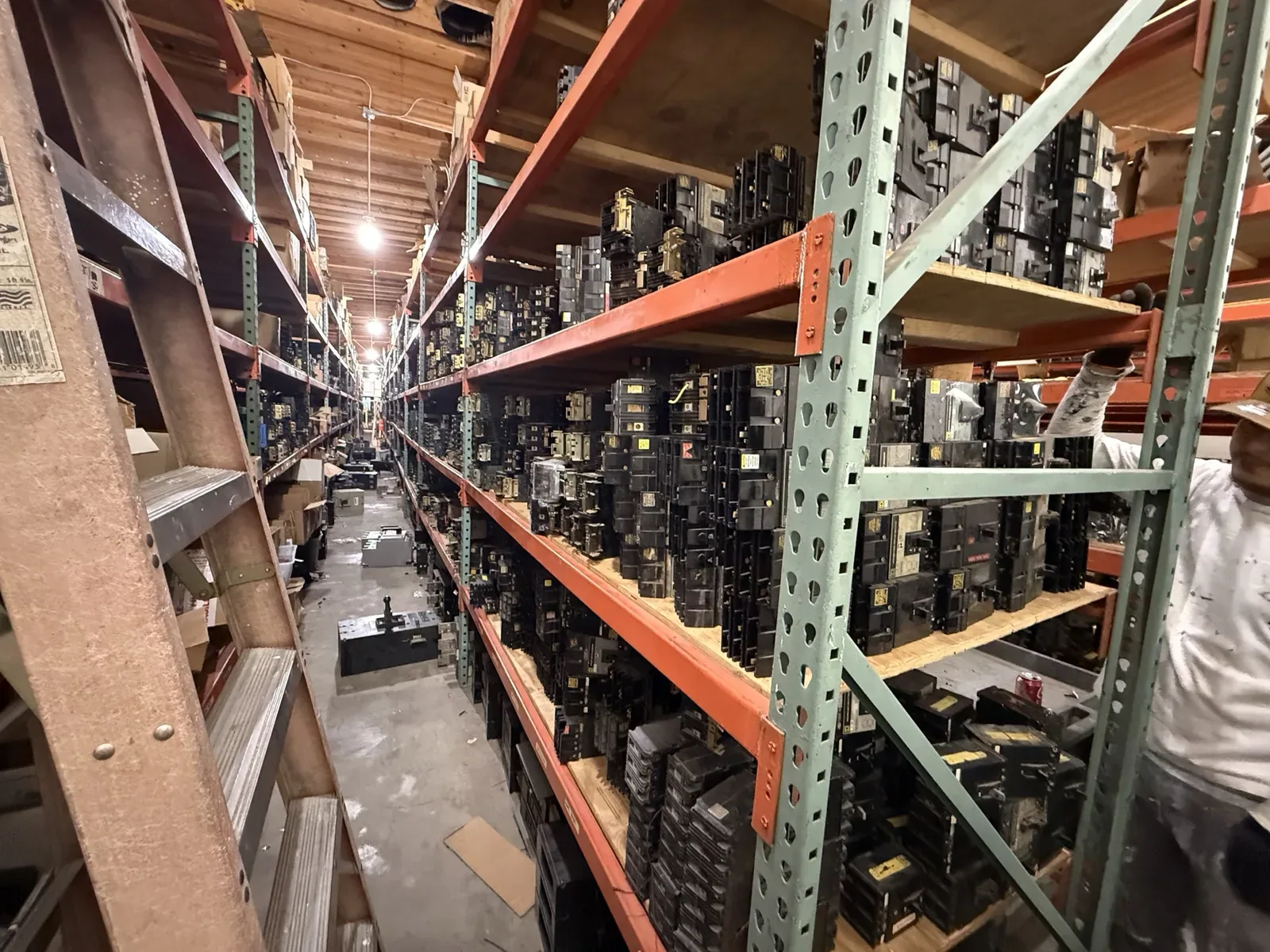
The mechanical phase of the switchgear removal service begins with the systematic disconnection of all power cables, control wiring, and main bus splices that tie the system together. To lighten the overall load and protect the most sensitive internal components, our crews first extract all drawout circuit breakers from their respective cubicles. Whether we are dealing with heavy 800A air-magnetic breakers from legacy Allis-Chalmers equipment or modern 3000A vacuum interrupters from a Square D lineup, removing these heavy devices prevents internal damage during transit and significantly reduces the weight of the vertical sections. The breakers are individually palletized, wrapped, secured with heavy-duty banding, and staged for load-out, ensuring their mechanisms and primary disconnects remain intact for future testing and reuse.
With the breakers removed and the main cross-bus unbolted, the crew begins separating the continuous lineup into manageable, shippable structures. Metal-enclosed and metal-clad switchgear structures are typically bolted together at the factory to form a single rigid assembly; our technicians reverse this process, carefully unbolting the vertical sections and removing any overhead bus duct connections, transition sections, or pull boxes. We label and document the structural components to maintain the integrity of the equipment. Because we pay more than scrap value, our objective is to preserve the gear as usable electrical equipment rather than destroying the enclosures for raw metal weight. Careful disassembly is critical to maintaining the value of the asset and ensuring it can be refurbished.
Once the lineup is separated into individual vertical sections or manageable two-door shipping splits, the crew addresses the floor mounting and anchoring systems. We cut the anchor bolts flush with the concrete pad using portable band saws or unbolt the base channels from the embedded floor steel, depending on the original installation method. Any remaining control conduits, ground bus connections, or seismic bracing are severed cleanly. This meticulous separation ensures that the heavy steel enclosures can be lifted or skidded without catching on floor obstructions. Preparing the sections properly at this stage prevents structural twisting, protects the internal bus bracing, and sets the foundation for a smooth heavy rigging and extraction phase.
Rigging, Extraction, and Site Restoration
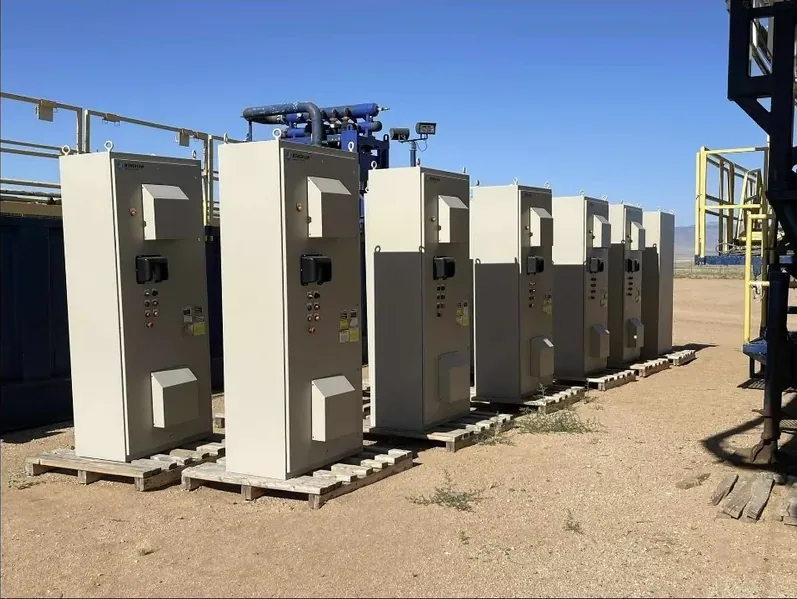
Moving multi-ton switchgear sections through an active facility requires specialized heavy rigging equipment and highly experienced personnel. Depending on the access constraints of the electrical room, our crews utilize heavy-duty machine skates, hydraulic toe jacks, and non-marking rollers to navigate the separated cubicles down narrow corridors, around tight corners, and through standard industrial doorways. For outdoor NEMA 3R enclosures, walk-in aisle switchhouses, or pad-mounted gear, we deploy telehandlers or coordinate crane lifts to hoist the structures safely from their concrete pads. Every movement is calculated to protect your facility's floors, walls, and adjacent active equipment, ensuring the extraction leaves no collateral damage behind while maintaining a steady pace toward the loading dock.
As the switchgear sections and palletized circuit breakers exit the facility, they are immediately staged for loading onto our dispatched flatbed trailers. Our riggers carefully lift each shipping split onto the deck, ensuring the weight is properly distributed across the axles for safe highway transport. We secure the equipment using heavy-duty straps and edge protectors, specifically avoiding chains that could crush the sheet metal enclosures, bend the doors, or damage the exterior paint. Because we take title to the equipment and pay upfront before the truck leaves the site, the chain of custody transfers smoothly to our logistics team. You receive your payment, and the liability of the heavy equipment is permanently removed from your facility.
The final step in our switchgear removal service is comprehensive site restoration. Our crews remove all packing materials, discarded hardware, cut conduit pieces, and debris generated during the dismantling process, leaving the electrical room or outdoor concrete pad in a broom-clean condition ready for your new installation. It is important to note the strict limits of our scope: while we handle the complete mechanical extraction and heavy rigging, we do not perform any asbestos abatement, PCB remediation, or hazardous material disposal. Our focus remains strictly on the safe, efficient removal of the electrical infrastructure itself, providing a clean slate for your facility's next phase of electrical upgrades and ensuring your contractors can begin their work immediately.
Key Steps in Our Switchgear Removal Process
- Coordinating extraction timelines with your facility shutdown windows
- Verifying zero-energy state after owner isolation and lockout/tagout
- Disconnecting primary cables, control wiring, and main bus splices
- Extracting drawout circuit breakers to reduce structure weight
- Unbolting vertical sections into manageable shipping splits
- Cutting anchor bolts flush with the existing concrete pad
- Skating heavy enclosures through corridors using specialized rigging
- Loading and securing all structures onto flatbed trailers
- Leaving the electrical room floor in a broom-clean condition
Related seller guides
De-energized removal
Clear safety boundaries prevent accidents and project delays when extracting heavy electrical equipment from active fa…
Removal cost
Facility managers and demolition contractors frequently ask about the cost to remove switchgear when clearing an elect…
Decommissioning
A formal switchgear decommissioning project requires precise planning, clear documentation, and coordinated execution.…
Questions sellers ask
Do your crews handle the electrical disconnection of the switchgear?
No, our crews do not perform any energized work or utility switching. The equipment must be completely de-energized, isolated, and disconnected from the primary feed by your licensed electrician or the local utility. Once a zero-energy state is achieved and verified, our team takes over the mechanical dismantling and physical extraction.
How do you move heavy switchgear out of tight indoor electrical rooms?
We break down the continuous lineup into individual vertical sections or smaller shipping splits by unbolting the cross-bus and enclosures. We then use hydraulic toe jacks and heavy-duty machine skates to roll the sections safely through narrow corridors and standard doorways. This specialized rigging approach protects your facility floors and allows us to navigate complex indoor environments.
Will you clean up the site after the equipment is loaded?
Yes, site restoration is a standard part of our extraction process. After the switchgear sections and palletized breakers are loaded onto our flatbeds, we sweep the area to remove any hardware, cut anchor bolts, or debris generated during the dismantling. We leave the concrete pad in a broom-clean condition so your contractors can immediately begin preparing for the replacement equipment.
Ready to move it out?
To schedule a switchgear removal service within our 10-state coverage area (Texas, Florida, New York, Georgia, South Carolina, North Carolina, Virginia, Ohio, Pennsylvania, and Connecticut), please send us photos of the equipment nameplates showing the manufacturer, voltage class, and bus rating. We also require a photo of the full lineup and images detailing the room's access constraints, such as doorways, corridors, or loading docks. You can reach our purchasing team at (954) 740-1983 or email your project details directly to electricalequipmentbuyers@gmail.com. We will review your equipment, coordinate with your facility's shutdown schedule, and provide a comprehensive purchase offer that includes the complete physical extraction and upfront payment.