
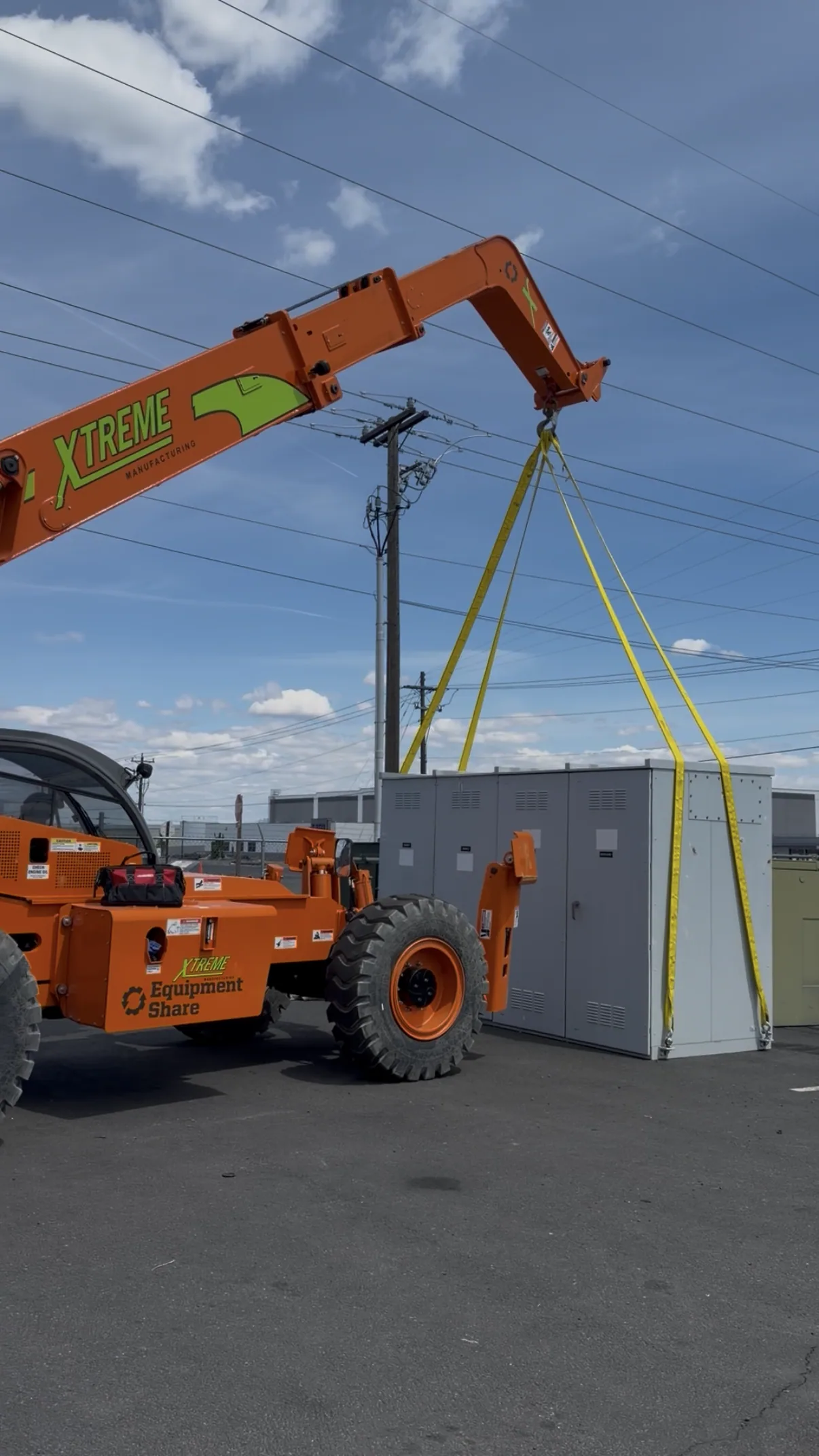
The Origins Of Unused Surplus Electrical Switchgear
Contractors and facility owners often find themselves holding brand new, uninstalled electrical equipment when a major construction project undergoes sudden value engineering or a complete cancellation. A scope change after the gear was already built to order leaves the original purchaser with highly specific, expensive assets that no longer fit the facility's revised requirements. In other cases, a large industrial job gets completely redesigned mid-stream, stranding massive metal-clad or metal-enclosed lineups that have already been delivered to the contractor's staging yard. When these sudden shifts occur, the equipment immediately transitions from a critical project component to a stranded asset taking up space. Because these lineups are typically custom-engineered for a specific footprint and electrical load, they cannot simply be returned to the manufacturer for a refund, leaving the contractor or facility manager searching for a way to recover their initial capital outlay. The financial impact of holding onto these stranded assets can be severe, especially when the equipment was custom-built by major manufacturers like Square D, Eaton, or Siemens, representing hundreds of thousands of dollars in tied-up funds.
Procurement strategies and supply chain management can also generate significant surplus inventory. An electrical contractor might buy ahead of an anticipated manufacturer price increase to lock in material costs, only to lose the final bid for the installation job. Facilities frequently over-order spare vacuum breakers, drawout mechanisms, or complete unit substations to ensure immediate availability during critical turnarounds, eventually leaving them sitting in a warehouse for years. Furthermore, when a manufacturing company updates its internal engineering standards or switches its preferred equipment vendor, the legacy warehouse stock—even if perfectly pristine and still in its original factory packaging—suddenly becomes obsolete for their specific operations. This leaves maintenance departments holding valuable but unusable inventory that ties up operating budgets. Instead of keeping these pristine assets on the books as depreciating inventory, smart facility managers recognize the need to liquidate them efficiently.
Regardless of exactly how the equipment became surplus, storing uninstalled 15kV or 480V switchgear consumes valuable warehouse footprint and ties up operating capital that could be deployed elsewhere. Because we are direct surplus switchgear buyers, we provide an immediate, reliable exit strategy for these stranded electrical assets. We purchase the equipment outright, taking title and removing it directly from your facility, staging yard, or storage container. By selling your unused gear to us, you ensure that you recover maximum value from equipment that will never be energized at your site, rather than letting it degrade in outdoor storage or eventually selling it for mere material weight. Our streamlined purchasing process is designed specifically to handle these unique surplus situations, turning your dormant electrical infrastructure back into liquid capital.
Why Uninstalled Switchgear Holds Premium Value
New and unused surplus electrical switchgear represents the most valuable category of equipment we purchase, primarily due to its pristine condition and lack of operational wear. Unlike retired or decommissioned assets, uninstalled gear carries no exposure history to harsh industrial environments, corrosive atmospheres, arc faults, or thermal stress from continuous heavy loads. Furthermore, there is absolutely no removal risk involving complex rigging out of tight electrical rooms or active production floors. The equipment is typically still bolted securely to its original shipping skids, fully crated, or heavily shrink-wrapped from the factory. This immaculate condition allows us to pay top dollar for the equipment, providing a return that is significantly higher than standard material recovery rates or scrap yard pricing. We recognize that this equipment was manufactured to strict tolerances and remains ready for deployment, which is exactly why we value it as premium electrical apparatus.
The presence of original factory documentation significantly elevates the financial value of surplus switchgear. Equipment that retains its original submittal drawings, factory acceptance test reports, and detailed wiring diagrams is far easier for our engineering team to evaluate and eventually repurpose for another facility. When a NEMA 3R outdoor walk-in aisle lineup or a massive 5000A main-tie-main switchboard includes its complete paperwork package, it eliminates the engineering guesswork required to understand its exact bus bracing, protective relay programming, and mechanical interlock schemes. Having the original manufacturer documentation proves the equipment's exact specifications, making it a highly desirable asset in the secondary electrical equipment market. Without these documents, verifying the internal components of a complex lineup becomes a labor-intensive process that can slightly diminish the overall value of the asset.
However, the highly customized nature of built-to-order gear does fundamentally affect its resale trajectory and timeline. A 13.8kV arc-resistant lineup constructed per ANSI C37.20.7 is engineered for one specific facility's fault current, physical footprint, and operational requirements, meaning it cannot simply be dropped into a different plant without extensive engineering review and potential modification. As direct buyers, we absorb the extended holding time required to match these highly specific configurations with the right future application. We pay you upfront before the truck leaves your yard, taking on the long-term inventory burden so you do not have to wait months or years for a compatible end-user to materialize. This allows your company to close out the project accounting cleanly and move forward without the lingering liability of storing and maintaining sensitive electrical equipment.
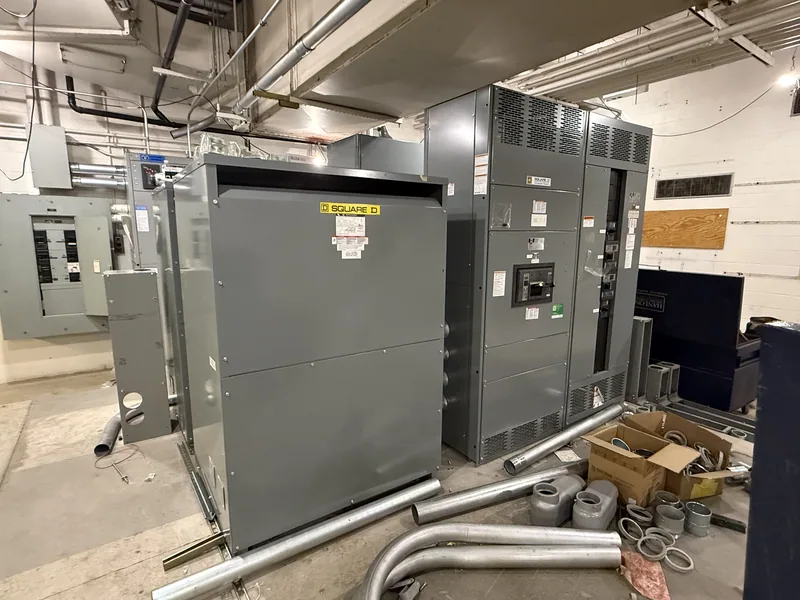
Evaluating And Purchasing Your Surplus Inventory
When evaluating new surplus switchgear, the engineering documentation is actually far more critical to our purchasing process than visual inspection alone. While photographs of the crated equipment are helpful to verify its physical location, overall dimensions, and packaging integrity, the original submittal package or shop drawings provide the exact technical specifications we need to formulate an accurate, aggressive offer. Sending us the comprehensive bill of materials, one-line diagrams, and elevation drawings allows our team to understand the precise configuration of the breakers, instrument transformers, and protective relays hidden inside the steel enclosures. This detailed information is what enables us to value the equipment as functional electrical apparatus rather than just heavy metal. The more engineering data you can provide upfront, the faster we can process the evaluation and the higher the final purchase offer will typically be.
Once we thoroughly review the submittal package and determine the equipment's exact specifications, we present a firm, transparent purchase offer for your surplus inventory. If you accept our proposal, we handle the entire logistics of the transaction entirely in-house, requiring no heavy lifting from your personnel. We send our own specialized crews and dedicated freight directly to your warehouse, contractor staging yard, or active construction site to load the equipment. Because the surplus gear is typically already palletized or crated for transport, the loading process is highly efficient and streamlined, requiring minimal disruption to your daily facility operations or ongoing construction schedule. Our teams are fully equipped with the necessary rigging gear and heavy machinery to safely maneuver and load large, awkward electrical enclosures without requiring assistance from your site staff.
We operate our own fleet of trucks and dispatch our own experienced crews exclusively across our specific 10-state footprint, which includes Texas, Florida, New York, Georgia, South Carolina, North Carolina, Virginia, Ohio, Pennsylvania, and Connecticut. By dealing directly with our company rather than navigating through a network of brokers, you eliminate middleman delays, communication breakdowns, and transaction uncertainty. We pay you upfront before the equipment is ever loaded onto our trailers, providing a clean, final transaction that immediately clears your valuable storage space and returns critical capital to your company's balance sheet without any lingering liability. We pride ourselves on executing these surplus acquisitions swiftly and professionally, ensuring that your unused electrical switchgear is removed safely and your financial return is secured immediately.
Common Sources Of Surplus Electrical Equipment
- Cancelled commercial or industrial construction projects
- Value-engineered facility upgrades and redesigns
- Scope changes on built-to-order electrical packages
- Over-ordered spare breakers and components
- Warehouse stock rendered obsolete by new company standards
- Equipment purchased ahead of manufacturer price increases
- Stranded assets from lost contractor bids
- Unused gear remaining after facility commissioning
- Crated equipment stored in contractor staging yards
Related seller guides
Contractor surplus
Leftover electrical equipment from cancelled projects and change orders ties up your working capital and consumes valu…
Used switchgear grading
When facility managers and demolition contractors prepare to sell used switchgear, understanding how the equipment is …
Whole lineup or sections
Facility managers and demolition contractors often face a critical decision when retiring electrical infrastructure: w…
Questions sellers ask
Do you buy surplus switchgear that was built to order for a specific facility?
Yes, we frequently purchase highly customized, built-to-order switchgear. While custom configurations require more time to match with a future application, we absorb that holding period. Providing the original submittal drawings helps us understand the exact engineering specifications and offer you the highest possible value.
What documentation should I provide for uninstalled electrical equipment?
For new and unused surplus, the original factory submittal package and shop drawings are the most valuable documents you can provide. These files detail the exact bus ratings, voltage classes, and relay configurations. Factory acceptance test reports and original bills of material also help us evaluate the equipment accurately.
How do you handle the logistics of removing crated switchgear from a job site?
We dispatch our own crews and specialized freight directly to your active job site, staging yard, or warehouse. Since surplus gear is usually still on its original shipping skids, our team can load it efficiently with minimal disruption. We operate across 10 specific states and handle all the heavy lifting and transportation.
Ready to move it out?
To sell your surplus electrical switchgear, please send us the original submittal package, shop drawings, and any available factory test reports, as these documents are critical for evaluating built-to-order equipment. If the gear is accessible, include photos of the nameplate showing the manufacturer, type, voltage class, and bus rating, along with a photo of the full lineup and notes on any access constraints at your storage yard or facility. Contact us at (954) 740-1983 or email your documentation to electricalequipmentbuyers@gmail.com to receive an upfront purchase offer.