
Evaluating Premium And Serviceable Switchgear For Resale
The highest valuation for surplus electrical equipment applies to units that are recently removed from a dry, climate-controlled indoor plant room. When we evaluate metal-clad or metal-enclosed switchgear that remains fully intact with all original breakers, protective relays, and factory drawings available, we classify this as premium tier for full resale. These lineups, particularly modern 480V, 5kV, or 15kV systems from industry-leading manufacturers like Square D, Eaton, or Siemens, require minimal intervention before they can be deployed to another industrial facility. Because the internal components have not been subjected to environmental degradation, extreme temperature fluctuations, or mechanical abuse, we can offer top dollar for these complete, well-documented systems. Facility managers who maintain their electrical rooms to high standards and keep meticulous records ultimately preserve the residual value of their infrastructure, allowing us to pay significantly more than standard material recovery rates.
Equipment that is serviceable but dated falls into our second grading tier, which still commands a strong purchase offer well above base material weight. These units often feature complete bus assemblies and intact enclosures but may show signs of cosmetic corrosion, minor surface wear, or older electromechanical relaying systems that are no longer the industry standard. A typical example would be a 1990s-era GE, ITE, or Westinghouse lineup that has operated reliably for decades but requires comprehensive reconditioning, deep cleaning, and primary injection testing before it can safely re-enter service. We purchase these systems with the understanding that our technicians will need to invest substantial labor into refurbishment, which adjusts the valuation slightly downward while still providing an excellent financial return for the seller. This tier represents the bulk of the functional equipment we acquire from plant upgrades and facility modernization projects.
During the initial assessment of these upper-tier units, our inspectors look closely at the integrity of the primary current path and the isolation materials to confirm their viability. We examine the copper or aluminum bus joints for any signs of heat discoloration, which indicates past overloading, loose connections, or failing hardware. We also inspect the standoff insulators and glass polyester barriers for carbon tracking, a definitive sign of partial discharge or insulation breakdown that could compromise future reliability. Finding clean buswork, matching drawout breakers, and intact safety barriers confirms the equipment's suitability for the secondary market. By verifying these critical mechanical and electrical parameters, we ensure that your facility receives the highest possible purchase offer for its well-maintained surplus electrical assets.
Assessing Degraded Equipment For Parts Recovery
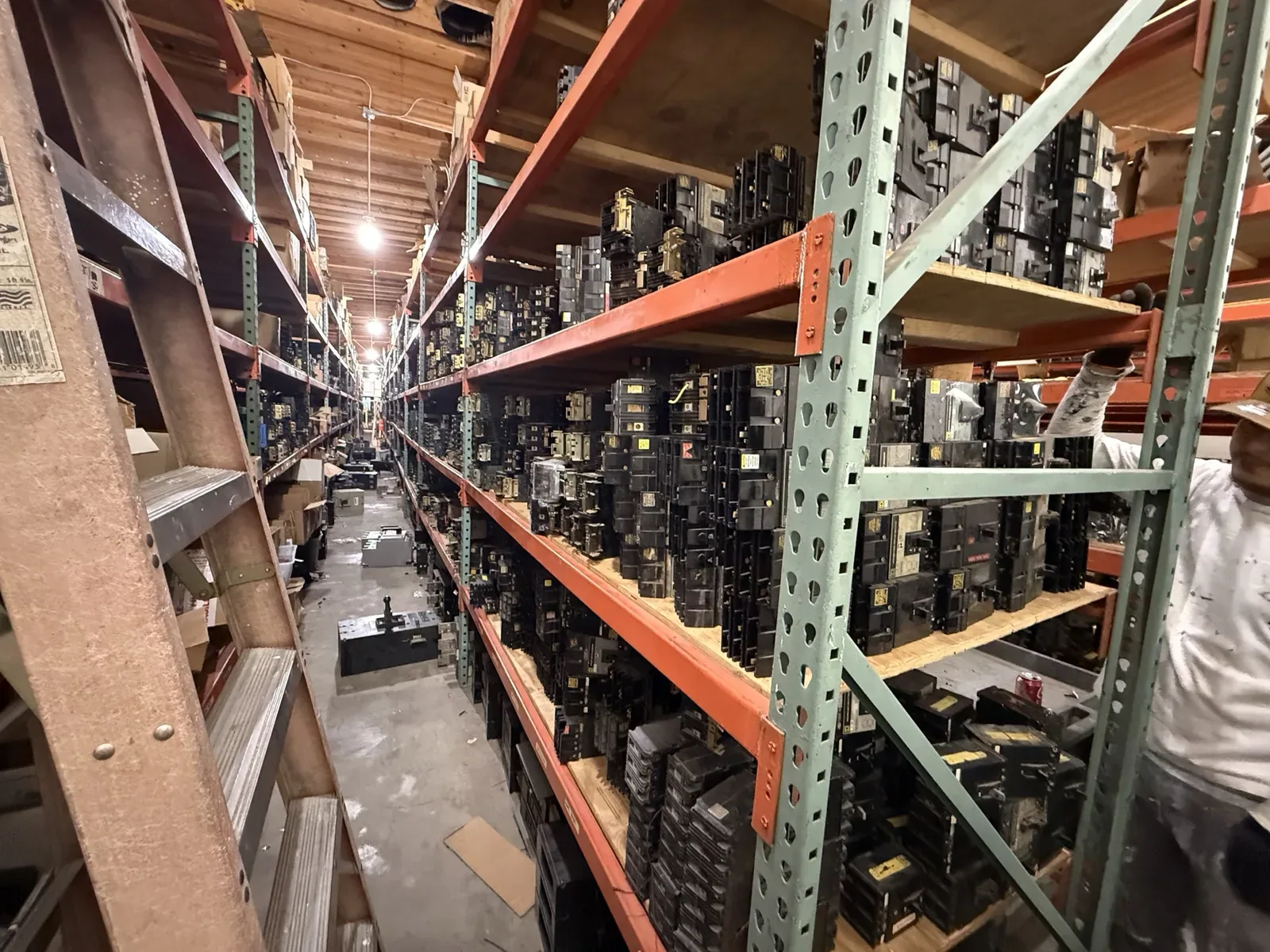
When switchgear has been subjected to harsh environments, prolonged neglect, or improper handling, its value shifts from a complete functional system to a source for obsolete and hard-to-find replacement parts. Outdoor NEMA 3R enclosures that exhibit severe rust-through, water staining on internal panels, or evidence of moisture pooling in the main bus compartment generally cannot be safely reconditioned as a cohesive unit. Similarly, equipment that has become a site for insect or rodent nesting often suffers from compromised wiring insulation, degraded control circuits, and biological contamination that ruins sensitive electromechanical components. In these scenarios, we evaluate the lineup based entirely on the salvageable sub-assemblies, such as individual vacuum interrupters, uncorroded bus supports, or specific molded case breakers that remain sealed and functional. This parts-only grading still yields a purchase price that exceeds basic scrap value, as these legacy components are highly sought after by facilities needing to maintain identical aging infrastructure.
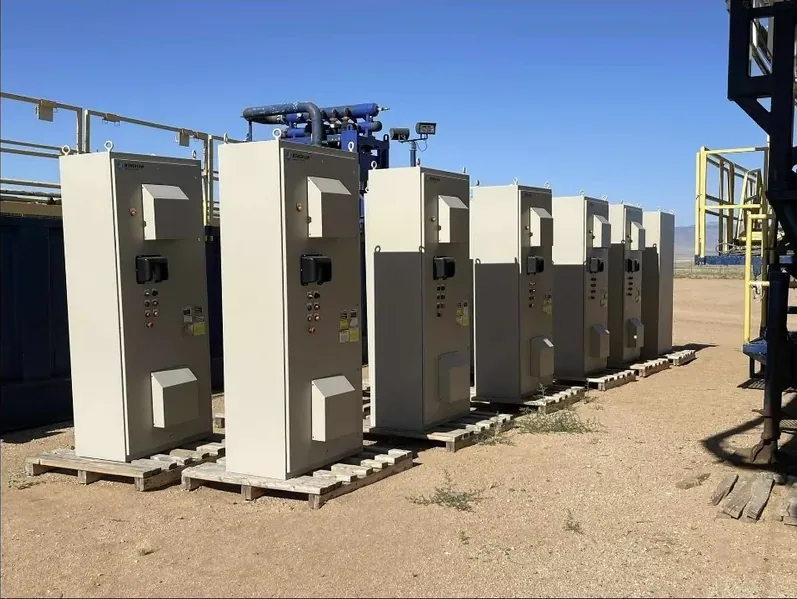
A critical factor that frequently downgrades otherwise serviceable equipment into the parts-only category is improper storage after de-installation. Facility owners or demolition contractors sometimes remove a perfectly functional 4.16kV or 13.8kV lineup from a clean electrical room and stage it outdoors under a tarp while awaiting a buyer. Condensation rapidly builds up inside the cubicles due to temperature swings, leading to flash rust on the operating mechanisms and severe moisture absorption in the insulation systems. Once this environmental exposure occurs, the liability of re-energizing the complete unit becomes far too high, forcing us to grade the equipment strictly on the value of its weather-protected internal components. Protecting your equipment from the elements immediately after removal is the single most important step in preserving its financial value.
To determine the accurate parts recovery value, our evaluation focuses heavily on what remains intact and unmodified within the enclosure. We look for mismatched or missing breakers, which often indicates the lineup was already cannibalized by maintenance staff to keep other plant operations running prior to decommissioning. We also check for cut cables inside the cubicle; if the previous demolition crew hastily torched or aggressively sheared the incoming line cables too close to the landing pads, it can permanently damage the main lugs and structural bus supports. By identifying the specific viable components that survived the decommissioning process, we can still provide a competitive purchase offer that reflects the secondary market demand for those specific legacy parts, ensuring you receive maximum value for the remaining assets.
Handling Catastrophically Damaged And Stripped Switchgear
The lowest grading tier applies to electrical switchgear that has suffered catastrophic failure, severe environmental destruction, or complete component stripping. Equipment that has been exposed to a major arc-flash event, subjected to a facility fire, or submerged during a flood cannot be salvaged for electrical use or even parts recovery. The extreme thermal and mechanical stresses of an arc fault vaporize copper, warp heavy steel enclosures, and deposit highly conductive soot throughout the entire lineup, rendering every internal component unsafe. Similarly, floodwaters introduce corrosive contaminants, chemical residue, and abrasive silt into every crevice of the operating mechanisms, permanently destroying the dielectric properties of the insulation and seizing the mechanical linkages. In these extreme cases, the equipment holds no functional value in the secondary electrical market.
For these severely damaged units, as well as lineups that have already been completely picked over and stripped of all valuable breakers, relays, and instrumentation, the valuation is based strictly on the underlying metal content. While this represents the lowest tier of our condition grading system, we still provide a highly valuable and comprehensive removal solution for the seller. Our specialized crews will dismantle the heavy steel frames, extract the remaining copper or aluminum busbars, and haul the bulky debris away from your site. This turnkey service saves demolition contractors and facility managers the significant labor, specialized rigging equipment, and logistical costs associated with breaking down heavy industrial electrical equipment themselves, turning a hazardous liability into a clean, cleared space.
Regardless of whether your equipment grades as premium resale, parts recovery, or base metal value, our operational approach remains consistent and professional. Once the facility owner's electrician or the local utility has completely de-energized and isolated the system, our crews arrive to handle the heavy rigging and extraction. We take title to the equipment and pay the agreed-upon amount upfront before our trucks ever leave your facility. Operating exclusively across our specific ten-state footprint—Texas, Florida, New York, Georgia, South Carolina, North Carolina, Virginia, Ohio, Pennsylvania, and Connecticut—we ensure a safe, efficient removal process tailored to the exact condition of your surplus gear. You deal directly with the buyer, eliminating middleman delays and ensuring a smooth transaction from the initial condition assessment to the final site clearance.
Key Inspection Points For Used Switchgear Valuation
- Heat discoloration on copper or aluminum bus joints
- Carbon tracking on standoff insulators and phase barriers
- Presence of all original factory drawings and wiring diagrams
- Missing or mismatched drawout circuit breakers
- Cut cables or damaged landing pads inside the cubicle
- Evidence of moisture pooling in the bus compartment
- Insect or rodent nesting within the control wiring
- Signs of cosmetic corrosion or severe rust-through
- History of outdoor storage following initial de-installation
Related seller guides
Obsolete switchgear
Facility upgrades often leave plant managers wondering what to do with discontinued electrical equipment that seems to…
What is it worth
Facility managers and electrical contractors frequently ask how we determine the value of surplus or retired electrica…
Surplus switchgear buyers
Uninstalled electrical equipment represents a significant sunk cost when projects change direction or specifications s…
Questions sellers ask
Does surface rust automatically mean my switchgear is only good for parts?
Not necessarily. Minor cosmetic corrosion on the exterior of a NEMA 1 or NEMA 3R enclosure often places the equipment in our serviceable but dated tier, which still commands a strong purchase offer. As long as the internal bus compartments, breaker mechanisms, and insulation systems remain dry and free of degradation, the unit can typically be reconditioned for resale. We evaluate the depth of the rust and its proximity to critical electrical paths before making a final grading determination.
How does missing documentation affect the purchase offer for my equipment?
Having the original factory drawings, wiring diagrams, and coordination studies significantly increases the value of premium switchgear. Without these documents, our engineers must spend considerable time reverse-engineering the control circuits and relay logic before the equipment can be resold. While we still purchase complete lineups without their paperwork, providing the documentation ensures you receive the highest possible valuation for your surplus gear.
Will you buy a lineup if some of the breakers have already been removed?
Yes, we frequently purchase incomplete lineups directly from facilities and contractors. When a unit is missing breakers or has mismatched components, we typically grade it for parts recovery rather than full resale. We will assess the value of the remaining vacuum or air-magnetic interrupters, the intact buswork, and the enclosure itself to provide a fair purchase offer based on the salvageable materials.
Ready to move it out?
To receive an accurate valuation for your surplus equipment, please send us clear photos of the manufacturer nameplate showing the type, voltage class, and bus rating, along with a wide shot of the full lineup. We also need a brief description of the room's access constraints so we can plan the rigging and extraction safely. Once your electrician or utility provider has completely de-energized and isolated the system, contact us at (954) 740-1983 or email electricalequipmentbuyers@gmail.com to schedule an evaluation and secure your upfront payment.