
Understanding The Difference Between Switchboards And Switchgear
Facility managers and electrical contractors frequently use the terms switchboard and switchgear interchangeably, but they represent distinct classes of electrical equipment built to different standards. Switchboards are manufactured and tested under the UL 891 standard, whereas low-voltage metal-enclosed switchgear falls under UL 1558 or ANSI C37.20.1. This regulatory distinction dictates how the equipment is constructed, how it handles fault currents, and ultimately how it is valued in the secondary market. A switchboard is typically designed for a maximum of 600 volts and relies on molded-case circuit breakers, insulated-case circuit breakers, or fusible switches, rather than the heavy-duty drawout power circuit breakers found in true switchgear.
The physical construction of a switchboard also differs significantly from switchgear, which impacts both its original application and the removal process. Switchboards are generally front-accessible, allowing them to be mounted directly against a wall to save space in tight electrical rooms, though some larger configurations are front-and-rear aligned. They use a panel-mounted or group-mounted arrangement for branch devices, meaning the breakers are often fixed in place rather than compartmentalized and easily racked out. The bus bracing and short-circuit withstand ratings in a switchboard are typically lower than those in switchgear, making them suitable for different points in the electrical distribution system.
Because of these design characteristics, switchboards are the standard choice for building service entrances, main distribution panels in commercial facilities, and tenant metering applications. You will commonly find them in office buildings, retail complexes, hospitals, and light industrial plants where the extreme fault current capabilities of switchgear are not required. When a facility undergoes a major renovation, a capacity upgrade, or a complete demolition, these distribution boards are often removed. We buy these retired switchboards, recognizing their value as functional electrical equipment rather than mere metal weight, provided they are in reusable condition.
The Resale Value Profile Of Commercial Switchboards
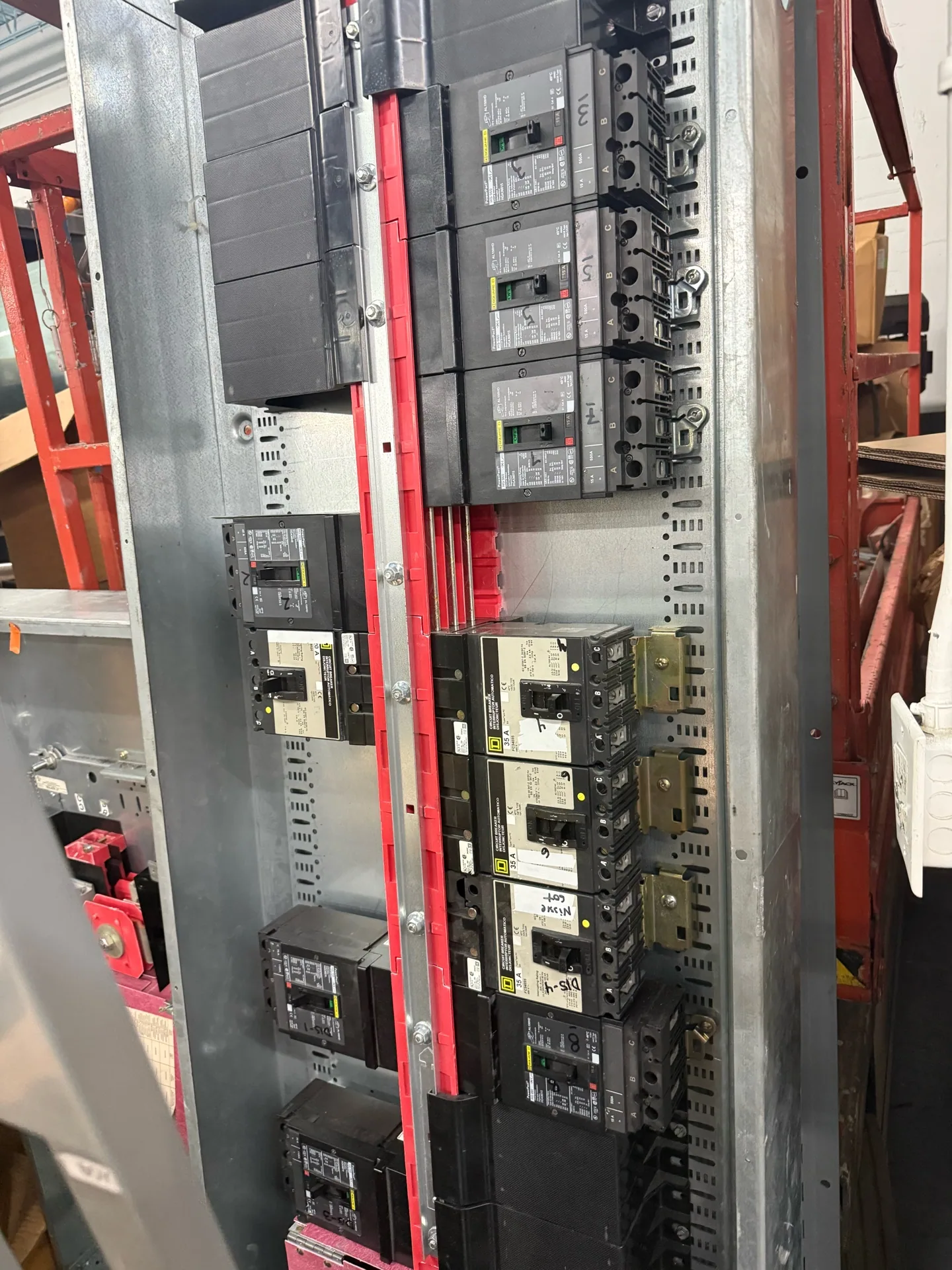
The secondary market value of a used switchboard is heavily dependent on its internal components rather than the steel enclosure itself. When we evaluate a switchboard for purchase, the primary value sits in the main overcurrent device, the branch circuit breakers, the metering equipment, and the copper or aluminum buswork. A fully loaded board packed with modern, high-capacity molded-case or insulated-case breakers is worth substantially more than an empty structure or a board where the valuable branch devices have already been stripped out. The specific manufacturer, the vintage of the breakers, and the availability of replacement parts in the current market all play critical roles in determining the final purchase offer.
Another significant factor in the valuation of switchboards is the presence of service-entrance configurations and utility metering compartments. Many switchboards serve as the main service entrance for a building, meaning they contain specific sections dedicated to the local utility company's current transformers and metering equipment. When these boards are decommissioned, the utility metering components often belong to the power company and must be returned or handled according to their specific protocols. We require the facility owner's electrician or the local utility to completely de-energize, isolate, and clear the equipment before our crews arrive, ensuring that any utility-owned components are properly addressed prior to the removal of the main structure.
Condition and obsolescence also dictate whether a switchboard can be refurbished and resold or if it has reached the end of its usable life. Water damage, severe corrosion, or evidence of electrical arcing will typically render the internal components unusable, reducing the board to its base metal value. However, well-maintained switchboards from major manufacturers like Square D, Eaton, Siemens, and GE often retain significant resale demand. By purchasing these units directly, we provide facility owners and demolition contractors with a financial return that exceeds standard scrap yard rates, turning surplus electrical infrastructure into recovered capital.
De-Installation And Removal Of Distribution Boards
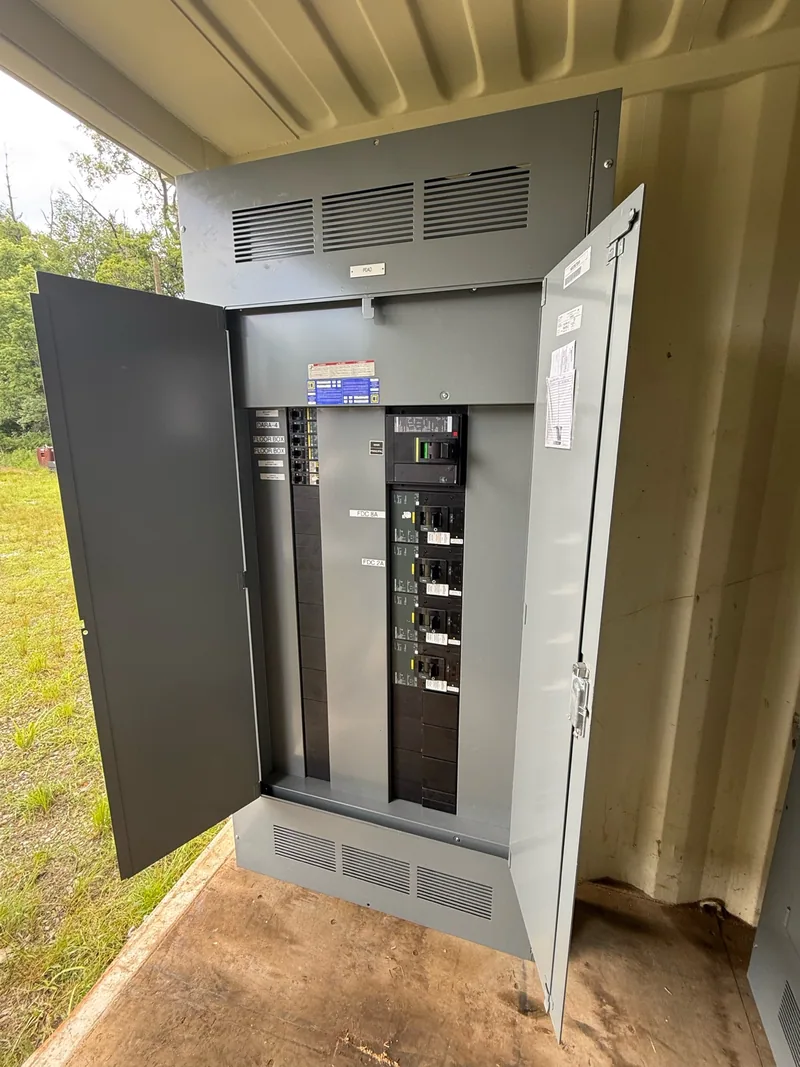
Removing a large electrical switchboard from a commercial building presents unique logistical challenges that require experienced personnel. These units are often located in basements, upper-floor electrical rooms, or tight utility closets with limited egress paths. Our removal crews are trained to dismantle switchboards into manageable shipping splits, carefully unbolting the bus splice plates and separating the vertical sections without damaging the internal components. This meticulous approach preserves the integrity of the breakers and the buswork, which is essential for maintaining the equipment's resale value and ensuring you receive the highest possible return for your surplus assets.
Before any dismantling begins, safety and site coordination are our primary concerns. We do not perform energized work or utility switching; the switchboard must be verified dead and locked out by your qualified personnel before our team touches the enclosure. Additionally, we do not handle asbestos or PCB abatement, so older facilities must ensure the equipment and the surrounding environment are clear of hazardous materials. Once the site is safe and the equipment is isolated, our crews bring the necessary rigging equipment, pallet jacks, and heavy-duty transport tools to navigate the switchboard sections through the facility corridors and out to our waiting trucks.
We operate our own removal crews and logistics network across Texas, Florida, New York, Georgia, South Carolina, North Carolina, Virginia, Ohio, Pennsylvania, and Connecticut. Because we are the direct buyer and not a broker, you deal with a single entity from the initial valuation to the final load-out. We pay you upfront before the truck leaves your facility, providing a clean, efficient transaction that keeps your renovation or demolition project on schedule. By managing the entire de-installation and transportation process, we eliminate the burden of moving heavy electrical equipment and ensure the switchboard is safely removed from your property.
Key Inspection Points For Switchboard Valuation
- UL 891 compliance labeling
- Main breaker frame size and trip unit type
- Quantity and amperage of molded-case branch breakers
- Copper versus aluminum bus material
- Presence of utility metering compartments
- Bus bracing and short-circuit current ratings
- Front-accessible versus rear-accessible configuration
- Evidence of water intrusion or thermal damage
- Manufacturer and vintage of the internal components
Other switchgear we buy
Metal-clad
Compartmentalised drawout gear with grounded barriers and automatic shutters. The most resellable medium-voltage category.
Metal-enclosed
Fixed-mounted interrupter switches and power fuses. Common as utility service entrance and primary distribution gear.
Low-voltage
Drawout air-frame power breakers. The breakers themselves usually carry most of the value in the lineup.
Questions sellers ask
Do you buy empty switchboard enclosures if the breakers have been removed?
We primarily purchase fully loaded switchboards because the resale value is concentrated in the main device, branch breakers, and buswork. An empty enclosure has very limited utility in the secondary market and is often only worth its base metal weight. If you have an empty structure, we can evaluate it, but the financial return will be significantly lower than a complete, populated board.
How do we handle the utility metering section in our service-entrance switchboard?
Utility metering compartments often contain current transformers and meters that belong to the local power company. Your electrician or the utility must remove or clear these specific components before we take possession of the switchboard. Once the utility-owned equipment is safely removed and the board is completely de-energized, our crews will dismantle and haul away the remaining structure.
Can you remove a switchboard from a basement electrical room with narrow doors?
Yes, our crews are experienced in navigating tight access routes in commercial buildings. Switchboards are designed to be separated into vertical shipping splits, which allows us to unbolt the sections and move them individually. We will need clear details about your egress path, including door widths, freight elevator capacities, and loading dock access, to plan the rigging and removal properly.
Ready to move it out?
To sell your surplus or retired switchboards, please send us clear photographs of the equipment nameplate showing the manufacturer, type, voltage class, and bus rating. We also need a wide photograph showing the full lineup of the board, along with a brief description of the electrical room's access constraints and egress path. You can reach our purchasing team directly at (954) 740-1983 or email your equipment details to electricalequipmentbuyers@gmail.com to receive an upfront purchase offer and schedule your removal.