
Why A Complete Matched Lineup Holds Premium Value
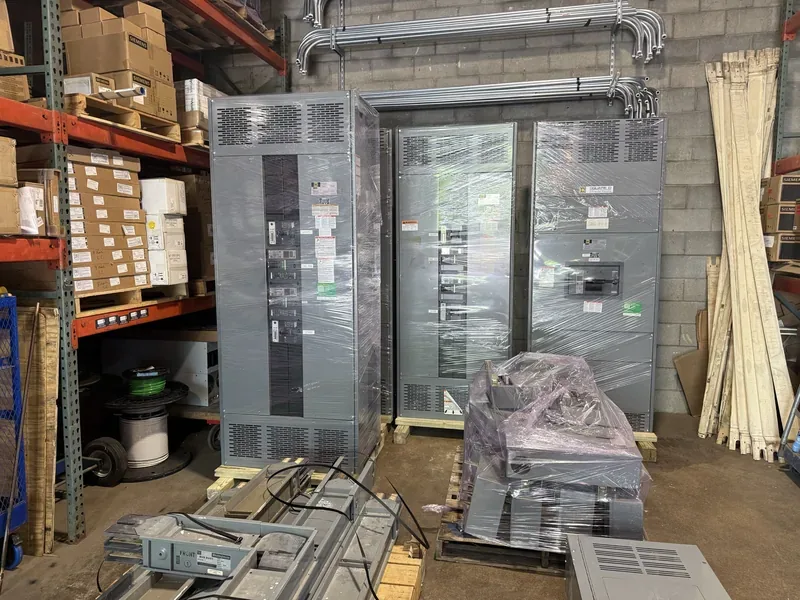
When evaluating surplus electrical equipment, a complete matched lineup with its main, ties, and feeders intact is inherently worth more as a unified system than the sum of its individual sections. Buyers, facility engineers, and electrical contractors prefer dropping a fully integrated system into a project because it eliminates the substantial engineering overhead of matching disparate components. A continuous metal-clad or metal-enclosed assembly, complete with original factory bussing and coordinated protection schemes, provides immediate utility for industrial expansions, facility upgrades, or emergency replacements. This plug-and-play readiness translates directly to higher upfront valuations for the seller, as the buyer does not have to source missing splice plates, fabricate transition sections, or re-engineer the control wiring to make the system functional.
The value of an intact lineup is heavily tied to the integrity of its continuous through-bus and the presence of specialized sections that govern the entire assembly. The main section typically houses the primary metering, relaying, and incoming line connections, making it the operational heart of the system. If a lineup is broken apart haphazardly, the main section loses its primary function, and the feeder sections lose their power source, rendering them far less useful. Furthermore, the original splice hardware and continuous copper or aluminum bus bars are critical for maintaining the system's UL 891 or ANSI C37.20.2 ratings. Preserving these elements during de-installation ensures the equipment retains its full market appeal.
Our crews specialize in removing complete switchgear lineups without compromising their structural or electrical integrity. Once your facility's electrician or the local utility has completely de-energized and isolated the equipment, we handle the heavy lifting required to extract the system safely. By carefully unbolting factory shipping splits rather than cutting through structural steel or the main bus, we preserve the lineup's viability for secondary markets. This meticulous approach allows us to pay top dollar for complete systems across our ten-state service area, which includes Texas, Florida, New York, Georgia, South Carolina, North Carolina, Virginia, Ohio, Pennsylvania, and Connecticut.
When Splitting A Lineup Makes Economic Sense
While intact systems generally command a premium, there are specific scenarios where splitting a lineup genuinely pays off and maximizes the return on your surplus assets. The most common driver for sectioning is the presence of highly sought-after breakers within a supported frame that has strong standalone demand. For instance, if your lineup contains late-model vacuum interrupters or widely deployed air-magnetic breakers from manufacturers like Square D, Eaton, Siemens, or GE, the standalone demand for those specific breakers might outstrip the value of the enclosure itself. In these cases, extracting the valuable feeder sections or individual drawout breakers can yield a higher return, especially if the rest of the lineup is obsolete or damaged.
Another scenario where splitting makes sense is during phased facility upgrades or partial plant decommissionings. Often, an industrial plant will retire only a portion of a 480V or 15kV lineup while keeping the main and several critical feeders active to support ongoing operations. In these partial retirements, selling the decommissioned sections is a practical way to recover costs and clear valuable floor space. However, it is crucial to understand that pulling a section from the middle of a continuous run severely impacts the value of the remaining surplus equipment. The severed through-bus and missing splice plates make it difficult to repurpose the leftover sections as a cohesive unit.
Logistical constraints also frequently dictate the necessity of splitting a lineup, regardless of the economic preference for intact systems. In older industrial facilities, subterranean electrical vaults, or high-rise commercial buildings, access pathways may be too narrow to accommodate the removal of a multi-section assembly. When freight elevators, narrow doorways, or restricted loading docks force a section-by-section removal, our crews are equipped to dismantle the gear methodically. We assess the equipment on-site, identifying the cleanest points to break the bus and separate the enclosures, ensuring that the individual sections retain as much market value as possible despite the physical separation.
The Mechanics Of Dismantling And Pricing Partial Takes
The physical process of splitting a switchgear lineup requires a deep understanding of its mechanical and electrical construction to avoid destroying the equipment's residual value. The most critical aspect is identifying the factory shipping splits, which are the intended points of separation designed by the manufacturer for initial transport and installation. Breaking the lineup at these specific junctions allows the through-bus to be unbolted cleanly, preserving the copper or aluminum bars and the associated splice hardware. If a lineup is cut arbitrarily with a torch or saw, the bus is destroyed, the structural integrity of the enclosure is compromised, and the sections lose their ability to be easily reconnected in a future installation.
When pricing a partial take, we require specific details to accurately assess the value of the isolated sections and formulate a competitive offer. The most important information comes from the nameplate data of both the overall lineup and the individual sections being sold. We need to know the manufacturer, the voltage class, the continuous bus rating, and the specific types of interrupters housed within the sections. For example, a 5kV metal-clad section housing a 1200A vacuum breaker has a vastly different valuation profile than a 600V switchboard section equipped with standard molded case circuit breakers. Understanding the condition of the control wiring and protective relays helps us determine its standalone viability.
To facilitate a smooth transaction and ensure you receive the highest possible offer for your partial lineup, clear communication about the scope of the removal is essential. If you are selling sections from the middle of a lineup, we need to evaluate the impact on the remaining gear and plan the extraction accordingly to minimize disruption. We purchase surplus electrical equipment directly, taking title and paying upfront before our trucks leave your facility. Whether you are managing a demolition project or a targeted electrical upgrade, providing comprehensive photos and access details allows us to formulate a precise valuation and execute a safe removal.
Critical Factors When Evaluating Complete Lineups Versus Sections
- Integrity of the continuous through-bus and original splice hardware
- Presence of primary metering and relaying in the main section
- Standalone market demand for specific drawout or fixed-mount breakers
- Manufacturer support and availability of replacement parts for the frame
- Physical access constraints forcing section-by-section removal
- Impact of removing middle sections on the remaining equipment's value
- Preservation of factory shipping splits during the dismantling process
- Voltage class and continuous current ratings of the isolated sections
- Condition of control wiring and protective schemes in partial takes
Related seller guides
Truckload lots
Moving heavy electrical infrastructure requires specialized transport planning and significant freight expenditure. Wh…
By voltage class
The voltage class printed on your equipment nameplate is the single most critical factor in determining its resale mar…
Surplus switchgear buyers
Uninstalled electrical equipment represents a significant sunk cost when projects change direction or specifications s…
Questions sellers ask
Does removing a single section from the middle of my switchgear lineup ruin the value of the rest?
Removing a middle section significantly reduces the value of the remaining lineup as a cohesive system. The continuous through-bus is severed, and the missing splice hardware makes it difficult for a future buyer to reconnect the remaining sections. While the individual breakers and components still hold value, the premium for an intact, continuous system is lost.
How do you determine if it is better to sell the complete lineup or just the breakers?
We evaluate the specific manufacturer, voltage class, and interrupter types against current market demand. If the lineup features highly sought-after breakers but an obsolete or damaged enclosure, splitting it may yield a higher return. Conversely, a modern, fully matched system in good condition is almost always worth more intact.
Can your crews dismantle a lineup if it cannot fit through our facility doors intact?
Yes, our crews are experienced in dismantling switchgear lineups when access constraints require it. We carefully separate the equipment at the factory shipping splits and unbolt the bus cleanly to preserve the value of the individual sections. All equipment must be fully de-energized and isolated by your personnel before we begin the dismantling process.
Ready to move it out?
To receive a precise valuation for your complete switchgear lineup or individual sections, please send us clear photos of the equipment nameplates showing the manufacturer, type, voltage class, and bus rating. Include wide-angle photos of the entire lineup, detailed shots of the specific sections you intend to sell, and a description of any access constraints in the electrical room. You can reach our purchasing team directly at (954) 740-1983 or email your equipment details to electricalequipmentbuyers@gmail.com. We pay upfront for your surplus equipment and handle the complete removal process across our ten-state service area.