
Anatomy And Valuation Of Unit Substations
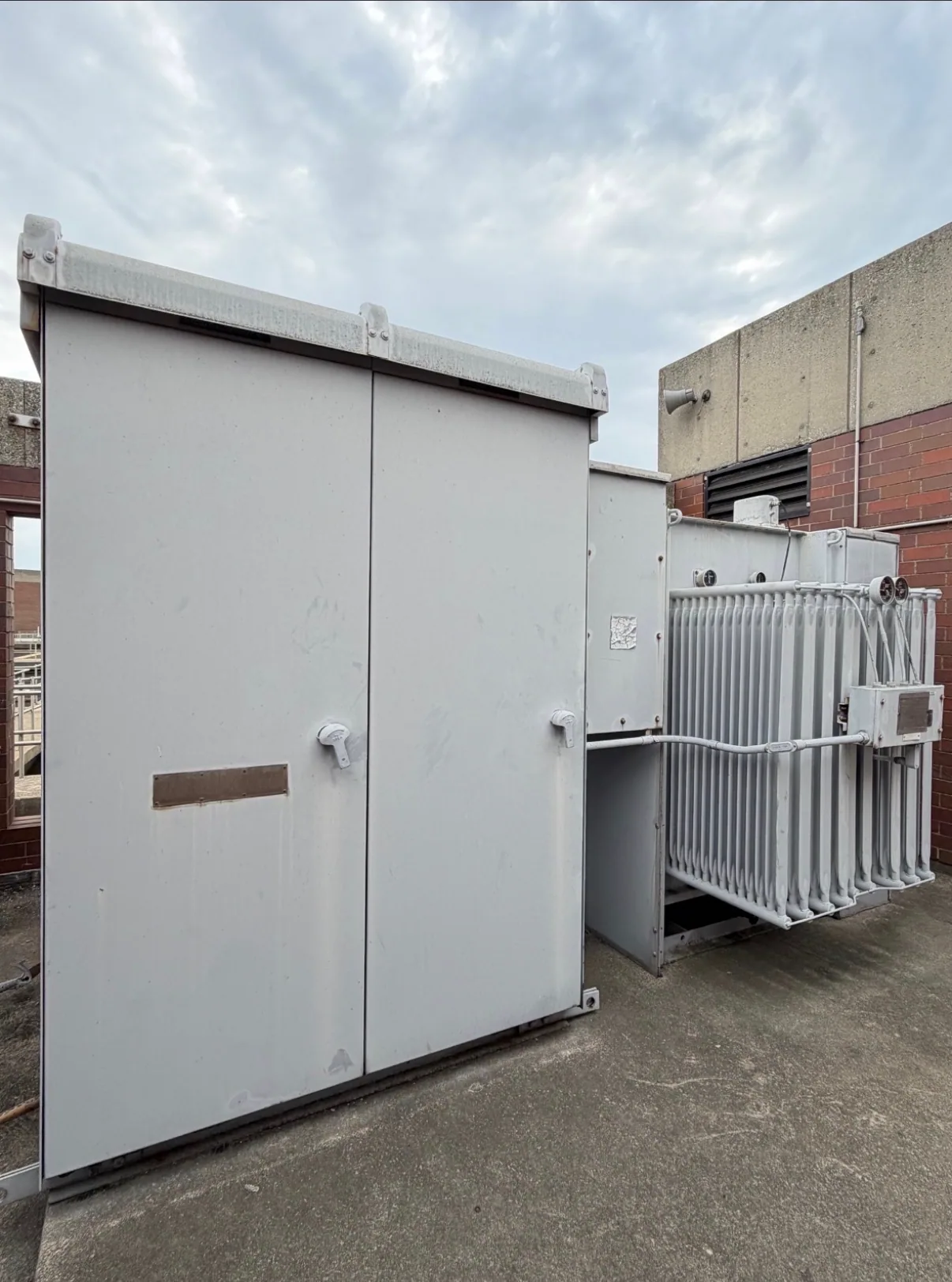
A standard unit substation is engineered as a cohesive, integrated assembly, but the secondary electrical market evaluates it as three distinct and separate components. The primary section typically consists of an incoming load-interrupter switch or a fused disconnect that handles the medium-voltage feed from the utility or upstream distribution. The core of the assembly is the transformer, which steps down the incoming voltage to a usable level for the facility floor. Finally, the secondary section distributes that usable power through a lineup of low-voltage switchgear or a distribution switchboard. Even though these three components are physically close-coupled or throat-connected on your facility floor to function as a single entity, their resale profiles differ significantly based on current market demand, technological obsolescence, and the specific needs of buyers looking for replacement parts or complete sections.
Because we are a direct buyer and not a scrap yard, we evaluate the usable life remaining in each of these three sections rather than just calculating their raw metal weight. The secondary switchgear section might be highly desirable for a facility expansion elsewhere, while the primary switch might have limited resale potential due to changing safety standards. We appraise the entire lineup meticulously to offer a comprehensive purchase price that reflects the true, functional equipment value of the viable components. You receive payment upfront before our trucks ever leave your loading dock, ensuring a clean, secure, and straightforward transaction for your surplus electrical assets without waiting for a broker to find an end user.
It is incredibly common for one section of a unit substation to fail catastrophically while the other components remain perfectly viable for continued reuse. When a facility upgrades an entire lineup due to a transformer failure or a pressing need for increased electrical capacity, the surviving switchgear sections retain significant value on the secondary market. We purchase the complete assembly as it sits, taking full title to the equipment and managing the complex logistics of separating and transporting the sections. This comprehensive approach relieves your facility management team of the burden of finding separate buyers for the switchgear and the transformer, streamlining your asset recovery process and clearing your valuable floor space efficiently.
The Dominant Role Of The Transformer
In almost every unit substation transaction, the transformer dictates both the overall financial value of the assembly and the physical complexity of the removal project. The exact specifications of the transformer, particularly its kVA rating, primary and secondary voltage classes, impedance, and winding materials, are the primary drivers of secondary market demand. A highly sought-after dry-type transformer with standard voltage ratings can make an entire substation lineup extremely valuable, while an obsolete, custom-voltage, or damaged unit may reduce the assembly's worth closer to its base material value. We carefully review the transformer nameplate data, maintenance records, and testing reports to determine exactly how the unit fits into current industry requirements and what its true market value is.
The specific cooling medium of the transformer introduces significant logistical considerations and planning requirements during the decommissioning process. Dry-type transformers are generally straightforward to disconnect, rig, and move, provided the egress path through the facility is clear and rated for the weight. Liquid-filled transformers, however, require strict environmental protocols and specialized handling procedures. Oil-filled units necessitate proper containment measures, fluid sampling, and careful, deliberate handling to prevent any spills or leaks during extraction. Our crews are highly experienced in managing these stringent physical requirements, ensuring that the heavy, fluid-filled equipment is maneuvered safely out of your electrical room without disrupting your ongoing facility operations or risking environmental contamination.
For older liquid-filled transformers, environmental compliance is an absolutely critical factor in both the valuation and the physical removal process. Any oil-filled unit manufactured before 1980 is strictly treated as suspect for Polychlorinated Biphenyls (PCBs) until certified laboratory testing confirms otherwise. We require accurate PCB screening, recent oil analysis, and proper documentation before we can commit to purchasing and removing older liquid-filled substations. Please note that we do not perform asbestos or PCB abatement under any circumstances; if hazardous materials are present in the oil or the surrounding infrastructure, they must be fully remediated by a certified environmental contractor before our crews arrive to extract the equipment.
Disconnection And Removal Logistics
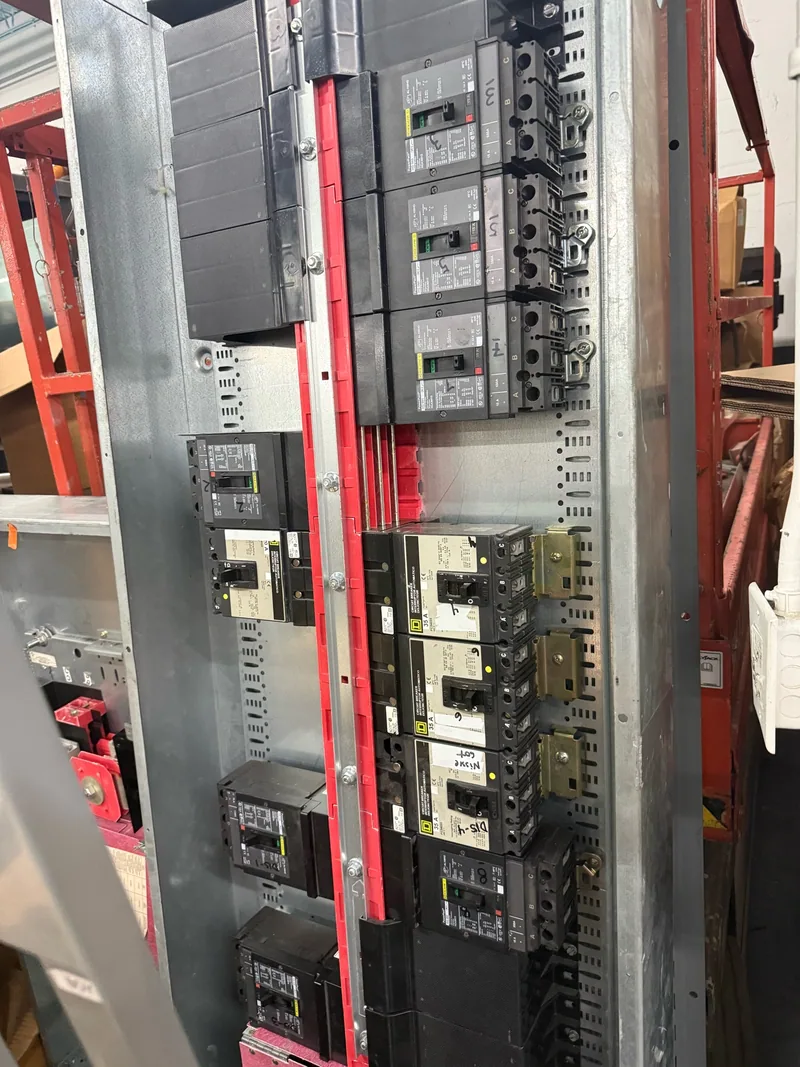
The physical extraction of a unit substation requires careful logistical planning, particularly regarding how the three main sections are mechanically joined together. The primary switch, transformer, and secondary switchgear are typically connected via a rigid throat connection or a custom-fabricated section of bus duct. Deciding exactly where and how to separate these sections is a critical decision point in the removal sequence, as improper dismantling can damage the copper bus and destroy the resale value of the equipment. Our crews evaluate the assembly on-site to determine the safest and most efficient way to unbolt the enclosures, separate the internal bus connections, and prepare each individual section for heavy rigging and transport.
Before our personnel can begin the mechanical separation of the unit substation, the equipment must be completely isolated from the facility grid to ensure absolute safety. We do not perform energized work, live testing, or utility switching under any circumstances. The substation must be fully de-energized, locked out, and tagged out by your facility electrician, electrical contractor, or the local utility provider. Once the system is definitively confirmed dead and safe to work on, our specialized crews take over the mechanical dismantling, heavy rigging, and loading of the massive components onto our specialized transport vehicles for safe transit.
We currently deploy our dedicated removal crews to industrial facilities, commercial buildings, and utility sites across Texas, Florida, New York, Georgia, South Carolina, North Carolina, Virginia, Ohio, Pennsylvania, and Connecticut. By managing the entire process internally from the initial equipment valuation to the final heavy rigging, we provide a streamlined, reliable solution for plant managers and demolition contractors clearing out crowded electrical rooms. You deal directly with the buyer, eliminating frustrating broker delays and ensuring that the heavy, complex components of your retired unit substation are removed safely, professionally, and strictly on your project schedule.
Critical Specifications For Unit Substation Valuation
- Primary switch voltage and continuous current rating
- Transformer kVA capacity and impedance
- Liquid-filled versus dry-type cooling method
- Primary and secondary voltage classes
- Secondary switchgear main breaker ampacity
- Throat connection or bus duct configuration
- PCB test results for pre-1980 oil-filled units
- Enclosure NEMA rating and indoor/outdoor footprint
- Manufacturer and original date of manufacture
Other switchgear we buy
Metal-clad
Compartmentalised drawout gear with grounded barriers and automatic shutters. The most resellable medium-voltage category.
Metal-enclosed
Fixed-mounted interrupter switches and power fuses. Common as utility service entrance and primary distribution gear.
Low-voltage
Drawout air-frame power breakers. The breakers themselves usually carry most of the value in the lineup.
Questions sellers ask
Do you buy unit substations if the transformer has failed?
Yes, we frequently purchase unit substations where the transformer has failed but the primary and secondary switchgear sections remain in good condition. The surviving load-interrupter switches and low-voltage breakers often retain significant resale value for other facilities. We will evaluate the entire lineup and provide a purchase offer based on the usable components that can be salvaged and repurposed.
Who is responsible for handling the oil in a liquid-filled transformer?
The responsibility for handling transformer oil depends on the specific logistics of your site and the age of the unit. While our crews are equipped to handle the physical rigging and removal of intact liquid-filled transformers, we require all PCB testing to be completed prior to our arrival. We do not perform hazardous material abatement, so any required environmental remediation must be handled by your specialized contractors before we take possession.
How do you handle the rigging of a complete substation in a tight electrical room?
Our crews specialize in extracting heavy electrical equipment from challenging industrial environments. We carefully unbolt the throat connections and bus duct to separate the primary, transformer, and secondary sections into manageable pieces. By breaking the unit substation down into its original shipping splits, we can safely rig each section through standard facility corridors and loading docks without damaging your building infrastructure.
Ready to move it out?
To receive a purchase offer for your surplus or retired unit substation, please send us clear photos of the equipment nameplates showing the manufacturer, type, voltage class, and bus ratings. Include a wide photo showing the full lineup from the primary switch to the secondary distribution, along with a brief description of the room's access constraints and egress paths. You can reach our purchasing team directly at (954) 740-1983 or email your equipment details to electricalequipmentbuyers@gmail.com to start the valuation process.