
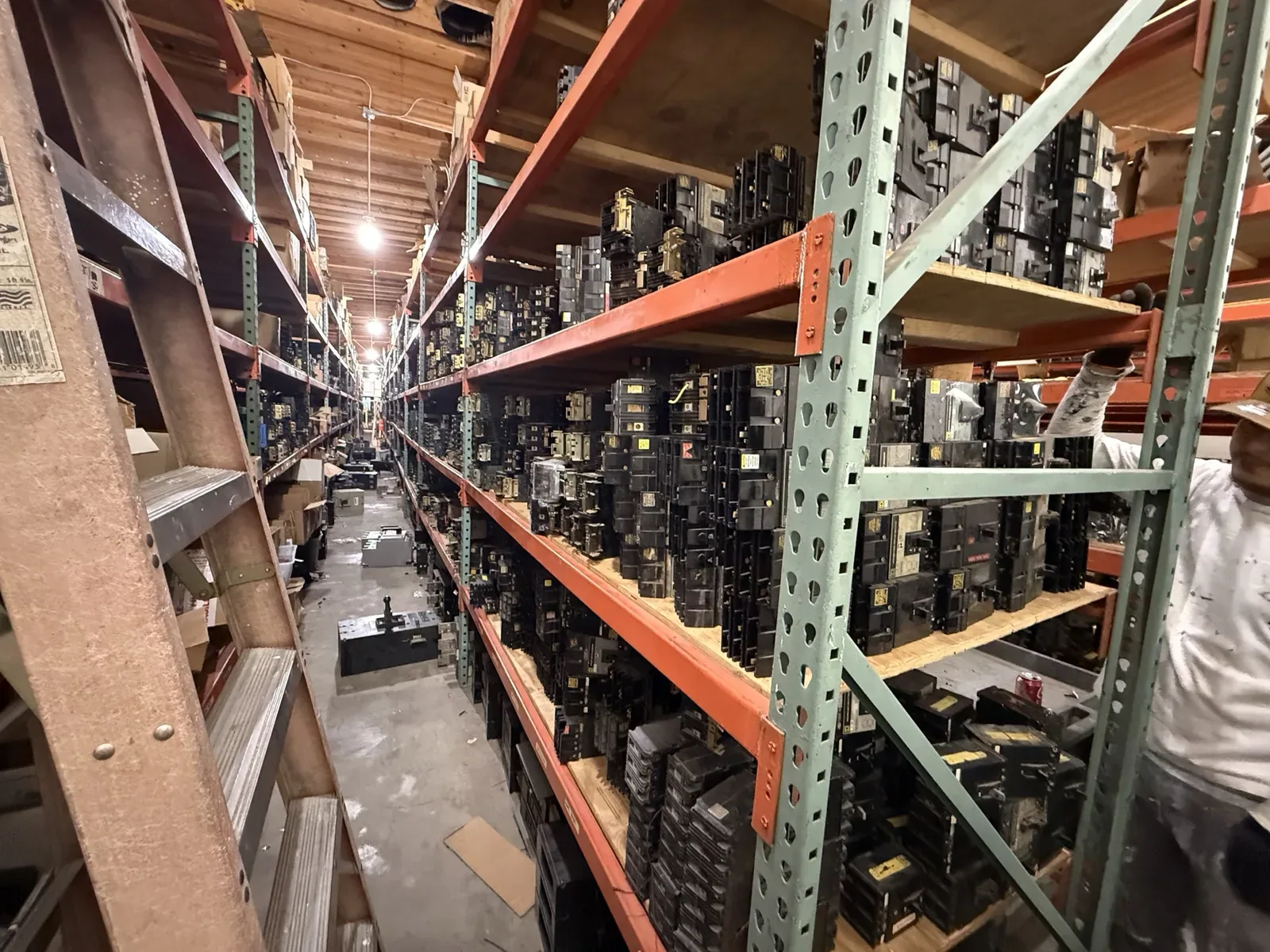
Evaluating Scrap Yards, Online Auctions, and Equipment Brokers
The most immediate option many facilities consider is the local scrap yard, which views a 15kV metal-clad switchgear lineup purely as a source of copper bus and steel weight. While this channel offers a fast exit, it completely ignores the functional value of the equipment. Furthermore, scrap yards do not provide specialized de-installation crews, meaning your facility must hire an electrical contractor to unbolt, rig, and transport the heavy enclosures. You receive a commodity price based on daily metal indexes, leaving thousands of dollars of usable electrical equipment value on the table.
Online auctions and industrial marketplaces present another common route, theoretically exposing your surplus gear to a broad audience. However, this channel places the entire burden of cataloging, photographing, and answering technical questions on your staff. If a buyer is looking for a specific 3000A drawout circuit breaker or a NEMA 3R outdoor enclosure, your listing must accurately detail those specifications. More importantly, auctions introduce significant timeline uncertainty; your equipment sits in the electrical room or takes up valuable warehouse space until a buyer is found, and you are still responsible for loading it onto their freight truck once the sale clears.
Equipment brokers operate differently by actively shopping your inventory to their network of contacts without taking possession of the gear themselves. A broker might promise a high return for your 480V unit substation, but they only finalize the transaction if they secure an end-user. This creates a contingency risk for your project schedule. If the broker's buyer falls through, your facility remains stuck with the equipment, potentially delaying a planned plant closure or a critical infrastructure upgrade. Brokers also rarely handle the physical rigging and removal, leaving the logistical heavy lifting to your team.
Distributors, Rebuilders, and the Direct Buyer Advantage
Some facilities attempt to trade in surplus equipment at a distributor's surplus desk or sell it to an electrical reconditioner. Rebuilders are often interested in specific components, such as vacuum interrupters or specific Square D or Eaton motor control centers, to support their repair operations. While they understand the technical value of the gear, they frequently cherry-pick the most desirable breakers and leave the empty enclosures or less popular sections behind. This partial removal forces your facility to manage a secondary disposal process for the remaining infrastructure, complicating your project timeline and adding unexpected labor costs.
A direct resale buyer operates on a fundamentally different model by purchasing the equipment outright, taking title, and managing the entire removal process. When we evaluate a surplus electrical room, we are looking at the complete system, from the incoming line sections to the feeder breakers. Because we resell switchgear as usable electrical equipment rather than raw metal, we pay more than scrap value. We purchase the equipment directly from you, issue payment upfront before the truck leaves your loading dock, and take full ownership of the assets immediately.
The most significant operational advantage of a direct buyer is the inclusion of professional de-installation and rigging. Once your electrician or the local utility has completely de-energized and isolated the equipment, our specialized crews handle the physical extraction. We unbolt the shipping splits, safely extract the heavy drawout breakers, and rig the metal-enclosed sections out of your facility. This turnkey approach eliminates the need for you to coordinate between a buyer, a rigger, and a freight company, ensuring that the electrical room is cleared on your exact schedule without tying up your own maintenance personnel.
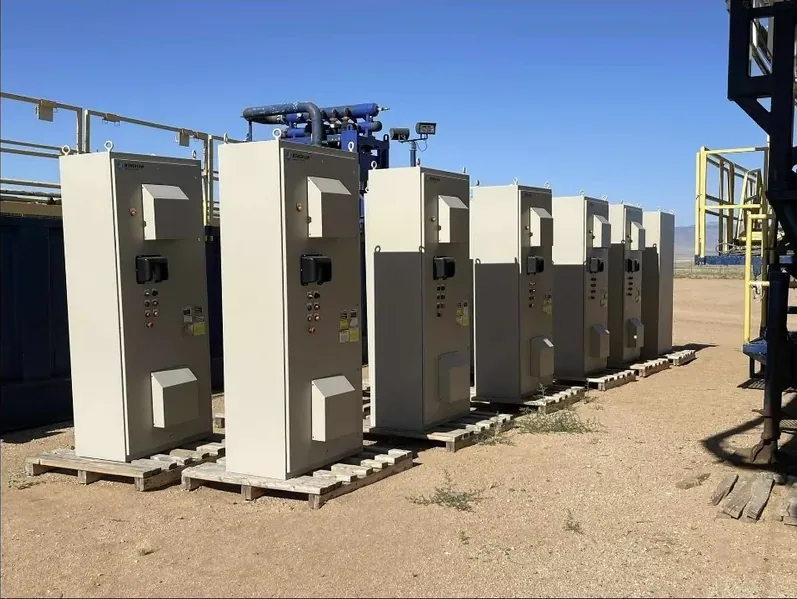
The Importance of Proper Documentation and Chain of Custody
Beyond the physical removal and the financial return, the administrative aspect of asset disposition is critical for corporate compliance. When a plant closes or a commercial lease is surrendered, facility managers must provide clear documentation showing how capital assets were handled. Selling to an informal buyer or a scrap yard often results in vague receipts that fail to satisfy corporate accounting departments. Without a clear paper trail, your company may face challenges during audits or disputes over the final disposition of high-value infrastructure like a 5kV lineup or a large unit substation.
A professional direct buyer provides an itemized written offer and a formal bill of sale that explicitly details the equipment being transferred. This documentation lists the specific manufacturers, voltage classes, and bus ratings of the assets leaving your site. For insurance purposes and corporate record-keeping, this level of detail proves that the equipment was properly sold and transferred to a new owner. It cleanly severs your liability for the hardware and provides your accounting team with the exact figures needed to update the corporate asset ledger.
Ultimately, the decision of where to sell your switchgear should weigh the headline offer against the total cost of removal and the quality of the transaction. A slightly higher speculative offer from a broker means little if it comes with timeline delays, rigging costs, and poor documentation. By choosing a direct buyer who takes title, handles the heavy lifting, and provides rigorous paperwork, you protect your facility from logistical headaches and administrative gaps. You secure a reliable return for your surplus equipment while ensuring a smooth, documented transition that satisfies all stakeholders.
Key Factors to Compare When Choosing a Sales Channel
- Who assumes the risk of finding an end-user
- Whether the buyer takes immediate title to the equipment
- Who is responsible for unbolting and rigging the heavy enclosures
- The timeline from initial agreement to an empty electrical room
- Whether the buyer purchases the entire lineup or cherry-picks components
- The quality of the final bill of sale for accounting purposes
- Whether payment is issued upfront or contingent on a future sale
- The buyer's ability to safely handle large-scale industrial extraction
Related seller guides
Electrical switchgear buyers
Facility managers and demolition contractors often struggle to distinguish between genuine electrical switchgear buyer…
Who buys used switchgear
Facility managers and demolition contractors looking to offload retired electrical infrastructure often wonder who act…
Scrap vs resale
Facility managers often wonder whether their retired electrical equipment is worth more as raw metal or as a functiona…
Questions sellers ask
Do I need to hire a separate rigging company if I sell to a direct buyer?
No, you do not need to hire a separate rigging company when working with us. As a direct buyer, we send our own specialized crews to handle the physical extraction and loading of the equipment. Your only responsibility is ensuring your electrician or utility has completely de-energized and isolated the gear before we arrive. We manage the heavy lifting, unbolting, and transportation.
How does selling to a direct buyer differ from using an equipment broker?
An equipment broker acts as a middleman, shopping your gear to their network and only completing the transaction if they find an end-user. This can cause significant delays and leaves you holding the equipment if a deal falls through. We are a direct buyer, meaning we purchase the equipment outright, take title immediately, and pay you upfront before the truck leaves your facility.
What documentation will I receive for my corporate accounting department?
We provide a formal, itemized bill of sale that clearly details the equipment transferred, including manufacturers, voltage classes, and configurations. This paperwork cleanly documents the change of ownership and provides your accounting team with the exact records needed for asset ledger updates. It is especially useful for documenting disposition during plant closures or lease surrenders.
Ready to move it out?
To get an upfront offer for your surplus equipment, please send us clear photos of the equipment nameplates showing the manufacturer, type, voltage class, and bus rating, along with wide shots of the full lineup and a brief description of the room's access constraints. You can reach our purchasing team directly at (954) 740-1983 or email your photos and details to electricalequipmentbuyers@gmail.com to start the evaluation process.