
Evaluating Unit Substations For Resale
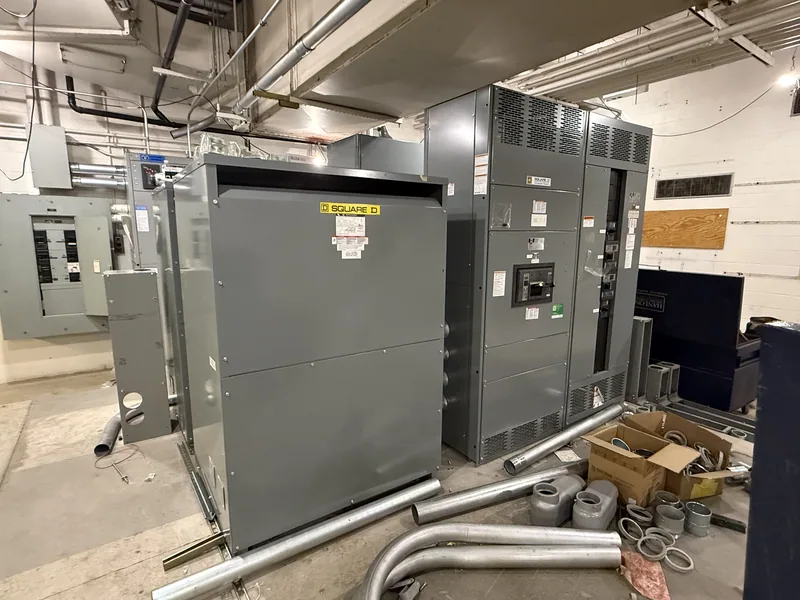
A complete unit substation is a complex assembly of distinct components, each with its own secondary market profile and technical specifications. Typically, these assemblies consist of a primary incoming section, such as a 15kV or 5kV fused load break switch, a step-down transformer, and a secondary distribution section featuring low-voltage metal-enclosed switchgear or a UL 891 switchboard. When we evaluate a substation for purchase, we look at the entire lineup as a single integrated system, but the underlying value is often concentrated in specific sections. The secondary switchgear, especially if it features modern drawout circuit breakers from major manufacturers like Square D, Eaton, GE, or Siemens, often holds significant resale demand. Facility engineers frequently seek these specific breakers to maintain their existing plant infrastructure, making the secondary section a critical driver of the overall purchase offer. We analyze the bus rating, which can range from 800A up to 5000A, to determine the capacity and marketability of the low-voltage distribution components.
The primary switch and the transformer also play crucial roles in the overall valuation of the substation assembly. Primary fused disconnects are common in these outdoor installations, but their value depends heavily on the specific voltage class, the interrupter type, and the physical condition of the insulators and operating mechanisms. Transformers, whether they are dry-type units or liquid-filled designs, are evaluated based on their kVA rating, primary and secondary voltages, and the material used for their internal windings. Because we are direct buyers rather than brokers, we assess the combined value of all these distinct components to offer a comprehensive purchase price for the entire unit substation. We take title to the equipment directly, paying top dollar upfront before our crews ever begin the dismantling process. This approach provides certainty for demolition contractors and facility managers who need to clear space quickly without waiting for a broker to find an end user.
Outdoor equipment faces unique environmental challenges that directly impact its physical condition and ultimate resale potential. NEMA 3R outdoor enclosures, including walk-in aisle designs and non-walk-in configurations, are engineered to shed water and withstand the elements, but years of continuous exposure to rain, snow, and fluctuating temperatures will inevitably take a toll. We carefully inspect the exterior for severe rust-through on the roof panels and base channels, as structural integrity is absolutely vital for safe lifting and heavy transport. Moisture ingress over decades of service can also degrade the internal bus supports, phase barriers, and electrical insulation. By thoroughly understanding these outdoor-specific realities, we can accurately determine the viable equipment yield from a substation decommissioning project, ensuring our purchase offer reflects the true salvageable value of the switchgear and transformer sections.
Managing Outdoor Removal And Crane Access
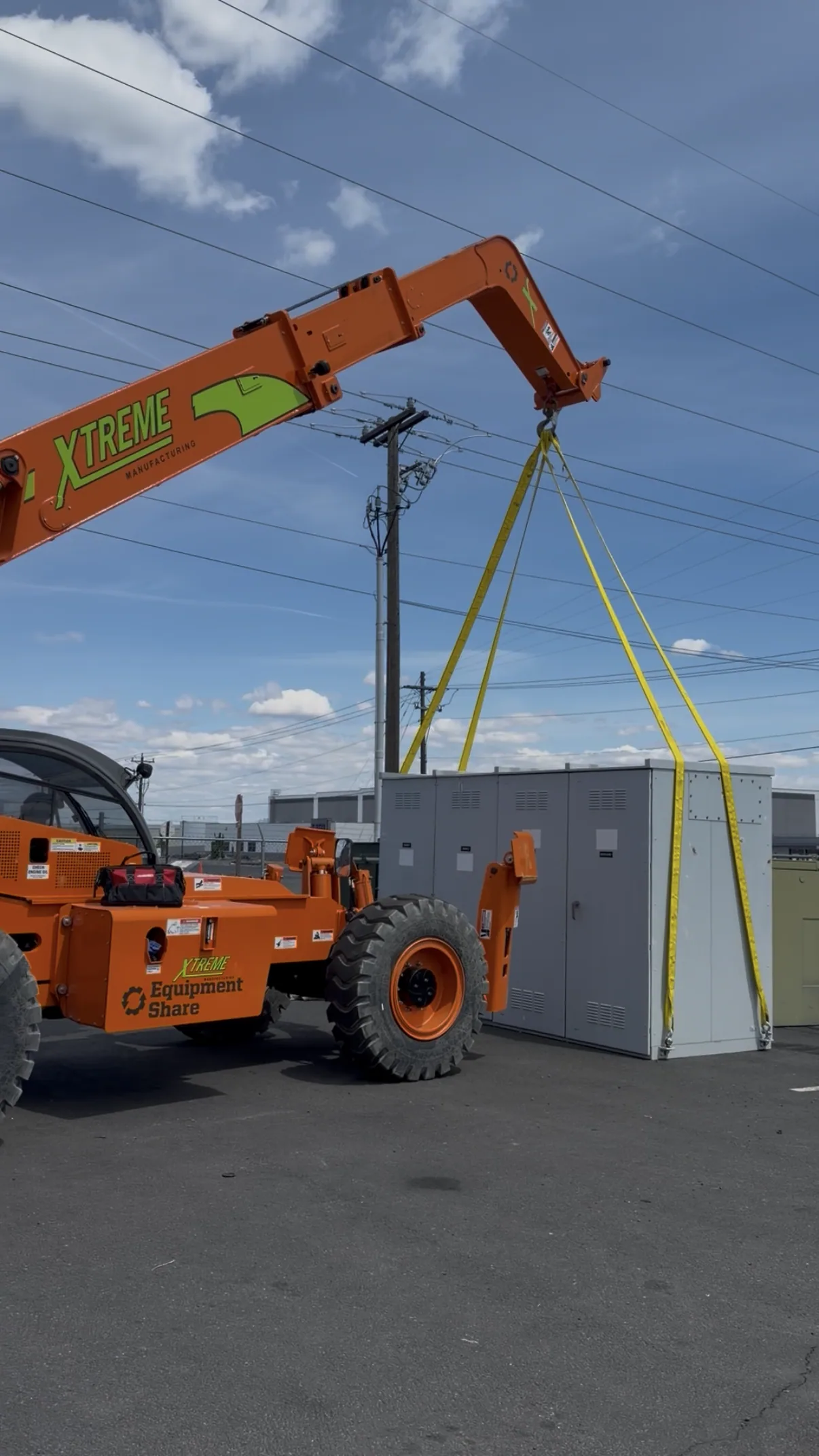
Removing outdoor substation switchgear is a fundamentally different logistical challenge compared to extracting equipment from an indoor electrical plant room. Outdoor substations are frequently situated in remote gravel yards, positioned tightly behind security fence lines, or mounted on elevated concrete pads that complicate heavy machinery access. Access for cranes and specialized rigging equipment is a primary consideration before any dismantling work begins. Our crews coordinate the necessary crane services and heavy rigging apparatus required to safely lift multi-ton transformer sections and bulky switchgear lineups. We evaluate the site meticulously for proper crane outrigger placement, considering soil stability, the presence of deep mud, and the turning radius required for heavy flatbed trailers to position themselves alongside the equipment for loading.
The physical dismantling of an outdoor unit substation involves carefully separating the primary, transformer, and secondary sections, which are typically bolted together and connected by heavy copper or aluminum busbar. Our personnel handle the mechanical separation of these shipping splits, unbolting the structural steel enclosures and internal bus supports to prepare the units for individual lifting. We also manage the mechanical disconnection of the equipment from the facility's grounding grid. It is critically important to note that all equipment must be completely de-energized, locked out, and isolated by your facility's electrician or the local utility before our crews arrive on site. We do not perform energized work or utility switching under any circumstances, ensuring a safe working environment for our removal teams and your site personnel.
Once the switchgear and transformer sections are mechanically separated and properly rigged, they are lifted onto our specialized trailers for secure transport. We take full title to the equipment and handle all the heavy hauling away from your facility, removing the logistical burden from your project management team. Regarding the site itself, our scope of work focuses exclusively on the removal of the electrical apparatus situated above the foundation. We leave the existing concrete pad or foundation securely in place, allowing your civil or demolition contractors to proceed with any subsequent site remediation, grading, or redevelopment without interference. Our primary goal is to execute a safe, highly efficient extraction of the electrical assets without disrupting the broader facility footprint or delaying your overall decommissioning timeline.
Handling Liquid-Filled Transformers And Oil Containment
Many outdoor unit substations utilize liquid-filled transformers, which introduces highly specific environmental and handling requirements during the decommissioning process. The presence of dielectric fluid necessitates strict containment protocols to prevent accidental spills during the dismantling, lifting, and transport phases. When we purchase a substation that includes an oil-filled transformer, we evaluate the unit carefully for any existing leaks around the high-voltage bushings, cooling radiators, or lower drain valves. Proper handling of these heavy, liquid-filled units is critical to maintaining site safety and environmental compliance. Our crews are highly experienced in managing the complex logistics of moving heavy, liquid-filled electrical apparatus safely out of your facility, utilizing specialized rigging techniques to keep the units level and secure during the entire extraction process.
A major consideration with older liquid-filled transformers is the potential presence of Polychlorinated Biphenyls (PCBs) within the dielectric fluid. Industry standards and environmental regulations dictate that any oil-filled electrical equipment manufactured prior to 1980 must be treated as suspect until analytical testing confirms the exact PCB concentration. If your outdoor substation includes older transformers, we require documented oil sample test results from a certified laboratory before we can commit to purchasing and removing the equipment. We do not perform hazardous material abatement, oil draining, or environmental remediation on site; the equipment must be cleared for standard transport and resale. Providing this documentation upfront ensures there are no delays in the valuation or removal phases of your project.
For transformers that are confirmed to be non-PCB or fall within acceptable regulatory limits, we proceed with the purchase and removal as an integral part of the overall substation package. The inherent value of the transformer, combined with the primary switch and secondary switchgear, allows us to pay upfront for the complete assembly. By addressing the transformer oil question honestly and prominently during the initial evaluation, we ensure a smooth, predictable transaction and removal process. Facility managers and demolition contractors across Texas, Florida, New York, Georgia, South Carolina, North Carolina, Virginia, Ohio, Pennsylvania, and Connecticut rely on our straightforward approach to liquid-filled substation components, knowing we handle the heavy lifting and complex logistics once the environmental status is fully verified.
Key Details For Substation Decommissioning
- Primary voltage class and switch type
- Transformer kVA rating and cooling class
- Secondary switchgear bus rating and breaker types
- NEMA 3R enclosure condition and rust assessment
- Crane access and overhead clearance
- Grounding grid disconnection requirements
- Shipping split locations and busbar connections
- Oil testing documentation for liquid-filled units
- Concrete pad dimensions and anchor bolt locations
Related seller guides
Decommissioning
A formal switchgear decommissioning project requires precise planning, clear documentation, and coordinated execution.…
Utilities and co-ops
Municipal power providers and electric cooperatives generate surplus equipment differently than industrial facilities,…
Removal service
Extracting heavy electrical infrastructure requires precise coordination and specialized rigging. We execute the physi…
Questions sellers ask
Do you buy the entire unit substation or just the switchgear?
We purchase the complete unit substation assembly. This includes the primary incoming switch, the step-down transformer, and the secondary distribution switchgear or switchboard. We evaluate the combined resale value of all sections to provide a comprehensive purchase offer for the entire lineup.
Who is responsible for disconnecting the substation from the utility grid?
Your facility's electrical contractor or the local utility must perform all isolation and disconnection work. We require the equipment to be completely de-energized and visibly isolated before our crews begin dismantling. We do not perform any energized work or utility switching.
How do you handle the removal of oil-filled transformers?
We manage the heavy rigging and transport of liquid-filled transformers as part of the substation removal. However, for any unit manufactured before 1980, we require certified laboratory test results confirming the oil is non-PCB before we can purchase it. We do not handle hazardous material abatement.
Ready to move it out?
To receive a purchase offer for your outdoor unit substation, please send us clear photos of the equipment nameplates showing the manufacturer, type, voltage class, and bus rating for each section. Include wide-angle photos of the entire lineup to show the enclosure condition, as well as pictures of the surrounding yard to help us evaluate crane access and rigging requirements. Contact us at (954) 740-1983 or email your photos and site details to electricalequipmentbuyers@gmail.com to discuss your decommissioning project.