
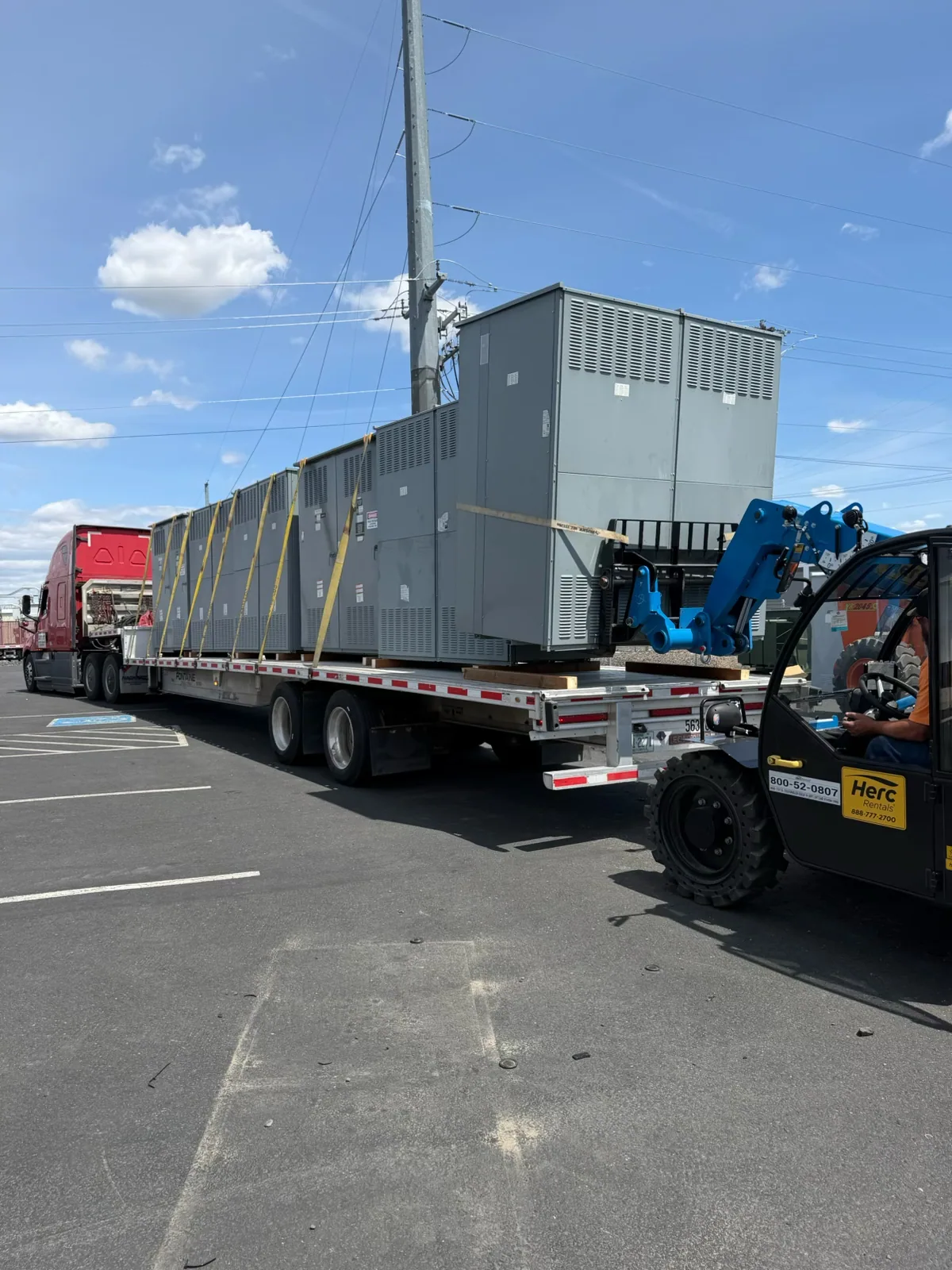
Understanding The Value Of Metal-Clad Switchgear In The Secondary Market
Metal-clad switchgear, defined by the ANSI/IEEE C37.20.2 standard, represents the most resellable category of medium-voltage electrical equipment on the secondary market. Unlike standard metal-enclosed gear, metal-clad lineups feature grounded metal barriers that completely isolate all live parts and separate the structure into distinct compartments for breakers, bus, cables, and controls. This strict compartmentalization not only provides superior arc containment and operational safety but also makes the equipment highly modular. When a facility upgrades or decommissions a plant, the individual drawout removable interrupting elements can be extracted, tested, and sold separately to other facilities that need matching units to expand their existing lineups or replace failed components.
The inherent design of metal-clad switchgear means that even if a complete lineup cannot be reused in its entirety, the individual components retain substantial value. The drawout breakers, protective relays, instrument transformers, and insulated bus sections are constantly in demand. Facilities operating legacy 4.16kV through 38kV systems with 1200A to 5000A bus ratings frequently require exact replacements to maintain their operations without undertaking a complete infrastructure overhaul. By selling your retired metal-clad switchgear to a direct buyer who understands this secondary market, you capture the true equipment value rather than settling for the raw metal weight offered by a standard scrap yard.
We operate as a direct buyer of these systems, meaning we take title to the equipment and pay the seller upfront before our trucks leave your site. We are not brokers looking to flip a contract; we are the actual purchasers who will send our own crews to de-install and haul the gear away. Because we evaluate the switchgear based on its potential for reuse and refurbishment, we can offer top dollar for well-maintained lineups. Whether you are a demolition contractor clearing an industrial site or a facility engineer managing an electrical upgrade, selling your metal-clad switchgear as usable equipment maximizes your return on the decommissioned assets.
Critical Inspection Points For Medium-Voltage Metal-Clad Lineups
When evaluating metal-clad switchgear for purchase, our inspection process focuses on the specific features that dictate its viability for resale. The first point of assessment is the master nameplate, which provides the manufacturer, type, voltage class, and continuous current rating of the main bus. We then inventory the drawout breaker frames to determine how many are present, missing, or damaged. Because the breakers are the most frequently cycled components and hold significant individual value, their condition heavily influences the overall purchase offer. We also examine the automatic shutters over the primary stabs and the mechanical interlocks to ensure they operate correctly and have not been bypassed or damaged during previous maintenance events.
The condition of the insulated bus and the internal compartments is equally critical to the evaluation. We inspect the bus compartment for any signs of moisture intrusion, corona discharge, or tracking along the insulation, which can indicate underlying degradation that compromises the dielectric integrity of the gear. Since metal-clad switchgear relies on insulated bus bars rather than bare copper or aluminum, the health of this insulation is paramount. Additionally, we assess the control compartments to see whether the protective relaying, control wiring, and current or potential transformers are intact. Complete, unmodified control sections are highly desirable for buyers looking to drop a matching section into an existing lineup.
Before our crews can begin the physical removal of the switchgear, the equipment must be completely de-energized and isolated by the facility owner's electrician or the local utility. We do not perform energized work, utility switching, or any form of asbestos and PCB abatement. Once the gear is confirmed safe and dead, our specialized teams handle the heavy rigging, separation of the shipping splits, and extraction from the electrical room. By understanding exactly what makes metal-clad gear valuable and knowing how to safely dismantle it, we streamline the asset recovery process for industrial facilities and contractors.
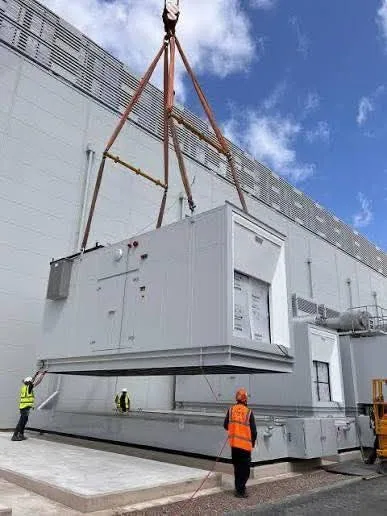
Efficient Removal And Logistics For Heavy Electrical Infrastructure
Removing metal-clad switchgear requires careful planning and specialized rigging capabilities due to the sheer size and weight of the equipment. A typical medium-voltage lineup consists of multiple vertical sections bolted together, with heavy drawout breakers that must often be removed prior to moving the structures. Our crews are experienced in separating these lineups at their factory shipping splits, carefully unbolting the main bus splice plates, and disconnecting the control wiring across the shipping breaks. This methodical approach ensures that the structural integrity of the enclosures and the alignment of the drawout rails are preserved, which is essential for the equipment to be successfully reassembled and reused at a future location.
Logistics play a major role in the successful extraction of these large electrical assets. Metal-clad switchgear is frequently installed in dedicated electrical rooms, basements, or elevated mezzanines with limited access and tight clearances. We evaluate the egress path, including door dimensions, floor load capacities, and the availability of loading docks or crane access, to develop a safe removal plan. Our teams bring the necessary skates, jacks, and lifting equipment to navigate the gear through the facility without causing damage to the building infrastructure. We manage the entire transportation process, loading the sections onto our specialized flatbed or step-deck trailers for secure transit to our processing facilities.
Our direct purchasing and removal services are available to facilities across our specific operating region, which includes Texas, Florida, New York, Georgia, South Carolina, North Carolina, Virginia, Ohio, Pennsylvania, and Connecticut. By consolidating the buying, de-installation, and hauling into a single turnkey operation, we eliminate the need for sellers to coordinate between separate riggers, freight companies, and equipment brokers. You deal directly with the purchaser from the initial valuation through the final load-out, ensuring a smooth transaction and immediate payment upfront for your surplus metal-clad switchgear.
Key Specifications And Inspection Points For Metal-Clad Switchgear
- ANSI/IEEE C37.20.2 compliance verification
- Grounded metal barriers between all compartments
- Drawout removable interrupting elements
- Automatic shutters over primary stabs
- Insulated main bus condition
- 4.16kV through 38kV voltage class
- 1200A to 5000A continuous bus rating
- Presence of intact protective relaying and CTs/PTs
- Inspection for moisture or tracking in bus compartments
Other switchgear we buy
Metal-enclosed
Fixed-mounted interrupter switches and power fuses. Common as utility service entrance and primary distribution gear.
Low-voltage
Drawout air-frame power breakers. The breakers themselves usually carry most of the value in the lineup.
Medium-voltage
The whole medium-voltage band, from 4.16 kV motor service through 38 kV utility class distribution.
Questions sellers ask
What is the difference between metal-clad and metal-enclosed switchgear?
Metal-clad switchgear features grounded metal barriers that separate the internal space into distinct compartments for the breakers, bus, cables, and controls. It also utilizes drawout removable breakers, insulated main bus bars, and automatic shutters over the primary connections. Standard metal-enclosed gear typically lacks this strict compartmentalization and may use fixed breakers and bare bus.
Do I need to remove the drawout breakers before you buy the switchgear?
No, you should leave the drawout breakers in their respective cubicles. We purchase the entire lineup as a complete system, and keeping the breakers in place helps protect the internal components and primary stabs during the initial evaluation. Our crews will handle the safe removal and securing of the breakers when we arrive to extract the equipment.
Will your team disconnect the switchgear from the live utility feed?
We do not perform any energized work or utility switching. The switchgear must be completely de-energized, isolated, and locked out by your facility's electrician or the local utility provider before our crews arrive. Once the equipment is verified as dead, we will handle the mechanical separation and physical removal from the building.
Ready to move it out?
To sell your surplus or retired metal-clad switchgear, please send us clear photos of the master nameplate showing the manufacturer, type, voltage class, and bus rating, along with a wide photo of the full lineup. We also need a brief description of the electrical room's access constraints so we can plan the rigging and extraction. Contact us at (954) 740-1983 or email your photos and details to electricalequipmentbuyers@gmail.com to receive a direct purchase offer.