
Managing The Paperwork Trail For Electrical Decommissioning
A successful switchgear decommissioning project generates a substantial paperwork trail that facility managers, electrical contractors, and demolition professionals must manage carefully from inception to completion. When retiring a primary service entrance or a secondary distribution network, corporate accounting departments and commercial property owners require a clear, unbroken disposition record for every major asset. This means tracking the equipment meticulously, starting from the initial one-line drawings and comprehensive asset lists, down to the specific tag numbers assigned to each individual lineup of switchgear. Maintaining this rigorous chain of custody ensures that corporate accounting can properly write off the depreciated assets from the general ledger and that strict lease surrender conditions are met without the risk of future legal or financial disputes. The administrative burden of a decommissioning project is often as complex as the physical extraction, making accurate documentation a fundamental requirement for project success. Facility engineers must ensure that every piece of equipment is accounted for to satisfy internal audits and external regulatory reviews.
As a direct buyer of surplus electrical equipment, we simplify this critical documentation process by providing a clean, verifiable transfer of ownership for every asset we acquire. When we purchase your 15kV metal-clad switchgear, 480V drawout switchboards, or obsolete motor control centers, we issue a formal bill of sale that clearly identifies the specific equipment being removed from the premises. This documentation proves definitively that the assets were sold for secondary reuse rather than discarded in a landfill, which is frequently a strict requirement for corporate sustainability metrics and environmental compliance reporting. Because we pay top dollar upfront before our trucks ever leave the facility, the financial transaction is settled immediately, and the bill of sale serves as your definitive proof of disposition. This streamlined approach eliminates the prolonged waiting periods and administrative uncertainty typically associated with consigning equipment or waiting for a third-party sale. By dealing directly with the end buyer, facility managers eliminate the middleman and secure a transparent, fully documented transaction that satisfies the most stringent corporate accounting standards.
For the ancillary components and degraded materials that cannot be reused and are genuinely destined for scrap, the documentation requirements shift heavily toward environmental compliance and waste tracking. In these specific instances, facility engineers and project managers need certified weight tickets and official certificates of recycling to prove the proper disposal of raw metals and non-salvageable parts. By clearly separating the highly valuable, usable electrical equipment that we purchase from the raw materials destined for standard recycling, project managers can maximize their financial return on the facility's assets while maintaining strict compliance with internal decommissioning protocols. Proper documentation at every step of this bifurcated process prevents administrative delays and compliance audits long after the physical removal of the switchgear is complete, allowing the project team to close out the job with complete confidence. Maintaining this clear distinction between valuable electrical assets and basic scrap metal is essential for optimizing the financial performance of the entire decommissioning initiative.
Phased De-Energization And Project Sequencing
Large industrial manufacturing facilities, commercial data centers, and institutional campuses rarely have the luxury of shutting down all operations simultaneously, making precise project sequencing a critical component of any switchgear decommissioning effort. When a facility is being de-energized in carefully planned phases, certain critical loads—such as life safety systems, server rooms, or continuous production lines—must remain fully operational while other sections of the electrical distribution system are systematically retired. This complex environment requires meticulous coordination between the facility's resident electrical contractor, the local utility provider, and our specialized removal crews. We work seamlessly within your established project timeline to extract surplus equipment, such as 5kV motor control centers or 4000A main tie main switchboards, only after the owner's electrician has safely isolated, locked out, and de-energized the specific circuits slated for removal. This careful orchestration ensures that the facility's core functions are never compromised during the extraction process.
Integrating our asset recovery operations into a phased decommissioning schedule means that our crews arrive on site exactly when the equipment is ready for safe extraction, preventing unnecessary delays or site congestion. We strictly do not perform any energized work, so the rigorous adherence to standard lockout and tagout procedures by your authorized site personnel dictates our operational window. Once a specific unit substation or a multi-section lineup of metal-enclosed switchgear is verified dead and cleared for work, our team immediately begins the mechanical disassembly, heavy rigging, and loading process. This highly phased, methodical approach allows the broader facility to maintain its critical operations or production quotas while the obsolete or surplus electrical infrastructure is systematically removed and monetized, turning a logistical challenge into a streamlined revenue-generating process. Our experienced crews understand the critical nature of working within an active facility and strictly adhere to all site-specific safety protocols and access restrictions.
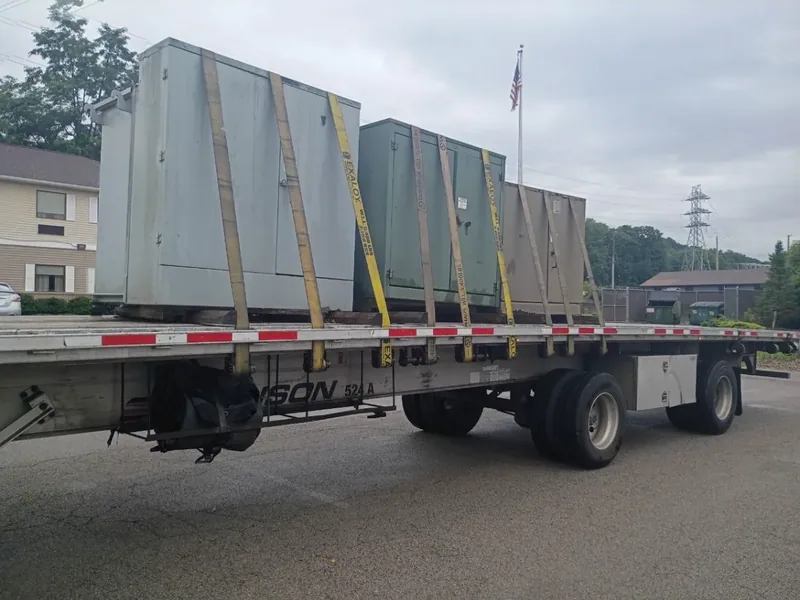
The physical logistics of removing heavy, bulky electrical equipment must also align perfectly with the overall site demolition, renovation, or construction schedule. Moving a massive, multi-section lineup of arc-resistant switchgear or a heavy cast-resin transformer requires clear egress paths, suitable loading dock availability, and coordinated crane or heavy forklift access. By planning the removal phase early in the project lifecycle, facility managers can avoid severe logistical bottlenecks where dead equipment occupies valuable floor space needed for new construction or incoming replacement gear. We coordinate our heavy rigging and transportation logistics directly with your project managers to ensure that the physical extraction of the switchgear actively supports, rather than hinders, the broader critical path of the facility's decommissioning effort. Proper logistical planning prevents costly delays and ensures that the physical removal of the equipment aligns perfectly with the overarching project milestones.
Resolving Boundary Disputes And Late-Stage Questions
In any major electrical decommissioning project, boundary disputes and scope gaps frequently surface late in the execution phase if they are not explicitly addressed and resolved during the initial planning stages. One of the most common points of operational confusion involves the physical infrastructure and civil work supporting the electrical equipment. Project managers must determine early on who owns the concrete housekeeping pads and who is specifically responsible for grinding down or capping the conduit stubs once the NEMA 3R outdoor switchgear is physically removed from the site. Clarifying these specific civil and mechanical responsibilities prevents last-minute change orders, avoids budget overruns, and ensures that the site is left in the exact condition required by the property owner, the incoming tenant, or the next phase of the construction project. Addressing these civil and mechanical details early in the planning phase allows the project team to allocate resources effectively and avoid unexpected delays during the final stages of the decommissioning effort.
Underground electrical infrastructure and utility interfaces present another complex set of challenges that require early resolution to prevent project delays. The ownership, extraction, and disposal of medium voltage cable left in the underground trench can quickly become a contentious issue between demolition contractors, electrical subcontractors, and facility owners. Similarly, the disposition of the utility's proprietary metering equipment, current transformers, and potential transformers must be coordinated directly with the local power provider long before the main switchboard is dismantled. Establishing clear, documented lines of demarcation for these specific components ensures that our removal crews can extract the purchased switchgear efficiently without inadvertently disrupting utility-owned assets, violating utility agreements, or leaving abandoned cables unresolved in the trenches. Proactive communication with the utility provider and clear delineation of contractor responsibilities are essential for maintaining project momentum and avoiding costly jurisdictional disputes.
Environmental responsibilities, particularly concerning fluid-filled electrical equipment, must also be clearly defined and assigned before the physical decommissioning work begins. When an aging unit substation or an oil-filled transformer is slated for removal, the project team must establish exactly who is responsible for the environmental testing, draining, and proper disposal of the transformer oil or other insulating fluids. While we purchase the dry electrical equipment and handle its mechanical disassembly and physical removal, the environmental remediation and handling of insulating fluids typically falls under a separate, specialized scope of work. By settling these critical boundary questions during the initial site walk and contract review, facility engineers can execute a seamless, compliant decommissioning project that maximizes the financial value of the assets while minimizing operational friction and environmental liability. A well-planned decommissioning project accounts for every variable, ensuring that the physical removal of the switchgear is executed safely, efficiently, and in full compliance with all relevant regulations.
Critical Documentation For Switchgear Decommissioning
- Original one-line diagrams detailing the facility's electrical distribution
- Comprehensive asset lists with corresponding equipment tag numbers
- Formal bills of sale documenting the transfer of ownership for usable switchgear
- Weight tickets for any materials processed through a scrap yard
- Certificates of recycling for components that cannot be repurposed
- Environmental testing reports for transformer oil and insulating fluids
- Utility correspondence regarding the removal of metering equipment
- Lease surrender documents requiring proof of proper equipment disposition
- Lockout and tagout logs verifying the isolation of de-energized circuits
Related seller guides
Removal service
Extracting heavy electrical infrastructure requires precise coordination and specialized rigging. We execute the physi…
Plant shutdowns
Closing a manufacturing facility requires a strict sequence of operations to prevent valuable electrical assets from b…
Substation removal
Decommissioning an outdoor unit substation requires specialized heavy rigging and a clear understanding of the equipme…
Questions sellers ask
Do you handle the electrical disconnection of the switchgear?
We do not perform any energized work or handle the electrical disconnection of the equipment. The switchgear must be completely de-energized, isolated, and verified dead by the facility owner's electrician or the local utility before our crews arrive. Once the equipment is safely locked out and tagged out, our team manages the mechanical disassembly, rigging, and physical removal from your site.
How do you coordinate removal during a phased facility shutdown?
We integrate our removal schedule directly into your broader decommissioning project timeline. Because large facilities often maintain critical loads while retiring other sections, we extract equipment in phases as it becomes available and is safely de-energized. This coordinated approach ensures that your ongoing operations remain uninterrupted while surplus assets are systematically removed and monetized.
What paperwork do you provide for our accounting department?
We provide a formal bill of sale for all the electrical equipment we purchase, which serves as a definitive disposition record for your accounting and property management teams. This documentation proves that the assets were sold for reuse, satisfying corporate requirements for asset write-offs and lease surrender conditions. You receive this paperwork along with your payment upfront before the equipment leaves your facility.
Ready to move it out?
To begin the asset recovery phase of your switchgear decommissioning project, please send us photos of the equipment nameplates showing the manufacturer, type, voltage class, and bus rating. Include a wide photo of the full lineup and a brief description of the room's access constraints, such as loading dock availability or narrow corridors. You can reach our team at (954) 740-1983 or email your project details to electricalequipmentbuyers@gmail.com to discuss your timeline and schedule a removal in our 10-state service area: Texas, Florida, New York, Georgia, South Carolina, North Carolina, Virginia, Ohio, Pennsylvania, and Connecticut.