
Breaking Down the Components of Switchgear Value
When evaluating a lineup of surplus electrical equipment, the total value is rarely derived from the structure as a single monolithic entity. Instead, the valuation is built by assessing the individual components that make up the system. In many cases, the drawout breakers represent the majority of the financial value. These breakers are highly sought after as individually resellable units for facilities looking to maintain or expand their existing infrastructure. Whether dealing with 480V air-magnetic breakers, 5kV air circuit breakers, or 15kV vacuum interrupters, the condition, age, and specifications of these primary components establish the baseline for the overall offer. A lineup containing ten modern vacuum breakers will inherently appraise much higher than a similar structure containing only two obsolete air-magnetic units.
Beyond the breakers, the structure and the internal bus system contribute significantly to the appraisal. A metal-clad enclosure built to strict ANSI C37.20.2 standards with a high-capacity copper bus rating, such as 3000A, 4000A, or 5000A, holds substantial inherent value. The physical integrity of the bus bracing, the condition of the insulation, and the absence of thermal damage all play a role in determining how much of the structure can be salvaged and repurposed. The relaying, metering, and instrument transformers housed within the auxiliary compartments are also carefully evaluated. Modern solid-state protective relays or well-maintained electromechanical relays can add meaningful increments to the total valuation, provided they are functional and relevant to current industry applications.
Finally, the residual metal and structural materials are factored into the equation, though they represent the lowest tier of value. Because we purchase equipment to resell it as usable electrical infrastructure rather than processing it for raw materials, we pay more than scrap value. We are a direct buyer, not a scrap yard and not a broker, which means our valuation is based on the secondary market demand for electrical components. However, any components that are damaged beyond repair, heavily corroded, or obsolete to the point of having no secondary market demand will be assessed based on their base material worth. This comprehensive component breakdown ensures that the seller receives a fair, accurate, and highly detailed assessment of their entire asset.
Multipliers and Discounts That Impact Your Offer
Several critical variables act as multipliers or discounts on the baseline component value of your switchgear. The manufacturer and the specific product line are primary drivers of market demand. Equipment from currently supported lines by major manufacturers like Square D, Eaton, GE, Siemens, or ABB typically commands a premium because replacement parts and expansions are actively sought by facility engineers across various industries. Conversely, vintage equipment from legacy brands such as Allis-Chalmers, ITE, or older Westinghouse lines may have a narrower buyer pool. While specific rare components from these legacy systems can sometimes carry unexpected value for facilities desperate to keep older unit substations operational, the overall structure often appraises lower than modern equivalents.
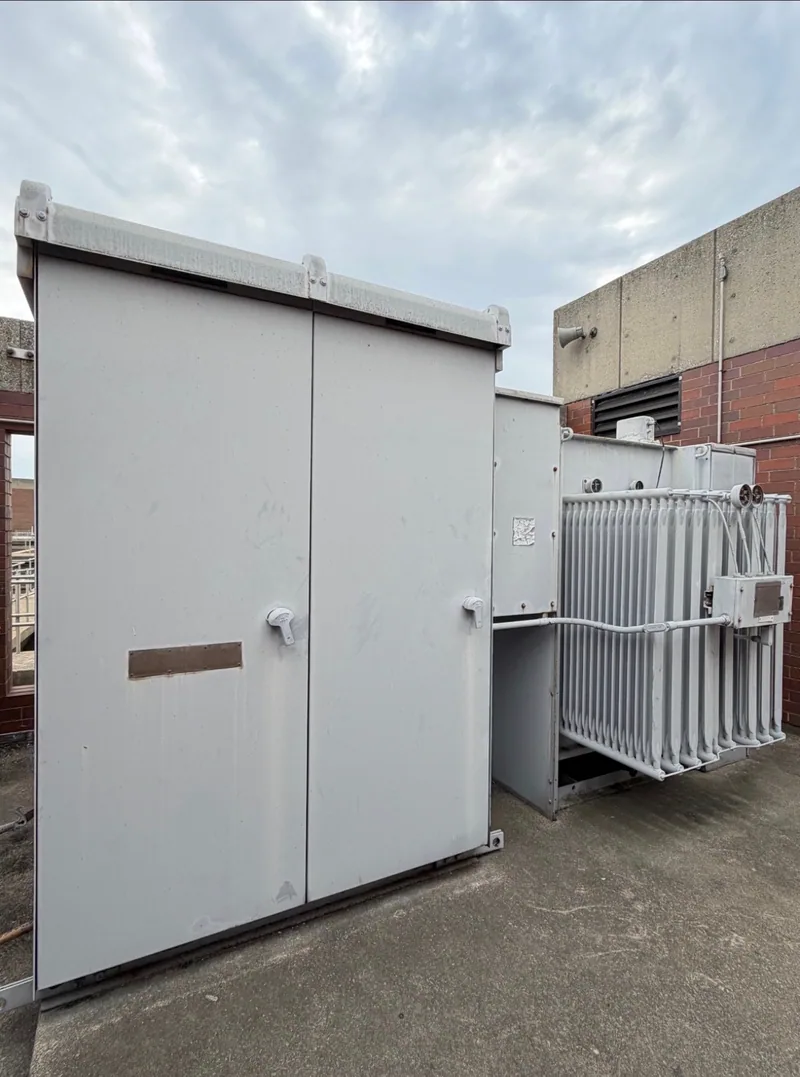
The physical environment where the equipment has spent its operational life heavily influences the valuation. A NEMA 1 indoor lineup housed in a clean, climate-controlled electrical room will almost always appraise higher than a NEMA 3R outdoor walk-in enclosure that has been exposed to humidity, temperature fluctuations, and environmental degradation. Outdoor gear is more susceptible to rust, condensation, and pest intrusion, all of which degrade the internal components and require extensive refurbishment before resale. Additionally, the completeness of the gear is a major factor. A fully intact lineup is worth significantly more than one that has been picked over for spare parts. Missing breakers, removed relays, or cannibalized bus connections require substantial investment to remediate, which directly reduces the purchase offer.
Documentation also plays a vital role in establishing confidence and value. When a seller can provide original factory drawings, maintenance logs, coordination studies, and recent test reports, it significantly reduces the risk associated with acquiring used equipment. These documents verify the operational history, maintenance intervals, and exact specifications, making the gear easier to process, test, and market to future buyers. Without this documentation, the valuation must account for the additional labor and engineering time required to verify the integrity of the bus bracing, insulation resistance, and mechanical operation of the interrupters. A well-documented maintenance history acts as a strong multiplier for the final valuation.
How Removal Logistics Affect the Final Valuation
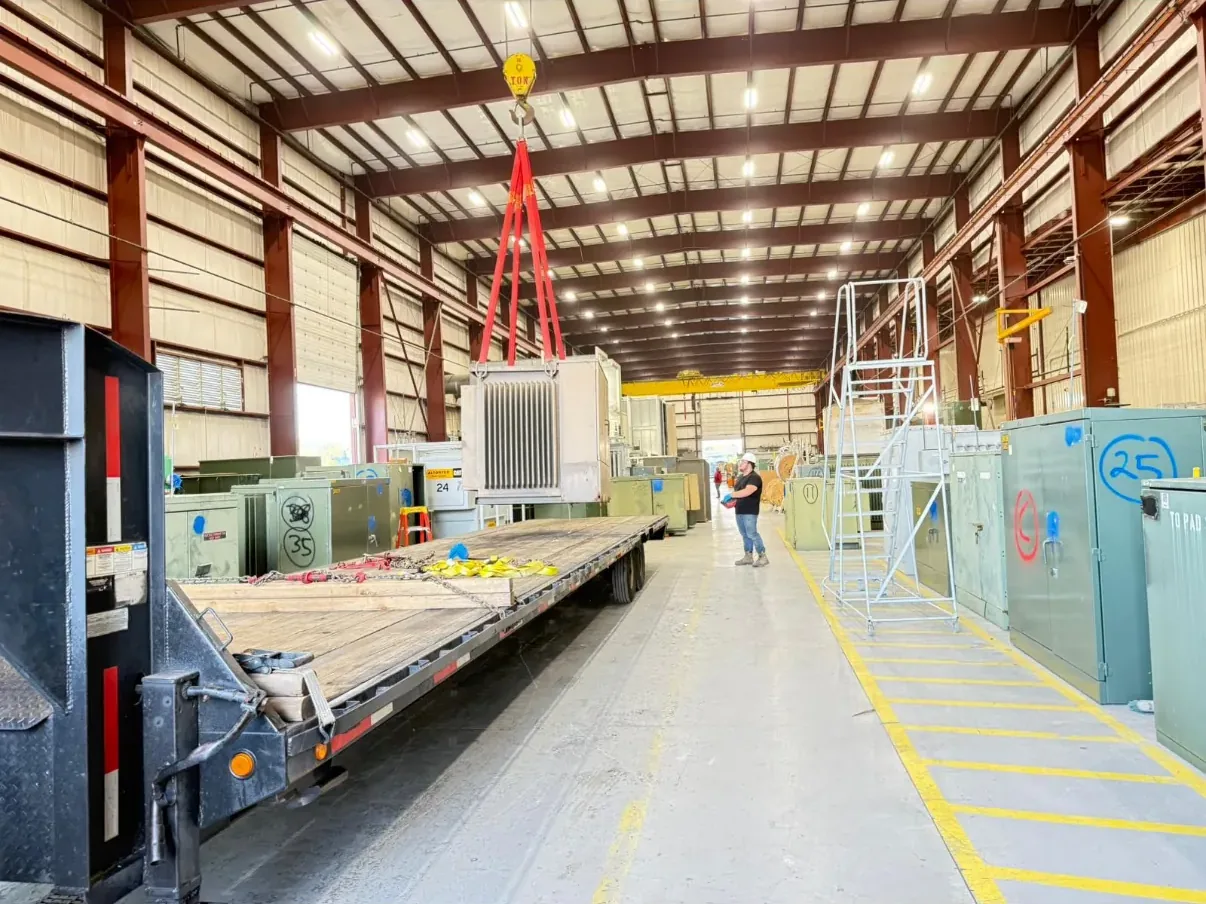
The physical location and accessibility of the equipment are inseparable from its final valuation. Because we send our own crews to de-install and haul the equipment, the cost of that labor, travel, and logistics must be factored into the purchase price. A straightforward removal where a 600V switchboard or a standard 4.16kV lineup is located on a ground-floor loading dock allows our crews to load the equipment quickly and efficiently. In this scenario, the removal costs are minimal, allowing a much larger portion of the equipment's inherent value to be passed directly to the seller. Efficient logistics translate directly into a higher net offer for the facility.
Conversely, complex extractions require specialized rigging, extended labor hours, and additional logistical planning. If a 15kV or 27kV lineup is situated in a sub-basement with narrow corridors, limited freight elevator access, or requires partial disassembly just to clear the doorways, the cost of extraction increases dramatically. This removal difficulty is directly subtracted from the gross value of the equipment. An identical lineup of switchgear will yield a lower net offer if it requires three days of intensive rigging, custom dollies, and structural modifications to the building compared to one that can be rolled onto a truck in a single afternoon. We evaluate these site-specific constraints carefully during the initial review process.
To maintain complete transparency throughout this process, we provide itemized quotes. This allows the seller to see exactly how the valuation is constructed, line by line. You will see the value assigned to the drawout breakers, the structure, the auxiliary components, and the specific deductions applied for the logistical challenges of your facility. Once the valuation is agreed upon, we pay upfront before the truck leaves your site, ensuring a secure transaction. By breaking down the offer in this detailed manner, facility managers and demolition contractors can clearly understand the financial mechanics behind the used switchgear price and make informed decisions about their surplus electrical assets.
Key Factors That Determine Used Switchgear Price
- Manufacturer and current market demand for the specific product line
- Condition and specifications of the drawout breakers
- Ampacity and material of the internal bus system
- Presence of modern solid-state relays and metering equipment
- Environmental exposure and enclosure type (indoor versus outdoor)
- Completeness of the lineup and absence of cannibalized parts
- Availability of original drawings and recent maintenance test reports
- Complexity of the extraction and site access constraints
- Geographic location within our ten-state service area
Related seller guides
Free appraisal
Facility managers and electrical contractors often need a clear understanding of what their surplus equipment is worth…
Scrap vs resale
Facility managers often wonder whether their retired electrical equipment is worth more as raw metal or as a functiona…
By voltage class
The voltage class printed on your equipment nameplate is the single most critical factor in determining its resale mar…
Questions sellers ask
Do you provide a breakdown of how the switchgear value is calculated?
Yes, we provide an itemized quote for every project. This allows you to see exactly how much value is attributed to the drawout breakers, the structure, and the internal components. We also clearly outline any deductions related to the logistical difficulty of removing the equipment from your specific facility.
Will you still buy my switchgear if some breakers have already been removed?
We routinely purchase incomplete lineups, but the missing components will impact the final valuation. Since drawout breakers often represent a significant portion of the total value, a lineup that has been picked over for parts will appraise lower than a fully intact system. We will evaluate the remaining structure, bus, and components to determine a fair purchase price.
Does the equipment need to be disconnected before you evaluate its worth?
We can provide an initial valuation based on photographs and specifications while the equipment is still in service. However, before our crews arrive to perform the removal, the switchgear must be completely de-energized and isolated by your facility's electrician or the local utility. We do not perform energized work under any circumstances.
Ready to move it out?
To get an accurate valuation for your surplus equipment, please send us clear photos of the master nameplate showing the manufacturer, type, voltage class, and bus rating. Include a wide photograph of the full lineup and a brief description of the room's access constraints, such as stairs or narrow doorways. You can reach our purchasing team directly at (954) 740-1983 or email your photos and details to electricalequipmentbuyers@gmail.com to start the evaluation process.