
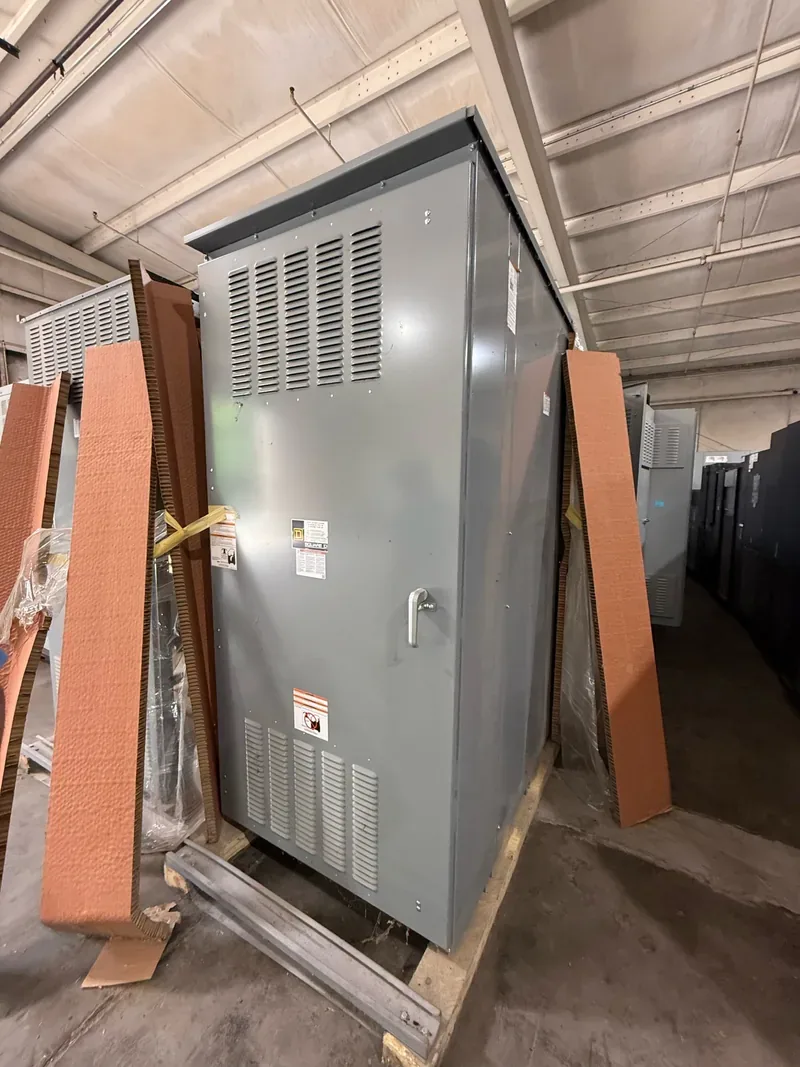
Identifying Air-Magnetic Switchgear In Your Facility
Air-magnetic switchgear, often referred to as air-break switchgear, represents the generation of medium-voltage electrical distribution technology that preceded modern vacuum breakers. These robust systems rely on large arc chutes and magnetic blowout coils to stretch, cool, and extinguish the electrical arc in the open air during a fault or switching operation. Because they do not use a sealed vacuum bottle or sulfur hexafluoride gas, the physical mechanisms required to interrupt medium-voltage currents are substantial and complex. Facility managers and electrical contractors can typically identify air-magnetic equipment by its sheer size and weight, as the breakers are physically much larger and heavier than their modern vacuum counterparts. The engineering behind these units focused on managing massive amounts of energy through physical separation and atmospheric cooling, resulting in a very distinct equipment profile.
The distinctive cubicle depth of air-magnetic switchgear is another primary identifier when evaluating a lineup for removal or replacement. These enclosures were built exceptionally deep to accommodate the massive draw-out breakers and their extensive mechanical linkages. When you rack out an air-magnetic breaker, the prominent arc chutes mounted on top of the contact assemblies are immediately visible and unmistakable. These chutes are constructed from specialized refractory materials designed to withstand intense heat, and their presence is the defining characteristic of air-break technology. The heavy steel construction and complex mechanical operating mechanisms mean that removing these lineups requires specialized rigging and handling expertise, as a single breaker can weigh significantly more than a modern equivalent.
Several legacy product families dominate the installed base of air-magnetic switchgear still operating in industrial plants and utility substations today. The most common lines we encounter and purchase include the Westinghouse DHP and DH series, the General Electric Magne-Blast series, various ITE models, and Allis-Chalmers equipment. While these product lines have been discontinued by their original manufacturers for decades, they remain critical infrastructure in many manufacturing facilities, power plants, and institutional campuses. Recognizing these specific nameplates on your equipment is the first step in determining its value on the secondary market, as certain frame sizes and voltage ratings are highly sought after by facilities needing exact replacements to maintain their current electrical distribution networks.
The Resale Value Of Obsolete Electrical Equipment
The primary driver of value for used air-magnetic switchgear is its obsolescence in the current manufacturing landscape. Because the original manufacturers no longer produce these specific breakers and switchgear sections, plants and utilities that still rely on this infrastructure face a significant challenge when a component fails or when they need to expand an existing lineup. They cannot simply order a new replacement from the factory to match their existing gear. Instead, they must source matched used breakers and cubicles from the secondary market to keep their operations running without undertaking a complete, multi-million-dollar facility upgrade to modern vacuum technology. This ongoing reliance on legacy systems creates a robust secondary market for well-maintained air-break equipment.
This dynamic means that well-maintained air-magnetic switchgear commands real money when sold to a direct buyer who understands the resale market and the specific needs of end-users. While a scrap yard will only look at the copper busbar and steel enclosure to calculate a basic metal weight value, we evaluate the equipment based on its potential to be refurbished and returned to service. A complete, functional Westinghouse DHP or GE Magne-Blast breaker is worth significantly more as a usable electrical component than it is as raw material. By selling your retired switchgear to us, you capture the premium associated with supplying the ongoing demand for these legacy systems, ensuring you receive top dollar for your surplus assets.
We purchase the equipment directly, take title, and pay the seller upfront before our trucks leave your facility. Our process eliminates the uncertainty of dealing with brokers who merely shop your equipment around without committing their own capital or taking responsibility for the removal. Once the transaction is finalized, we send our own specialized crews to de-install and haul the heavy air-magnetic sections away from facilities across our 10-state service area, which includes Texas, Florida, New York, Georgia, South Carolina, North Carolina, Virginia, Ohio, Pennsylvania, and Connecticut. This turnkey approach not only maximizes your financial return but also solves the logistical challenge of removing massive, obsolete electrical infrastructure from your electrical rooms or substations safely and efficiently.
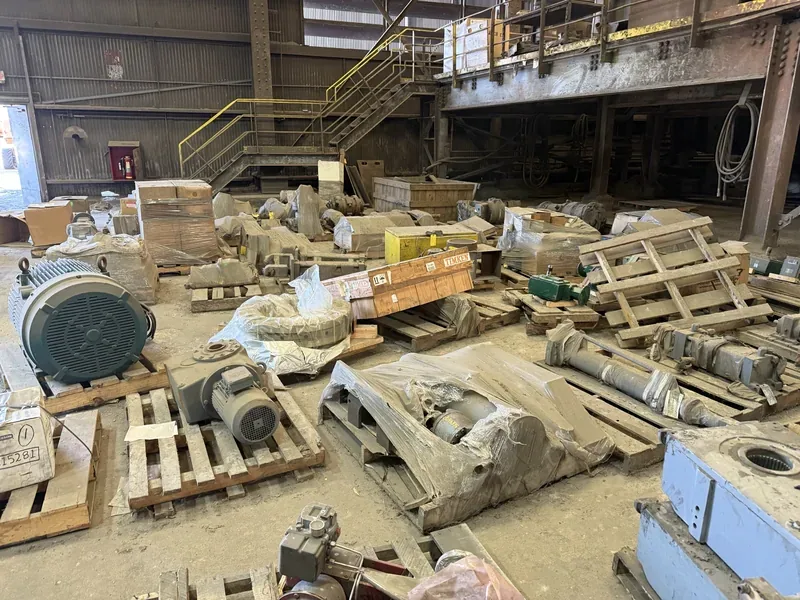
Evaluating Condition And Preparing For Removal
While the demand for legacy air-magnetic switchgear is strong, we must be honest about the limitations and condition requirements of the secondary market. The operational history and physical state of the equipment dictate whether it can be reused or if it must be relegated to metal recovery. Units that have seen heavy fault duty over their lifespan may have severely worn contacts, degraded operating mechanisms, or compromised insulation systems that make them unsafe for future use. Furthermore, any switchgear that has sustained water damage, significant corrosion, or a catastrophic arc flash event is generally unsuitable for refurbishment and will only retain its base metal value, regardless of the manufacturer or model.
Another critical consideration with older air-break technology involves the materials used in its original construction. Certain vintages of air-magnetic breakers, particularly the older models produced before modern environmental regulations, utilized asbestos-containing materials in the construction of their arc chutes or phase barriers. We do not perform asbestos or PCB abatement under any circumstances. If your equipment contains hazardous materials that require specialized environmental handling, those issues must be addressed and mitigated prior to our involvement. Additionally, we do not perform energized work or utility switching; the switchgear must be completely de-energized, isolated, and locked out by the facility owner's electrician or the local utility before our crews arrive to begin the de-installation process.
To accurately assess the value of your air-magnetic switchgear and provide a firm offer, clear and detailed documentation is absolutely essential. The nameplate data is the most critical piece of information, as it provides the exact manufacturer, type, voltage class, continuous current rating, and interrupting capacity of the equipment. A clear photograph of the main nameplate allows us to immediately determine if the equipment matches current market demand and specific customer requests. When you prepare to sell your retired lineup, gathering this information upfront streamlines the evaluation process and ensures we can provide a firm, accurate purchase offer based on the specific characteristics and resale potential of your legacy electrical equipment.
Common Air-Magnetic Switchgear We Purchase
- Westinghouse DHP medium-voltage breakers
- General Electric Magne-Blast switchgear
- ITE HK and HV series air-break equipment
- Allis-Chalmers MA and FA breaker lines
- Federal Pacific Electric (FPE) DST breakers
- Westinghouse DH legacy air-magnetic units
- 5kV and 15kV class air-break switchgear sections
- Draw-out air-magnetic breaker cubicles
- Indoor and outdoor non-walk-in enclosures
Other switchgear we buy
Metal-clad
Compartmentalised drawout gear with grounded barriers and automatic shutters. The most resellable medium-voltage category.
Metal-enclosed
Fixed-mounted interrupter switches and power fuses. Common as utility service entrance and primary distribution gear.
Low-voltage
Drawout air-frame power breakers. The breakers themselves usually carry most of the value in the lineup.
Questions sellers ask
Do you buy air-magnetic switchgear that has been stored outside?
We evaluate outdoor-stored equipment on a case-by-case basis, but exposure to the elements significantly impacts its value. Air-magnetic switchgear is highly susceptible to moisture, which degrades the insulation and rusts the complex mechanical linkages. If the equipment has sustained water damage, it typically loses its resale value as a usable electrical component and is only worth its metal weight.
How do you handle the removal of such heavy equipment?
Air-magnetic switchgear is exceptionally heavy due to its large steel enclosures and massive breaker mechanisms. We send our own experienced crews equipped with the proper rigging gear, heavy-duty jacks, and specialized moving equipment to safely extract the lineup. The equipment must be fully de-energized and isolated by your personnel before we begin the physical de-installation and loading process.
Why is the nameplate photo so important for air-break breakers?
The nameplate provides the exact specifications required to match your obsolete equipment with a facility that needs a replacement. Because these breakers are no longer manufactured, buyers require specific frame sizes, voltage classes, and interrupting ratings to ensure compatibility with their existing infrastructure. A clear photo of the nameplate allows us to verify these details and offer you top dollar based on current market demand.
Ready to move it out?
To receive a purchase offer for your retired air-magnetic switchgear, please send us clear photos of the equipment nameplates showing the manufacturer, type, voltage class, and bus rating. We also need a wide photograph showing the full lineup and a brief description of the electrical room's access constraints, such as narrow doors or loading dock availability. Contact us at (954) 740-1983 or email your photos directly to electricalequipmentbuyers@gmail.com so we can evaluate your equipment and arrange for upfront payment and removal.