
Retiring Switchgear From Houston Petrochemical And Industrial Facilities
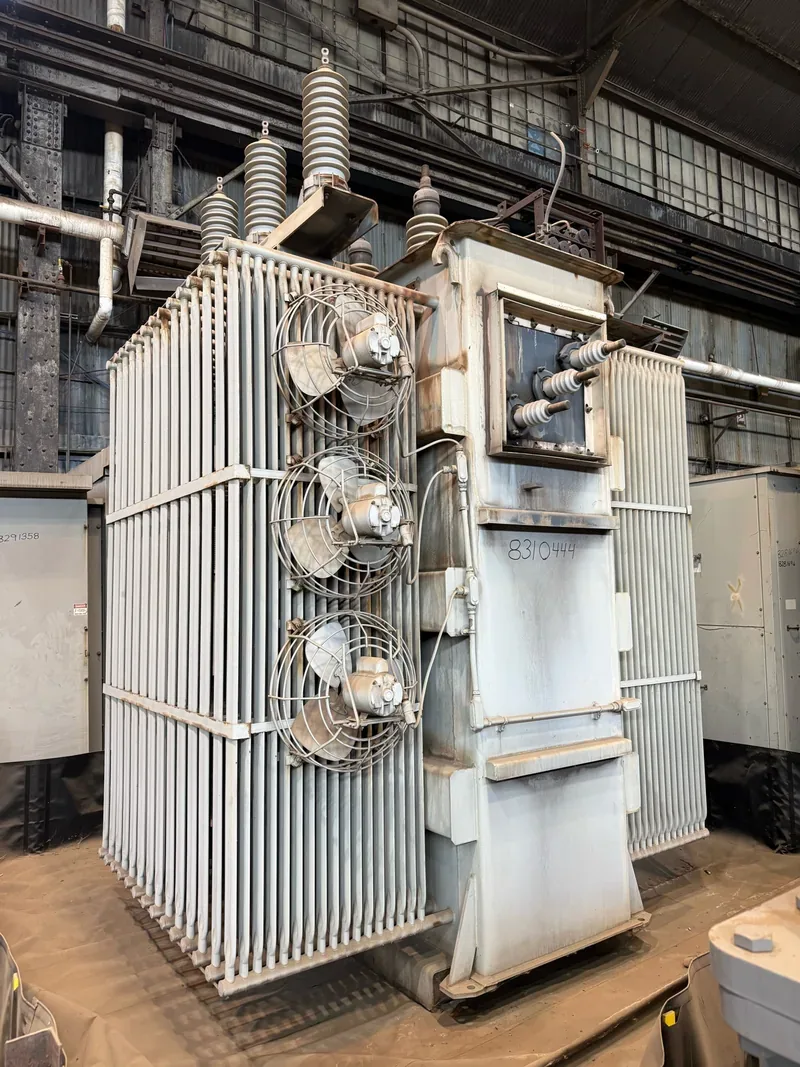
The Houston Ship Channel represents one of the densest concentrations of heavy industrial electrical infrastructure in the world. Refineries and chemical plants in Baytown, Deer Park, Pasadena, La Porte, and Channelview rely on massive power distribution networks to maintain continuous operations. During scheduled plant turnaround seasons, facility engineers frequently execute major revamp cycles that retire aging but functional 5kV and 15kV metal-clad switchgear. Instead of scrapping these massive lineups, plant managers can recover significant value by selling them to a direct buyer who repurposes the equipment for the secondary market. The sheer scale of petrochemical processing requires robust electrical systems, meaning that even retired gear often possesses high-capacity bus ratings from 2000A to 5000A, which remains highly desirable for refurbishment. When these industrial sites upgrade to newer arc-resistant technologies, the legacy equipment they pull out still holds substantial worth.
Beyond the immediate Ship Channel, the broader Houston industrial base generates a steady supply of surplus electrical assets. Offshore and subsea fabrication yards, along with the sprawling Port Houston container and bulk terminals, utilize heavy-duty outdoor NEMA 3R enclosures and unit substations that eventually require upgrading. When these maritime and manufacturing facilities modernize their infrastructure, they need a buyer capable of safely extracting heavy drawout breakers and fixed-mount switchboards from complex industrial footprints. We pay more than scrap value because we evaluate this gear based on its potential for refurbishment and reuse rather than its raw metal weight. The harsh operating environments of these port facilities often mean that internal components like vacuum and air-magnetic interrupters are housed in highly durable enclosures, preserving their functionality long after the primary facility has moved on to newer systems.
Institutional and commercial hubs like the Texas Medical Center and the Energy Corridor also cycle through substantial volumes of electrical equipment. The Texas Medical Center, functioning as a city within a city, demands absolute reliability, leading to the proactive replacement of 480V and 600V indoor switchgear before it reaches the end of its operational lifespan. Similarly, corporate campuses in the Energy Corridor frequently upgrade their electrical rooms during major renovations or changes in building ownership. We purchase these redundant assets, taking title to the equipment and providing a streamlined removal process that keeps your modernization projects on schedule. By extracting these massive lineups directly from the mechanical rooms of high-rise towers and sprawling hospital campuses, we help facility managers offset the capital expenditures associated with their electrical upgrades.
Navigating ERCOT Standards And Gulf Coast Environmental Factors
Operating within the Houston market requires an understanding of the specific environmental and grid conditions that affect electrical equipment. Facilities connected to the ERCOT grid through CenterPoint Energy must adhere to strict isolation protocols before any extraction can begin. We require that all switchgear be completely de-energized, locked out, and isolated by your facility electrician or CenterPoint Energy personnel prior to our arrival. Our crews do not perform energized work or utility switching, ensuring that the separation from the local distribution network is handled safely by the authorized site professionals. Because the Texas power grid operates independently and faces unique demand surges, industrial facilities often maintain redundant backup systems and complex switchgear arrangements that require careful, methodical dismantling once they are taken offline.
The Gulf Coast climate also plays a significant role in the condition and valuation of surplus switchgear in the Houston area. High humidity, salt air near the port, and the constant threat of severe weather mean that outdoor equipment is often subjected to accelerated wear. Furthermore, the history of hurricane and flood exposure along the channel, particularly the lingering impacts of Harvey-era flooding, requires careful assessment of any retired gear. We evaluate the extent of any water intrusion or corrosion on busbars and enclosures to determine the salvageability of the internal components, such as vacuum or SF6 interrupters. Even if the lower sections of a NEMA 1 indoor enclosure sustained water damage during a major storm event, the upper buswork and breaker cubicles may still yield valuable, reusable components that we can purchase.
Despite these environmental challenges, much of the heavy industrial gear deployed in Houston is built to withstand harsh conditions. Arc-resistant enclosures and robust metal-enclosed switchboards from manufacturers like Square D, Eaton, GE, and Siemens often retain significant secondary market value even after years of service in a chemical plant or fabrication yard. By assessing the specific construction type and the operational history of the equipment, we can offer top dollar for viable assets, turning what might be considered industrial waste into a profitable return for your facility. We understand the engineering standards required for Gulf Coast industrial applications, allowing us to accurately appraise the remaining lifecycle value of heavy-duty switchgear that has survived the demanding Texas climate.
The Switchgear Purchasing And Extraction Process In Houston
When your Houston facility is ready to decommission a lineup of switchgear, our purchasing process is designed to be straightforward and financially secure. We start by reviewing the specifications of your equipment, including the voltage class, bus rating, and manufacturer details. Once we agree on a purchase price, we provide payment upfront before our trucks ever leave your site. We are not brokers waiting to find an end user; we are the direct purchaser taking immediate title to the assets, which eliminates the financial uncertainty typically associated with liquidating heavy industrial equipment. This direct purchasing model is especially beneficial for large-scale demolition contractors and facility engineers who need reliable, immediate compensation to keep their overall project budgets balanced and their site clearance schedules on track.
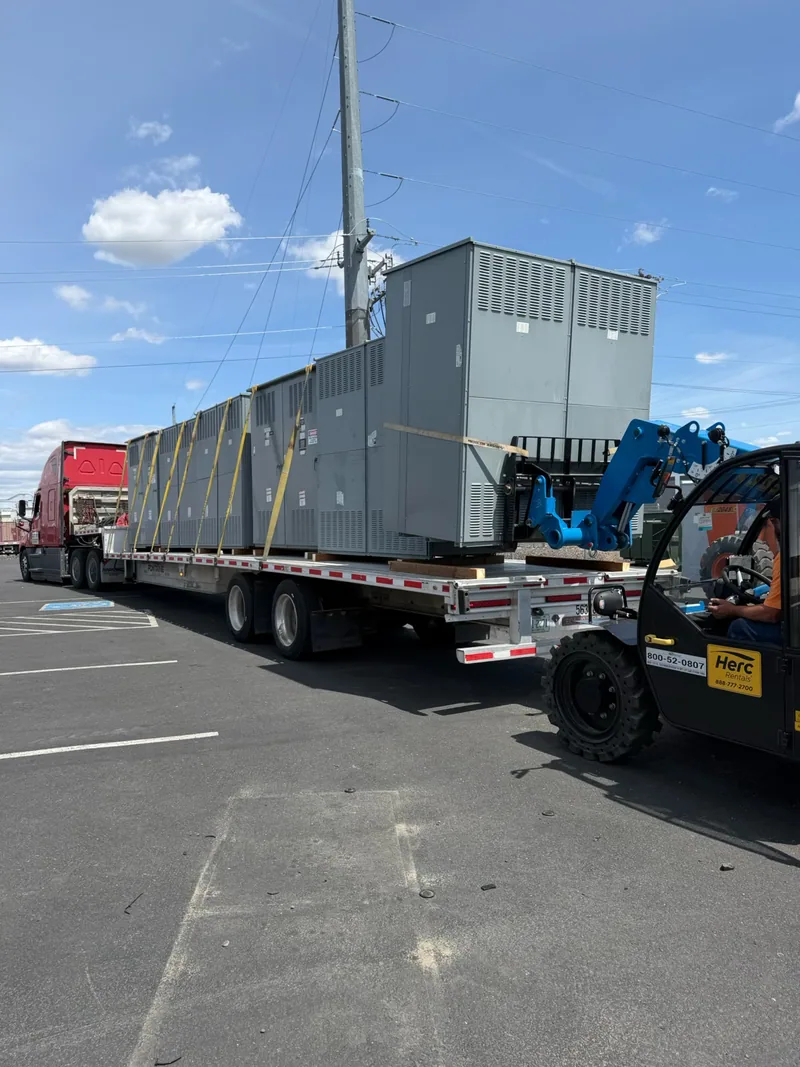
The physical removal of switchgear from complex Houston environments requires precise logistical planning and heavy-duty rigging capabilities. Whether the equipment is located deep within a Pasadena refinery, on an upper floor of an Energy Corridor high-rise, or inside a crowded mechanical room at the Texas Medical Center, our specialized crews handle the entire extraction. We manage the rigging, dismantling, and loading of the heavy switchboards and unit substations. Your only responsibility is ensuring the equipment is fully de-energized and free of hazardous materials, as we do not perform asbestos or PCB abatement. Our teams arrive equipped with the necessary heavy machinery, jacks, and skates to safely maneuver multi-ton lineups through tight industrial corridors and loading docks without damaging your facility.
By managing our own logistics and transportation, we ensure that the removal aligns with your project timeline, particularly during critical plant turnarounds or building renovations. Our trucks navigate the heavy traffic of the I-10 corridor and the intricate access roads of the Ship Channel to reach your facility exactly when scheduled. This turnkey approach allows your electrical contractors and facility engineers to focus on installing the new infrastructure, while we efficiently clear out the retired assets and compensate your company directly. We coordinate our freight schedules to match your operational windows, ensuring that the massive footprint of retired switchgear is removed swiftly, leaving your electrical rooms clear and ready for the next phase of your facility's development.
Houston Facilities And Districts We Serve
- Houston Ship Channel petrochemical complex
- Baytown and Deer Park refineries
- Pasadena and La Porte chemical plants
- Channelview industrial facilities
- CenterPoint Energy service areas
- The Energy Corridor corporate campuses
- Texas Medical Center facilities
- Port Houston container and bulk terminals
- Offshore and subsea fabrication yards
Other Texas metros
Dallas
What switchgear removal looks like in Dallas.
Fort Worth
What switchgear removal looks like in Fort Worth.
Questions sellers ask
Do you buy switchgear that has been exposed to Gulf Coast humidity or flooding?
We evaluate all equipment on a case-by-case basis. While severe Harvey-era flooding or heavy saltwater corrosion can damage internal components, many robust NEMA 3R outdoor enclosures and arc-resistant lineups protect the critical breakers and busbars. We will review photos of the internal compartments to determine the equipment's viability for the secondary market and make an offer based on its reusable parts.
How do you handle switchgear removal during a Ship Channel plant turnaround?
We understand that plant turnarounds operate on strict, unforgiving schedules. Once your site electricians or CenterPoint Energy have completely de-energized and isolated the gear, our crews arrive ready to dismantle and rig the equipment out of your facility. We coordinate closely with your project managers to ensure our extraction process does not interfere with the installation of your new electrical infrastructure.
Will your crews disconnect the switchgear from the CenterPoint Energy grid?
No, we do not perform any energized work or utility switching. The switchgear must be fully de-energized, disconnected, and locked out by your authorized facility personnel or the local utility before our removal crews begin their work. Our expertise is in the safe mechanical dismantling, rigging, and hauling of the heavy equipment once it is electrically dead.
Ready to move it out?
To receive an offer for your surplus electrical equipment, please send us clear photos of the manufacturer nameplate showing the type, voltage class, and bus rating, along with a wide shot of the full lineup. We also need a description or photos of the room's access constraints so we can plan the extraction. Contact us at (954) 740-1983 or email your equipment details to electricalequipmentbuyers@gmail.com to get the process started.