
Purchasing Switchgear From The I-85 Advanced Manufacturing Corridor
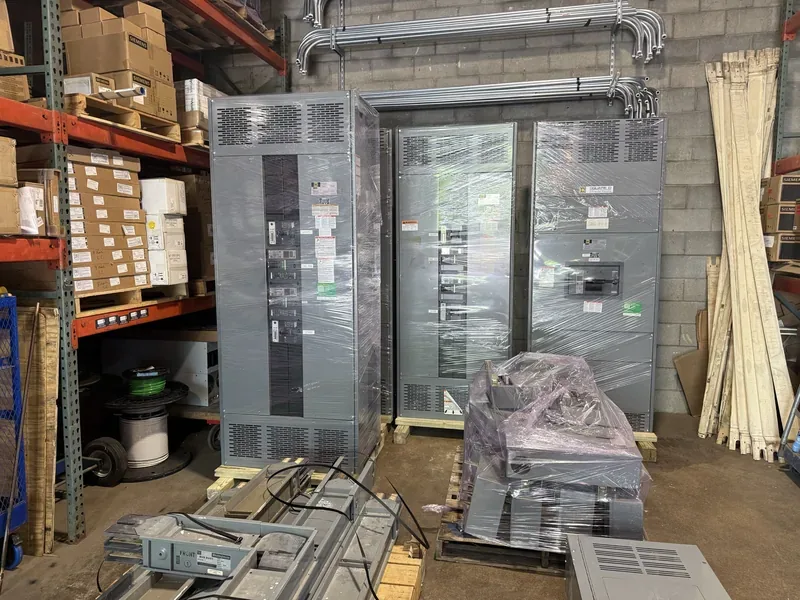
The I-85 upstate manufacturing corridor stands as one of the densest advanced-manufacturing belts in the Southeast, driving a constant evolution of heavy electrical infrastructure. Facilities supporting BMW's Spartanburg plant, Michelin's North American tire operations, and GE's gas turbine manufacturing require massive amounts of reliable power, often relying on 15kV and 5kV metal-clad switchgear lineups to distribute utility feeds throughout their sprawling complexes. When these tier-one suppliers and heavy industrial plants upgrade their production lines, reconfigure their assembly floors, or expand their operational footprints, they frequently retire perfectly functional unit substations and 480V drawout switchgear. We purchase this surplus equipment directly from facility engineers and electrical contractors, providing a financial return that far exceeds standard scrap value because we resell the gear to other industrial users who need reliable components. By recovering these high-capacity electrical assets, we help Greenville's manufacturing sector recoup capital from their infrastructure investments.
The intense electrical demands of Greenville's modern manufacturing base mean that retired equipment from this region is often highly desirable on the secondary market. We actively seek out late-model motor control centers, 3000A to 5000A main tie main switchboards, and arc-resistant switchgear manufactured by industry leaders like Square D, Eaton, Siemens, and ABB. Whether a facility is decommissioning a dedicated 13.8kV primary service due to a plant consolidation or replacing aging vacuum circuit breakers to meet new arc flash compliance standards, we evaluate the reusable value of the entire lineup. By acting as the direct buyer rather than a broker, we eliminate the uncertainty of finding an end-user, taking immediate title to the equipment and compensating the seller upfront. This direct purchasing approach ensures that industrial facility managers in the upstate do not have to wait for a third-party sale to clear their surplus inventory.
Beyond the heavy industrial sector, Greenville's rapid institutional growth generates significant electrical equipment turnover that requires specialized removal capabilities. Expansions at Prisma Health hospital campuses and ongoing developments at Clemson's automotive research campus frequently involve the replacement of critical backup power systems and distribution switchboards to support new medical or research technologies. These institutional upgrades often yield well-maintained NEMA 1 indoor switchgear, low-voltage motor control centers, and automatic transfer switches that retain substantial value. We work closely with demolition contractors and facility managers during these campus renovations to extract the retired electrical assets efficiently, ensuring the project recovers maximum value from its decommissioned infrastructure. Our crews coordinate directly with site supervisors to ensure the removal process aligns with the strict operational constraints of active healthcare and research environments.
Extracting Vintage Equipment From Upstate Mill Conversions
The historical legacy of the upstate textile industry has left an enormous stock of former mill buildings scattered across the Greenville area, creating a unique landscape for electrical equipment recovery. As these massive brick structures are converted into mixed-use developments, redeveloped for modern commercial use, or slated for complete demolition, contractors frequently uncover genuinely vintage distribution equipment. These mid-century mills were often powered by robust, heavily built electrical systems, including early air-magnetic circuit breakers, massive oil-filled transformers, and classic ITE, Allis-Chalmers, or Westinghouse switchgear. We specialize in evaluating and purchasing this older equipment, recognizing that many of these obsolete components are highly sought after by industrial facilities that need matching parts to maintain their existing legacy systems. Rather than sending these historic electrical assets to the scrap yard, we provide redevelopment projects with a lucrative alternative that monetizes their vintage infrastructure.
Removing heavy electrical infrastructure from these historic mill buildings presents unique logistical challenges that our crews are specifically trained to handle. Unlike modern tilt-up warehouses with expansive loading docks and wide access corridors, century-old textile mills often feature narrow freight elevators, reinforced concrete floors with limited load capacities, and tight basement electrical vaults that complicate the extraction process. Our removal teams arrive fully equipped with the specialized rigging gear, heavy-duty skates, and lifting equipment required to safely extract multi-ton switchgear lineups from these constrained environments. We manage the entire physical extraction process, allowing the redevelopment or demolition contractor to focus on their primary scope of work without worrying about how to maneuver a 4000-pound breaker out of a sub-basement. Our experience in navigating the architectural quirks of upstate mill conversions ensures a smooth and efficient removal operation.
Before our crews begin the extraction process in any mill conversion or redevelopment project, the equipment must be completely de-energized and isolated from the grid. We do not perform energized work, utility switching, or asbestos and PCB abatement under any circumstances. The property owner's electrician or Duke Energy Carolinas must verify that the primary feeds are disconnected and the gear is safe for removal. Once the site is cleared for safe access, our team dismantles the vintage switchboards, carefully separating the reusable breakers, buswork, and enclosures from any unsalvageable materials. This meticulous approach ensures that the historical electrical assets are preserved for reuse, providing the redevelopment project with top dollar for equipment that might otherwise be mistakenly destroyed. By handling the heavy lifting and logistical planning, we streamline the decommissioning phase for Greenville contractors.
The Direct Purchase And Removal Process In Greenville
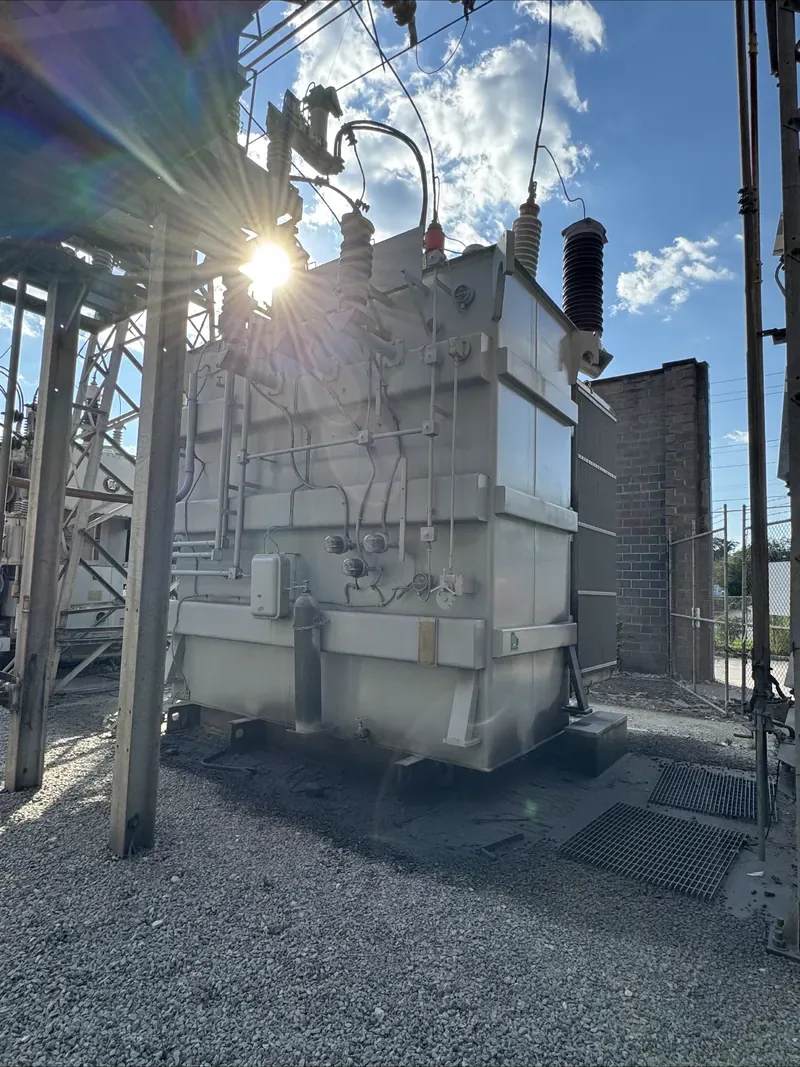
Selling your surplus or retired switchgear in Greenville begins with a straightforward evaluation of your electrical assets, designed to respect the time of busy facility managers and contractors. We ask that you provide clear photographs of the equipment's nameplates, capturing the manufacturer, type, voltage class, and bus rating, which allows us to accurately identify the gear. Additionally, wide-angle photos of the complete lineup and the surrounding electrical room help us assess the extraction logistics and plan the necessary rigging approach. Based on this information, we determine the secondary market value of your 600V switchboards, 5kV metal-enclosed gear, or 15kV outdoor NEMA 3R enclosures. Because we operate across a 10-state footprint, we have the scale and capital to make firm, direct offers for your equipment, paying you upfront before our trucks ever leave your facility.
Once an agreement is reached, we coordinate the removal schedule to align perfectly with your facility's operational requirements or your demolition timeline. Our specialized crews travel directly to your Greenville site, bringing all the necessary tools, rigging equipment, and flatbed transportation required for the heavy industrial job. We handle the complete mechanical teardown of the switchgear, unbolting shipping splits, racking out heavy drawout breakers, and securing the enclosures for safe transit on our trailers. By managing the entire de-installation and freight process internally, we eliminate the need for you to hire third-party riggers or coordinate complex heavy hauling logistics. Our self-contained approach means that you only have to deal with one company from the initial valuation to the final removal of the equipment from your property.
Our direct purchase model is designed to provide a seamless, turnkey solution for industrial plants, hospitals, and contractors operating in the upstate region. We are not brokers shopping your equipment around to third parties in hopes of finding a buyer; we are the final purchaser taking immediate ownership of the assets. This means you receive payment upfront, and the liability of the heavy equipment is transferred to us the moment it is loaded onto our transport vehicles. Whether you are clearing out a decommissioned substation at a tier-one automotive supplier or removing vintage switchgear from a textile mill redevelopment, our process ensures you recover the maximum financial value from your electrical infrastructure with minimal disruption to your site. We pride ourselves on executing clean, professional removals that leave your electrical rooms ready for their next phase of development.
Greenville Facilities And Industries We Serve
- BMW Spartanburg plant supplier network
- Michelin North American tire plants
- GE gas turbine manufacturing facilities
- I-85 upstate advanced manufacturing corridor
- Prisma Health hospital campuses
- Clemson automotive research campus
- Upstate textile mill redevelopment projects
- Duke Energy Carolinas service area industrial sites
Other South Carolina metros
Charleston
What switchgear removal looks like in Charleston.
Columbia
What switchgear removal looks like in Columbia.
Questions sellers ask
Do you buy vintage switchgear from old textile mills in the Greenville area?
Yes, we actively purchase vintage electrical equipment from former mill buildings undergoing conversion or demolition across the upstate. Older switchgear from manufacturers like ITE, Allis-Chalmers, and Westinghouse is often highly valuable on the secondary market for parts and matching lineups. Our crews are experienced in rigging and extracting this heavy, obsolete gear from tight basement vaults and historic structures.
Will your crews disconnect the switchgear from the Duke Energy Carolinas utility feed?
No, we do not perform any energized work or utility switching. Before our removal crews can begin dismantling and rigging the equipment, the switchgear must be completely de-energized, isolated, and locked out by your facility's licensed electrician or the utility provider. Once the system is verified dead, our team handles the mechanical teardown and physical extraction.
How do you determine the value of surplus switchgear from our manufacturing plant?
We evaluate your surplus equipment based on its reusability in the secondary electrical market, which allows us to pay significantly more than standard scrap value. We look at the manufacturer, voltage class, bus rating, and the condition of the circuit breakers and enclosures. By reviewing photos of the nameplates and the overall lineup, we can provide a firm offer and pay you upfront before the equipment is removed.
Ready to move it out?
To sell your surplus or retired electrical equipment, please send us photos of the equipment nameplates showing the manufacturer, type, voltage class, and bus rating, along with a wide shot of the full lineup and the room's access constraints. You can email these details directly to electricalequipmentbuyers@gmail.com or call us at (954) 740-1983 to discuss your Greenville project. We will review your equipment and provide a direct offer to purchase and remove your switchgear.